Understanding Modular Event Structures
Modular event structures are innovative, customizable solutions for creating dynamic spaces for various events, ranging from corporate gatherings to large-scale festivals. These structures are built from prefabricated components that can be quickly assembled, reconfigured, and disassembled, offering unparalleled adaptability for event planners. For more information on large-scale options, consider these common questions about renting event tents for more.
Their inherent flexibility allows for precise tailoring of event environments, ensuring that every square foot serves a purpose, whether it’s for VIP lounges, exhibition halls, or temporary performance venues. This adaptability makes modular event structures an ideal choice for maximizing space and creating memorable experiences.
The efficiency and versatility of these systems streamline event planning and execution, providing a practical approach to temporary infrastructure needs. By leveraging modular event structures, organizers can achieve both functional excellence and aesthetic appeal in their event designs.
What Are Modular Event Structures?
Modular event structures are innovative, prefabricated building systems designed for temporary or semi-permanent use at various events. These structures are composed of standardized, interchangeable components that can be rapidly assembled and disassembled to create custom spaces. Explore the top innovative modular structures for outdoor events to see how they can transform your next gathering.
The core concept behind modular event structures is flexibility. Unlike traditional, fixed venues, modular solutions allow organizers to adapt their event space to specific needs, whether it’s for a small corporate gathering or a large-scale festival. This adaptability makes them ideal for a wide range of applications.
These structures consist of various components that lock together, forming a robust and functional enclosure. Key elements typically include:
- Structural Frames: Often made from aluminum or steel, these provide the primary support and shape.
- Wall Panels: Available in different materials like glass, hard-sided panels, or fabric, offering options for aesthetics and functionality.
- Roof Systems: Designed for weather protection and often incorporating insulation or branding opportunities.
- Flooring: Can range from basic ground covers to elevated, reinforced systems suitable for heavy traffic and equipment.
- Interconnecting Hardware: Specialized fasteners and connectors that ensure quick and secure assembly.
The assembly process for modular event structures is highly efficient, minimizing on-site disruption and construction time. Each component is manufactured off-site to precise specifications, ensuring a perfect fit and streamlined installation. This systematic approach allows for easy expansion, reconfiguration, or reduction of the event space as required. For more information on different types of modular solutions, explore our Invicta Modular options.
Ultimately, modular event structures provide a versatile and efficient way to create bespoke environments, offering significant advantages in terms of design freedom, quick deployment, and overall event management.
Core Principles of Modular Design for Events
Modular event structures are founded on specific design principles that enable their flexibility and efficiency. These principles dictate how individual components are created, how they interact, and how they contribute to the overall functionality of an event space. Understanding these core tenets helps in appreciating the significant advantages that modular solutions offer over traditional construction methods for events, such as the benefits of structures like geodesic domes compared to traditional tents.
The effectiveness of modular event structures stems from their adherence to concepts such as standardization, interchangeability, and scalability. These elements combine to deliver adaptable and effective solutions for a diverse range of event requirements. This approach ensures that event organizers can quickly configure and reconfigure spaces as needed.
Standardization of Components
Standardization is a cornerstone of modular design for events, ensuring that all individual units or modules are manufactured to precise specifications. This consistency allows for seamless integration and assembly, regardless of when or where the components were produced. Standardized modular event structures simplify logistics and reduce the potential for errors during setup, much like understanding different types of event tent fabrics can simplify material selection.
Interchangeability and Adaptability
Interchangeability allows individual modules to be swapped out or rearranged, offering unparalleled flexibility. This means a structure can be adapted for different purposes or scaled up or down with ease, providing a versatile solution for various event needs. For instance, comparing dome vs tent designs can highlight how different modular components offer unique advantages in adaptability and aesthetic appeal.
Interchangeability is key, allowing different modules to be swapped or combined to create unique layouts. This adaptability is crucial for events with evolving needs or those requiring diverse functional zones. For instance, a single event might require distinct areas for registration, seating, and catering, all of which can be achieved by combining different modular units. Explore the advantages of these versatile event structures in our guide to modular structures for outdoor events, which details how they can be configured for various purposes.
Another vital principle is interchangeability, meaning that various modules can be swapped or rearranged without requiring significant modifications. This characteristic grants unparalleled adaptability, allowing event spaces to be reconfigured for different functions, layouts, or capacities. Event planners can easily adjust their modular event structures to meet evolving needs.
Scalability for Any Event Size
Scalability is perhaps one of the most compelling principles behind modular event structures. It refers to the ability to easily expand or reduce the size and complexity of an event space by adding or removing modules. Whether planning an intimate gathering or a large-scale festival, modular designs can grow or shrink to fit the exact spatial demands, much like how you might choose the right glamping tent for your business for more. This inherent scalability makes modular event structures an ideal choice for diverse event types.
Benefits of Choosing Modular Event Structures
Opting for modular event structures presents a multitude of advantages for event organizers, transforming how events are conceptualized and executed. These adaptable solutions offer significant improvements in areas such as financial planning, operational speed, and environmental impact. To explore innovative modular solutions for your next outdoor event, consider these top 5 options.
The inherent flexibility of modular event structures allows for rapid adaptation to various event requirements, whether it’s a small corporate gathering or a large-scale festival. This versatility ensures that event spaces can be perfectly tailored, maximizing functionality and attendee experience. Understanding different event tent types can help you select the best structure for your needs.
Cost-Effectiveness and Efficiency
One of the primary benefits of modular event structures is their cost-effectiveness. By utilizing pre-fabricated components, the need for extensive on-site construction is reduced, which in turn lowers labor costs and material waste. This efficiency also extends to transportation and storage, as components can be compactly managed.
The streamlined assembly process translates into faster setup and dismantle times. This reduction in labor hours and equipment rental periods directly contributes to overall budget savings, making modular solutions an economically sound choice for many events. To learn more about different types of modular structures, explore our modular tents vs traditional tents comparison.
Speed of Deployment and Adaptability
Modular event structures are designed for quick assembly and disassembly, allowing events to be operational in a fraction of the time compared to traditional construction. This speed is invaluable for events with tight schedules or those requiring rapid changes in venue configuration.
The modular nature also provides unparalleled adaptability. Components can be reconfigured, expanded, or reduced to fit changing attendee numbers, weather conditions, or functional needs, ensuring that the event space always meets current demands. Our experience serving the Tampa Bay area has shown that modular event structures offer unparalleled flexibility for corporate functions, much like the adaptability seen in modular wellness units for resorts.
Environmental Sustainability
Environmental responsibility is increasingly important for event planning, and modular event structures offer a sustainable alternative. Their reusable components significantly reduce waste generated from single-use materials often found in conventional event setups.
Furthermore, many modular systems are designed with eco-friendly materials and energy-efficient features, contributing to a lower carbon footprint for events. This commitment to sustainability can also enhance an event’s public image and appeal to environmentally conscious attendees and sponsors. For more information on different types of event tents, you can explore our quick guide to event tent types for more.
Types of Modular Event Structures
Modular event structures offer an incredible range of possibilities for creating dynamic and functional spaces. These versatile constructions are designed to adapt to various event needs, from grand festivals to intimate corporate gatherings. Understanding the different types of modular event structures available helps organizers select the best fit for their specific requirements.
Each type boasts unique characteristics, allowing for tailored solutions that enhance the event experience. The flexibility inherent in modular design ensures that whether you need temporary tents, portable stages, or elaborate exhibition booths, there’s a solution that can be customized to your vision. For those interested in unique outdoor accommodations, exploring options like those offered by Posh Outdoors can provide inspiration for luxury glamping setups.
Temporary Tents and Canopies
Temporary tents and canopies are a popular choice for events requiring quick setup and breakdown. They offer protection from the elements and can be configured in various sizes and styles to suit different occasions. For a comparison of tent types, consider geodesic domes versus traditional tents to understand their distinct advantages.
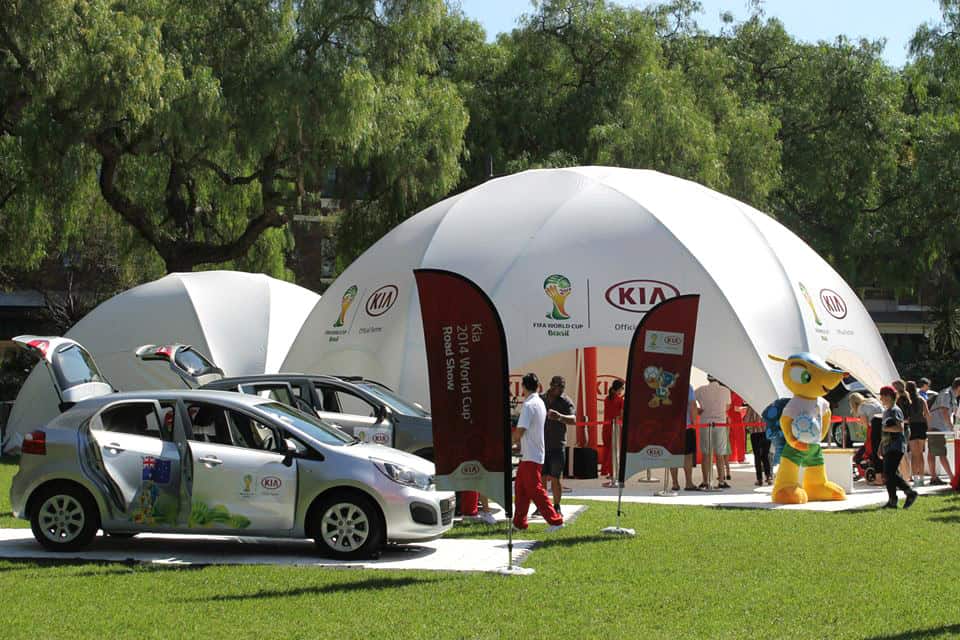
Temporary tents and canopies are among the most common types of modular event structures, providing essential shelter and defining spaces for outdoor events. They come in various shapes and sizes, from small pop-up canopies for vendors to large clearspan tents that can cover thousands of square feet. These structures are ideal for festivals, markets, and outdoor weddings, offering protection from the elements while maintaining an open, airy feel. For more information on different tent types, explore our guide to event tent types.
Their modular nature means they can be easily expanded or reconfigured to accommodate changing guest numbers or event layouts. Often, these tents feature robust frames and durable fabric coverings, designed for quick assembly and disassembly. Many can also be equipped with flooring, lighting, and climate control systems to enhance comfort. For more details on tent options, explore our guide to event tent types, which are often more flexible than traditional structures like those discussed in the context of modular dorms and housing solutions for more.
Portable Stages and Platforms
Portable stages and platforms are critical components for many events, providing a focal point for performances, presentations, or ceremonies. These modular event structures can be assembled quickly in various configurations, adapting to the specific needs of an event, whether it’s a small musical act or a large-scale product launch. They are designed for stability and safety, often featuring non-slip surfaces and adjustable heights.
The versatility of portable stages extends to their ability to integrate with lighting rigs, sound systems, and backdrops, creating a complete performance environment. From simple risers for speakers to multi-level platforms for elaborate productions, modular stages ensure that every performer or presenter has a prominent and secure space. Understanding the differences between event structures, such as a helpful guide to strohboid vs PVC, can help in making the right choice.
Exhibition Booths and Display Systems
Exhibition booths and display systems represent another key category of modular event structures, essential for trade shows, expos, and product showcases. These structures allow businesses to create customized and branded spaces that attract attention and facilitate engagement with attendees. Modular components, such as wall panels, shelving, and interactive displays, can be easily combined and rearranged to fit different booth sizes and design specifications.
The reusability and adaptability of these systems make them a cost-effective choice for companies participating in multiple events. They offer a professional and polished appearance, helping to elevate brand presence and create memorable experiences for visitors. Modular exhibition booths provide an efficient way to set up and break down displays, minimizing logistical complexities for exhibitors. Understanding the different types of event tent fabrics can also be crucial for ensuring durability and aesthetic appeal for your chosen structure. For inspiration on how these concepts apply to other industries, consider exploring modular structures in hospitality for more.
Key Considerations When Choosing Modular Event Structures
When planning an event, selecting the right modular event structures is paramount for success. Several factors demand careful evaluation to ensure your chosen solution aligns perfectly with your event’s objectives and operational requirements.
A thorough site assessment is crucial before committing to any modular event structures. This involves evaluating the ground conditions, accessibility for setup and teardown, and available space. Understanding these environmental factors will directly impact the type and size of structures that can be safely and efficiently deployed. For a deeper dive into available options, explore our guide to innovative modular structures for more.
Regulatory compliance is another critical consideration. Event organizers must adhere to local building codes, safety regulations, and permits required for temporary structures. Engaging with experienced providers of modular event structures can help navigate these complexities, ensuring all legal requirements are met for a smooth event execution.
- Logistical Efficiency: Evaluate the ease of transport, installation, and dismantling of the structures. Timelines and labor costs can be significantly affected by the complexity of the modular system, and understanding whether to buy vs rent can help with modular event structures for more.
Choosing the right modular event structures is vital for a successful and well-organized gathering, impacting everything from guest comfort to regulatory compliance.
Cost Factors for Modular Event Structures
Understanding the financial aspects of modular event structures is crucial for effective event planning. Costs can vary significantly based on several factors, including the rental duration, the size and complexity of the structure, necessary customizations, and logistical expenses such as transportation and installation. A clear breakdown of these components helps in budgeting and decision-making for your event needs, especially when weighing the options of renting versus purchasing these adaptable solutions. For more on this, consider our guide to event canopy buy vs. rent cost analysis for more.
Key Cost Components
When planning for modular event structures, several elements contribute to the overall cost. Understanding the differences between buying vs. renting large event canopies can help you make a more informed decision for an accurate budget.
Rental Versus Purchase Considerations
Deciding whether to rent or purchase modular event structures involves evaluating various financial and operational aspects. Both options have distinct advantages and disadvantages that cater to different event frequencies and long-term goals. For a detailed cost analysis, consider reviewing our guide on event canopy buy vs. rent, which covers the financial implications of these choices.
To ensure you get the best value from your modular event structures, it’s essential to strategically manage your investment. Careful planning and consideration of various options can lead to significant savings without compromising the quality or impact of your event; explore buy vs rent canopies for your next project.
- Plan Ahead: Early planning can help secure better rates and ensure availability, especially for popular modular event structures during peak seasons.
- Clarify Needs: Clearly define your event requirements to avoid unnecessary additions or over-sizing. This precision ensures that every component of your modular structure serves a purpose.
- Compare Quotes: Obtain detailed quotes from multiple providers to compare pricing, services, and the quality of modular event structures.
- Consider Long-Term Use: If you host frequent events, purchasing modular event structures might be more cost-effective in the long run than continuous rentals, as explored in our analysis of buy vs rent canopies.
- Review Contracts Carefully: Understand all terms and conditions, including hidden fees, insurance requirements, and cancellation policies, before finalizing your choice of modular event structures.
Installation and Dismantling Process
The installation and dismantling process for modular event structures is designed for efficiency and minimal disruption, making them an ideal choice for a wide range of events. This streamlined approach begins long before any physical components arrive on site, with detailed planning and coordination.
Careful logistical planning ensures that all necessary components and equipment are present and accounted for, which is crucial for the seamless assembly of modular event structures. This meticulous preparation helps prevent delays and ensures the project adheres to its schedule. For more information on different types of structures, explore our guide to modular vs traditional tents for outdoor events.
Installation Steps for Modular Event Structures
- Site Preparation: Before any physical structure is erected, the event site undergoes thorough preparation. This includes leveling the ground, ensuring proper drainage, and marking out the precise footprint for the modular event structures.
- Foundation Laying: Depending on the structure’s size and duration, a temporary foundation may be installed. This could range from simple ground anchors to more elaborate flooring systems that provide a stable and even base.
- Frame Assembly: The core framework of the modular event structures is assembled next. These pre-engineered components lock together quickly and securely, forming the skeleton of the space.
- Enclosure Installation: Walls, roofing panels, and other enclosure elements are then attached to the frame. These modular pieces often feature interlocking designs, accelerating the build process.
- Interior and Exterior Finishing: Once the main structure is up, interior elements like flooring, lighting, HVAC systems, and custom decor are added. Exterior finishing might include branding, signage, and accessibility features.
- Safety Checks: A final comprehensive inspection is conducted to ensure that all modular event structures meet safety standards and are ready for use, a key consideration when comparing modular tents vs traditional tents.
Dismantling Steps
After the event concludes, the modular structures are carefully dismantled, with each component being cataloged for future use or storage, a process that is significantly faster than traditional construction teardowns. For more information on different types of event structures, you can explore our guide to innovative modular structures for more.
The dismantling of modular event structures is just as systematic as their installation, prioritizing speed and leaving the site in its original condition. This process is critical for temporary setups where site restoration is paramount.
- Interior and Exterior Removal: All temporary interior fixtures, decorations, and exterior branding are carefully removed and packed away.
- Enclosure Disassembly: Walls and roofing panels are systematically detached from the frame. These components are then cleaned, inspected, and prepared for transport or storage.
- Frame Disassembly: The structural framework is taken apart in reverse order of assembly. Components are unfastened, sorted, and packed to prevent damage and facilitate future use.
- Foundation Removal: Any temporary foundation elements are removed, and the site is inspected for debris or environmental impact.
- Site Restoration: The event area is thoroughly cleaned, and any necessary landscaping or repairs are performed to return it to its pre-event state.
Efficiency and Minimal Disruption
Understanding the different types of modular structures can help in choosing the right one for your needs, ensuring both efficient setup and dismantling. For more information on various options, explore our guide to innovative modular structures for outdoor events.
One of the primary advantages of modular event structures is their inherent efficiency. The pre-fabricated nature of the components means less on-site construction time, reducing labor costs and potential disruptions to the surrounding environment. This efficiency also contributes to a faster turnaround between events, making them highly attractive for venues with busy schedules.
The systematic nature of both installation and dismantling processes significantly minimizes noise, waste, and overall site impact. This careful approach helps maintain a positive relationship with local communities and ensures environmental considerations are met when deploying modular event structures.
Maximizing Your Event Space with Modular Solutions
Modular event structures offer unparalleled flexibility, enabling event planners to optimize layouts and space utilization effectively. These adaptable solutions provide creative ways to configure event areas, integrate branding, and enhance the overall attendee experience. By strategically deploying modular event structures, you can transform any venue into a dynamic and highly functional space. Learn more about innovative modular structures for outdoor events to maximize your planning, such as the unique Invicta Modular The Looking Glass for a truly memorable setup.
Optimizing your event layout with modular event structures involves careful planning and execution to ensure every square foot serves a purpose. From adaptable floor plans to integrated branding opportunities, the versatility of these structures is key. Here are key steps to maximize your event space using modular solutions.
Strategic Planning for Optimal Flow
Effective space maximization begins with strategic planning. Before deploying any modular event structures, analyze your event’s purpose, expected attendance, and desired attendee flow. This initial assessment helps determine the ideal size and configuration of structures needed to support various activities. Consider how guests will move between different zones, such as registration, exhibition areas, and refreshment stations, to avoid bottlenecks.
For instance, a large conference might require distinct zones for presentations, workshops, and networking, all seamlessly connected. Modular event structures allow for the creation of these distinct areas without permanent construction, ensuring a logical progression through the event space. Explore the top innovative modular structures for outdoor events to enhance your planning, such as the unique Safari Tent Mod.
- Assess Event Needs: Define the purpose of each area within your event. Will it be for presentations, product displays, or social interaction?
- Map Out Flow: Design pathways that guide attendees naturally through the space, minimizing confusion and maximizing engagement with different zones.
- Determine Structure Types: Select the appropriate modular event structures that align with the functional requirements and aesthetic vision for each section of your event.
Adaptable Floor Plans and Configurations
One of the primary benefits of modular event structures is their ability to create highly adaptable floor plans. Unlike traditional venues with fixed layouts, modular components can be reconfigured to suit different event phases or changing requirements. This flexibility is crucial for multi-day events or those with varying attendee numbers throughout the day.
For example, a large open space can be divided into smaller, intimate zones for breakout sessions using modular walls and partitions, then easily opened up for a general session. This adaptability ensures that the space is always optimized, providing the best experience for attendees and presenters alike. Explore the benefits of innovative modular structures for outdoor events to enhance your venue’s versatility.
- Utilize Flexible Partitions: Employ modular walls and dividers to create temporary rooms or sections within a larger structure, allowing for quick changes in layout.
- Incorporate Multi-Functional Zones: Design areas that can serve multiple purposes throughout the event, such as a lounge area that transforms into a presentation space.
- Plan for Expansion/Reduction: Choose modular event structures that can be easily expanded or reduced in size, accommodating unexpected changes in attendance or programming.
Integrated Branding and Aesthetics
Beyond functionality, modular event structures offer excellent opportunities for integrated branding and aesthetic customization. The surfaces of these structures can be used as canvases for your event’s visual identity, reinforcing your brand message and creating a cohesive look and feel. High-quality graphics, custom finishes, and strategic lighting can elevate the overall atmosphere.
Consider incorporating digital screens, branded signage, and custom-colored fabrics to align the structures with your event theme. This not only enhances the visual appeal but also provides memorable touchpoints for attendees. Effective branding within modular event structures ensures that every element contributes to a unified and impactful experience. For more on fabric choices, explore understanding different types of event tent fabrics for more.
- Apply Custom Graphics: Use large-format printing on walls, panels, and entranceways to prominently display logos, event themes, and sponsor messages.
- Coordinate Color Schemes: Select materials and finishes that match your brand guidelines or event color palette, creating a visually harmonious environment.
- Leverage Lighting and Technology: Integrate LED lighting, projection mapping, and digital displays to create immersive brand experiences within and around your modular event structures.
The Future of Modular Event Structures
The landscape of event planning is continually evolving, and modular event structures are at the forefront of this transformation. Future trends point towards even greater integration of sustainability, advanced technology, and innovative design, pushing the boundaries of what these versatile structures can achieve. These advancements promise to make events more impactful, efficient, and environmentally conscious. For a deeper dive into the possibilities, explore our range of creative structures designed for diverse applications.
Expect to see modular event structures becoming even more sophisticated in their offerings. This includes developments in materials and energy solutions that minimize environmental impact, along with smart systems that enhance attendee experiences. The goal is to create highly functional yet aesthetically pleasing environments that cater to diverse event needs.
Sustainability at the Core
Sustainability is rapidly becoming a non-negotiable aspect of event planning, and modular event structures are perfectly positioned to meet this demand. The future will bring more emphasis on using recycled and renewable materials in construction. Furthermore, the inherent reusability and reduced waste generation of modular designs contribute significantly to a greener event footprint.
Innovations will likely include self-sufficient energy solutions such as integrated solar panels and advanced water recycling systems. These features will enable event organizers to host large-scale events with minimal reliance on external resources, making modular event structures a truly eco-friendly choice, like the spa mod.
Smart Technology Integration
The next generation of modular event structures will seamlessly integrate smart technologies to enhance functionality and guest experience. This goes beyond basic lighting and sound systems to include comprehensive digital solutions. Expect advanced connectivity and interactive elements to become standard features, as detailed in our guide to innovative modular structures for outdoor events, such as those offered by Tubbo.
- Enhanced Connectivity: Robust Wi-Fi and 5G networks will support live streaming, interactive displays, and real-time data collection.
- Interactive Experiences: Augmented reality (AR) and virtual reality (VR) will be incorporated into structure designs, offering immersive experiences for attendees.
- Automated Systems: Smart climate control, automated lighting, and advanced security systems will optimize comfort and safety within modular event structures.
- Data Analytics: Integrated sensors will provide valuable insights into foot traffic, engagement levels, and energy consumption, allowing for data-driven improvements in event design.
Evolving Design Possibilities
Design flexibility has always been a hallmark of modular event structures, and the future promises even more creative and dynamic options. Advances in materials science and fabrication techniques will allow for unprecedented shapes, sizes, and aesthetic finishes. This will enable event designers to create truly unique and memorable environments.
Customization will extend to facades, interior layouts, and branding opportunities, allowing each structure to perfectly reflect an event’s theme and purpose. The ability to easily reconfigure and rebrand modular event structures for different events will further solidify their value proposition, especially when considering innovative Invicta modular structures for outdoor events.
Conclusion: Elevate Your Next Event
Modular event structures offer unparalleled versatility and efficiency, fundamentally changing how events are conceptualized and executed. By providing adaptable, scalable, and customizable solutions, these structures enable organizers to create dynamic and memorable experiences for any occasion.
The ability of modular event structures to transform spaces, coupled with their sustainable advantages and rapid deployment, makes them an invaluable asset in modern event planning. Their inherent flexibility ensures that every event, regardless of its size or complexity, can be perfectly accommodated and enhanced. For a deeper dive into how these structures compare to traditional options, explore our insights on modular tents vs. traditional tents for more.
Considering modular solutions for your next event means embracing innovation and practicality. These structures empower you to push creative boundaries while maintaining operational efficiency and environmental responsibility. They are an investment in both the immediate success and long-term impact of your gatherings.
Ultimately, modular event structures are more than just temporary buildings; they are foundational elements that allow for imaginative design and seamless execution, ensuring every attendee leaves with a lasting positive impression. Embrace the future of event planning by integrating these sophisticated solutions.