Exploring Event Tent Fabrics
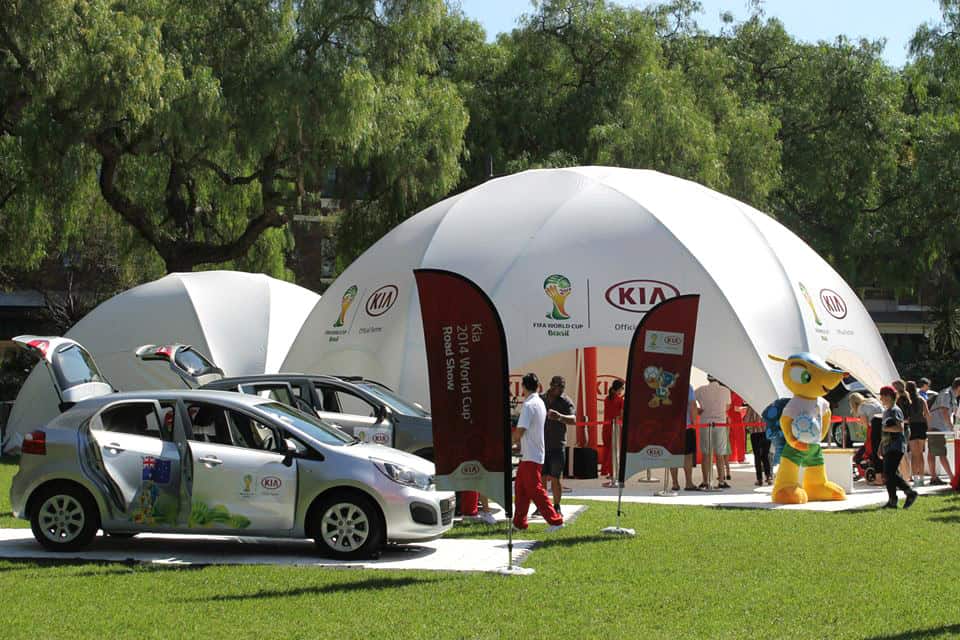
Selecting the right event tent fabrics is paramount for the success and durability of any outdoor gathering. These materials form the protective shell of your event space, influencing everything from guest comfort to the tent’s longevity and aesthetic appeal.
The choice of fabric directly impacts how well a tent withstands various weather conditions, its ease of maintenance, and its overall visual presentation. Understanding the characteristics of different fabrics is crucial for making an informed decision that aligns with the specific requirements of your event.
This guide will delve into the diverse types of event tent fabrics, exploring their unique properties and helping you navigate the options to ensure your event tent performs optimally and looks exceptional. For more details on event structures, consider exploring various event tent types for more.
What Are Event Tent Fabrics?
Event tent fabrics are specialized materials engineered to form the protective coverings of temporary structures used for various gatherings and functions. These fabrics serve as the primary barrier against environmental elements, ensuring the comfort and safety of attendees.
The core function of these materials is to provide shelter while maintaining structural integrity under diverse conditions. They are integral to the design and performance of any event tent, from small garden canopies to large festival marquees. Selecting appropriate event tent fabrics is crucial for the success and longevity of these temporary structures.
Common materials utilized in the construction of event tent fabrics include:
- PVC Vinyl
- Polyester
- Canvas
Each material offers distinct advantages, making them suitable for different event applications and environmental challenges. Understanding these properties helps in choosing the best fabric for specific needs. For more information on different tent types, you can explore our quick guide to event tent types and their common uses.
Key Properties of Event Tent Fabrics
The performance and suitability of different event tent fabrics are defined by several essential characteristics. Understanding these properties is crucial for selecting the right material that will withstand various conditions and provide the desired aesthetic and functional outcomes for any event.
When evaluating event tent fabrics, factors like strength, weather resistance, and longevity are paramount. These properties are crucial for ensuring the durability and safety of your structure, and comparing geodesic domes vs. traditional tents can help you choose the best option.
Types of Event Tent Fabrics: A Comparison
Choosing the right event tent fabrics is crucial for the success and safety of any outdoor gathering. Various materials offer distinct advantages and disadvantages, influencing everything from weather resistance to aesthetic appeal and overall cost. Understanding these differences helps in making an informed decision tailored to specific event needs.
The primary types of event tent fabrics include PVC Vinyl, Polyester, and Canvas, each possessing unique characteristics that make them suitable for different applications. This comparison aims to highlight their key features, helping you navigate the options available.
PVC Vinyl is widely recognized for its exceptional strength and weatherproofing capabilities, making it a top choice for long-term or heavy-duty event tent fabrics. Its robust nature ensures protection against harsh elements like strong winds and heavy rain, while also offering excellent UV resistance to prevent degradation over time.
Polyester, on the other hand, provides a versatile and often more aesthetically pleasing option. It can be easily dyed, printed, and treated for various properties, including water resistance and UV protection. Its lighter weight compared to PVC Vinyl can also simplify transportation and installation processes.
Canvas offers a traditional and natural look, appealing to events seeking a classic or rustic ambiance. While inherently breathable, canvas requires specific treatments for waterproofing and fire retardancy to ensure it meets safety standards and performs well in varied weather conditions.
Choosing the Right Event Tent Fabric
For events requiring a more modern and adaptable solution, consider exploring the benefits of modular tent options, which offer flexibility in design and setup.
For events where durability and protection are paramount, PVC vinyl is an excellent choice, offering superior weather resistance. If you’re looking for a more adaptable and visually customizable fabric, polyester provides a great balance of features. For a natural aesthetic, canvas is a classic option, though it requires additional treatments for optimal performance. When considering the best fabric for your needs, exploring different types of event structures can also provide valuable insights into overall design and functionality.
When selecting the ideal fabric for your event tent, consider the specific needs of your event, from durability and weather resistance to aesthetic appeal and ease of setup. For a comprehensive overview of different tent types and their suitability for various occasions, explore our comparison of geodesic domes versus traditional tents for more.
When selecting the ideal fabric for your event tent, consider the specific needs of your event, such as durability, aesthetics, and environmental factors. For instance, if you’re looking for a more modern and innovative solution, exploring options like modular tents versus traditional tents can offer advantages in terms of setup and versatility.
Selecting the most suitable event tent fabrics involves careful consideration of several key factors. The ideal choice depends heavily on the specific requirements of your event, the expected environmental conditions, and your allocated budget. For a comprehensive overview of tent options, explore our guide to event tent types to make an informed decision.
To make an informed decision, it’s essential to assess how different fabric types align with your needs. Each material offers a unique combination of durability, aesthetic appeal, and protective qualities. Consider exploring innovative modular structures for outdoor events to broaden your options.
Event Type and Aesthetic Considerations
The nature of your event plays a significant role in determining the appropriate event tent fabrics. A formal wedding might require an elegant fabric with a smooth finish, while a casual outdoor festival might prioritize ruggedness and weather resistance. For businesses looking to offer unique accommodations, understanding how to choose the right glamping tent is also crucial.
- Formal Events: Look for fabrics that offer a sophisticated appearance, often with options for drapes and liners.
- Casual Gatherings: Durability and ease of cleaning are often more important for these settings.
- Themed Events: Consider fabrics that can be easily customized or dyed to match specific color schemes or branding.
Environmental Factors and Durability
Understanding the environment where your tent will be used is crucial for selecting event tent fabrics that can withstand the elements. Climate, wind, and precipitation levels directly impact the required durability and weatherproofing of the material. For more information on choosing the right tent, explore our guide to different event tent types for more.
- Weather Resistance: For rainy or humid climates, waterproof fabrics like PVC vinyl are essential.
- UV Protection: In sunny areas, fabrics with strong UV resistance will prevent fading and degradation over time.
- Wind Load: Thicker, stronger fabrics are necessary for areas prone to high winds to ensure structural integrity.
Budget and Longevity
Your budget will influence the available options for event tent fabrics, but it’s important to balance initial cost with long-term value. Investing in higher quality fabrics can lead to greater longevity and fewer replacement costs over time.
Consider the lifespan of the fabric relative to its cost. While some materials may have a higher upfront price, their superior durability and reduced maintenance requirements can make them more economical in the long run. Always evaluate the cost per use, and explore different event tent types, such as comparing dome vs tent designs, to find the best fit for your needs.
Factors Affecting Event Tent Fabric Performance
The performance of event tent fabrics is influenced by a combination of inherent material characteristics and external environmental conditions. Understanding these factors is crucial for ensuring the longevity and effectiveness of any tent structure, much like understanding the considerations for modular spa units is important for resort design. This section explores how different elements impact the durability and functionality of event tent fabrics.
Environmental Challenges for Tent Fabrics
Event tent fabrics are constantly exposed to various environmental elements that can significantly affect their lifespan and appearance. Protection against these elements is a primary consideration in fabric selection. For instance, understanding the different types of event tents can help in choosing the most suitable fabric for specific environmental conditions, much like how one might consider the needs of a luxury glamping business.
- UV Radiation: Prolonged exposure to ultraviolet (UV) rays from the sun can degrade event tent fabrics, leading to fading, brittleness, and a reduction in tensile strength. UV inhibitors are often incorporated during manufacturing to mitigate these effects.
- Moisture and Humidity: Rain, dew, and high humidity can promote mildew and mold growth on certain event tent fabrics, especially natural fibers. Waterproof coatings and mildew-resistant treatments are essential for maintaining fabric integrity and appearance.
- Wind Exposure: Strong winds exert considerable stress on event tent fabrics, potentially causing tears or structural damage. Fabrics with high tear strength and robust construction are vital for areas prone to high winds.
- Temperature Fluctuations: Extreme heat or cold can impact fabric flexibility and stability. Some event tent fabrics may become brittle in very low temperatures or stretch excessively in high heat, affecting tension and fit.
Material Composition and Construction
The fundamental composition and construction methods of event tent fabrics play a critical role in their performance. Different materials offer distinct advantages and disadvantages, and understanding these differences can help you choose the right structure for your needs; explore our guide to event tent types for more information.
- Fiber Type: Whether the fabric is made from PVC, polyester, or canvas, the chosen fiber dictates its core properties like strength, weight, and inherent resistance to environmental factors. Each fiber type contributes uniquely to the overall performance of event tent fabrics.
- Weave Pattern: The way the fibers are woven together affects the fabric’s tear resistance, breathability, and overall stability. Tighter weaves generally offer better wind resistance and waterproofing, while looser weaves can improve breathability.
- Coating and Laminations: Many event tent fabrics feature specialized coatings, such as PVC or acrylic, or are laminated with protective layers. These treatments enhance waterproofing, UV resistance, flame retardancy, and ease of cleaning, directly impacting performance.
- Fabric Weight and Thickness: Heavier, thicker fabrics often provide greater durability and insulation, but they can also be more challenging to handle and transport. Lighter fabrics offer portability but may sacrifice some resilience.
Maintenance and Care Practices
Proper maintenance and care are indispensable for maximizing the performance and extending the lifespan of event tent fabrics. Neglecting these practices can lead to premature degradation. Understanding the different types of event tent fabrics can help you choose the best option for your needs; explore our guide to event tent types for more information.
- Regular Cleaning: Accumulation of dirt, debris, and environmental pollutants can degrade fabric coatings and foster mildew growth. Regular, gentle cleaning helps preserve the fabric’s protective properties and aesthetic appeal.
- Proper Drying: Storing event tent fabrics while damp is a common cause of mildew and material damage. Ensuring fabrics are completely dry before folding and storing prevents microbial growth and extends their life.
- Repair and Patching: Promptly addressing small tears or punctures prevents them from escalating into larger, irreparable damage. Using appropriate repair kits designed for specific event tent fabrics maintains structural integrity.
- Correct Storage: Storing fabrics in a cool, dry, and well-ventilated area, away from direct sunlight and harsh chemicals, is essential. This protects them from environmental degradation even when not in use.
Safety and Regulatory Compliance
Beyond durability and aesthetics, the performance of event tent fabrics also involves meeting critical safety standards and regulatory requirements. These aspects are non-negotiable for public events, and understanding the different types of structures available can help ensure compliance, such as with our guide to various event tent types.
- Flame Retardancy: Many jurisdictions require event tent fabrics to meet specific flame retardancy standards to minimize fire risks. Fabrics are often treated to be fire-resistant, which is a crucial performance characteristic for public safety.
- UV Protection: Fabrics with certified UV protection not only safeguard the material itself but also provide a safer environment for event attendees by reducing sun exposure.
- Waterproof and Wind Resistance Ratings: Event tent fabrics are often rated for their ability to withstand water penetration and wind loads. Adhering to these ratings ensures the tent remains stable and dry during adverse weather conditions, providing reliable shelter.
- Health and Environmental Standards: Some event tent fabrics are manufactured to meet specific health and environmental standards, ensuring they are free from harmful chemicals and are safe for both users and the environment.
Benefits of High-Quality Event Tent Fabrics
Investing in superior event tent fabrics offers numerous advantages that extend beyond mere shelter. These high-quality materials are crucial for enhancing the overall success and longevity of any event, providing significant benefits for both organizers and attendees. The right fabric choice ensures durability, improves guest comfort, and ultimately contributes to a positive brand image.
Choosing premium event tent fabrics means you are selecting materials designed to withstand various environmental challenges, from harsh weather conditions to extensive use. This investment translates into a more reliable and aesthetically pleasing event space. For a deeper understanding of your options, explore our comprehensive guide to event tent types.
- Longevity and Durability. High-quality event tent fabrics are engineered for extended use, resisting wear and tear, UV degradation, and mildew far better than standard options. This durability translates into a longer lifespan for your tent, reducing the need for frequent replacements.
- Enhanced Guest Comfort and Safety. Superior fabrics often come with advanced features like improved insulation, better ventilation, and flame retardancy. These attributes ensure guests remain comfortable regardless of external conditions and provide a safer environment.
- Improved Brand Image and Aesthetics. The appearance of your event tent directly reflects on your brand. Premium event tent fabrics offer a cleaner, more professional look, available in a wider range of colors and finishes that can be customized to align with your brand identity.
- Cost-Effectiveness Over Time. While the initial investment might be higher, the longevity and reduced maintenance requirements of high-quality event tent fabrics lead to significant cost savings in the long run. Fewer repairs and replacements mean a better return on investment, and you can explore the benefits of buying versus renting in our guide to event canopy cost analysis for more.
- Superior Weather Resistance. Designed to perform under diverse weather conditions, top-tier event tent fabrics offer exceptional protection against rain, wind, and harsh sunlight, ensuring your event proceeds smoothly despite unpredictable forecasts.
Having provided event solutions in the coastal Florida region for over a decade, our team has learned that superior event tent fabrics are crucial for withstanding salt spray and intense sun. This real-world experience underscores the importance of choosing materials that can endure specific environmental stressors, ensuring the tent remains functional and presentable for years to come. These considerations highlight why durable event tent fabrics are essential for successful events. For more information on different tent options, consider our quick guide to event tent types.
Maintaining Your Event Tent Fabrics
Proper care and maintenance are crucial for extending the lifespan and ensuring the optimal performance of your event tent fabrics. Neglecting these steps can lead to premature wear, reduced aesthetic appeal, and compromised structural integrity. By following a consistent maintenance routine, you can protect your investment and ensure your event tents remain in excellent condition for years to come. Understanding how modular structures can enhance hospitality experiences might also be beneficial for event planning.
Understanding the specific needs of different event tent fabrics, such as PVC vinyl or polyester, is key to implementing effective care practices. Each material may have unique cleaning requirements and storage considerations that impact its durability.
Regular Cleaning: Clean your event tent fabrics promptly after each use. Remove any loose debris, dirt, or stains using a soft brush or cloth. For deeper cleaning, use a mild soap solution and lukewarm water. Avoid harsh chemicals, abrasive cleaners, or high-pressure washers, as these can damage the fabric’s protective coatings and fibers. Ensure the fabric is thoroughly rinsed to remove all soap residue.
Thorough Drying: Before storing, it is absolutely essential that event tent fabrics are completely dry. Even slight dampness can lead to mold, mildew, and unpleasant odors, which can severely degrade the fabric over time. If possible, allow the fabric to air dry completely in a shaded area to prevent UV damage.
Proper Storage: Store cleaned and dried event tent fabrics in a cool, dry, and well-ventilated area. Fold or roll the fabric neatly to prevent creases and wrinkles, which can weaken the material. Keep fabrics away from direct sunlight, extreme temperatures, and pests. Using breathable storage bags can help protect against dust and environmental factors.
Routine Inspection: Conduct regular inspections of your event tent fabrics for any signs of wear, tear, or damage. Check seams, zippers, and attachment points for fraying or weakening. Addressing small issues promptly can prevent them from escalating into larger, more costly repairs. Look for discoloration or thinning areas that might indicate UV degradation.
Timely Repairs: If you identify any minor damage during inspection, such as small tears or loose stitching, repair them as soon as possible. Professional repair services are recommended for significant damage to ensure the integrity and safety of the tent. Patching kits designed for specific event tent fabrics can also be used for quick fixes.
Protective Treatments: Consider applying protective treatments, such as UV inhibitors or water repellents, periodically to enhance the durability of your event tent fabrics. These treatments can help maintain the fabric’s original properties and extend its resistance to environmental elements.
Conclusion: Quality Event Tent Fabrics
In summary, selecting the appropriate event tent fabrics is paramount for the success and longevity of any event structure. We’ve explored various types, from durable PVC vinyl to versatile polyester and classic canvas, each offering distinct advantages.
Understanding the properties and applications of these materials empowers you to make informed decisions that align with specific event requirements, weather conditions, and aesthetic goals. The right choice in event tent fabrics ensures not only visual appeal but also the safety and comfort of attendees.
Investing in high-quality event tent fabrics provides significant returns through extended product lifespan, reduced maintenance, and superior performance against environmental elements. Always consider factors like UV resistance, flame retardancy, and tear strength when evaluating options. For a comprehensive overview of different tent styles, consult our guide to event tent types, and consider whether buying or renting is the best strategy for your needs, as detailed in our article on canopy investment ROI for more.
Ultimately, making informed choices about event tent fabrics contributes directly to successful events and positive guest experiences. Prioritizing quality materials safeguards your investment and enhances your event’s overall impression.