Appeal of the Glamping Tent
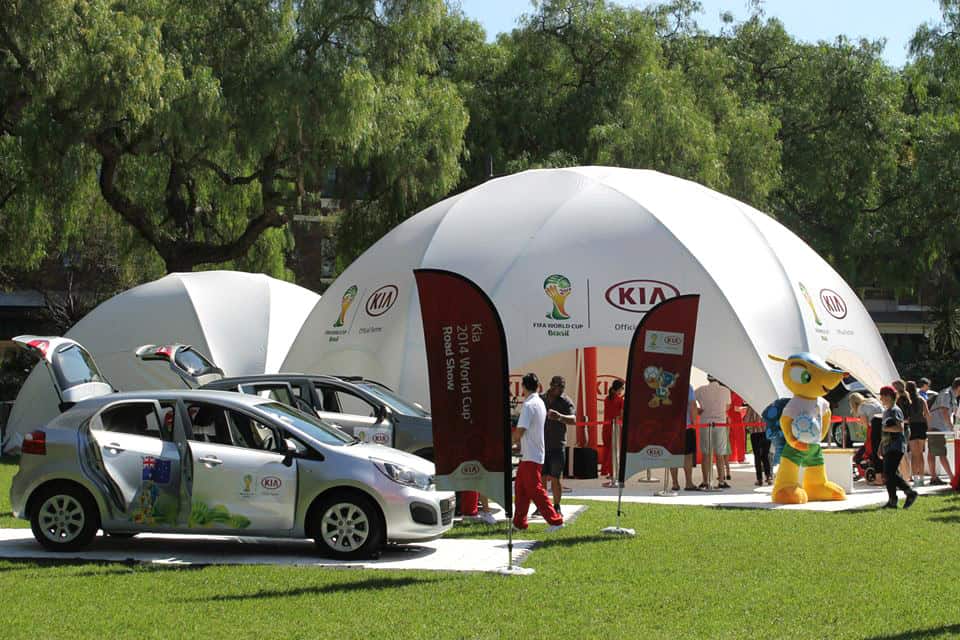
The growing appeal of a glamping tent lies in its unique blend of outdoor adventure and luxurious comfort, making it a prime choice for outdoor hospitality businesses. This innovative lodging option offers guests an immersive nature experience without sacrificing modern amenities, catering to a broad demographic seeking more than traditional camping.
Businesses investing in glamping tents can capitalize on this demand by providing distinctive accommodations that stand out in the tourism market. Our North America buyer’s guide offers valuable insights for those looking to enter or expand in this lucrative industry. Offering such unique stays often commands higher nightly rates and fosters strong guest loyalty.
Choosing the right glamping tent is essential for creating memorable guest experiences and ensuring a solid return on investment. From rugged safari tents to elegant bell tents, the variety available allows businesses to tailor their offerings to specific themes and environments, even in areas like Downtown Denver, CO for more.
Selecting Your Ideal Glamping Tent
Choosing the right glamping tent is a critical decision that directly impacts your business’s success and guest satisfaction. A well-chosen glamping tent provides comfort and unique experiences, aligning with your brand and operational needs.
Several factors should guide your selection process, ensuring the glamping tent you pick not only looks appealing but also performs reliably in its environment. Consider the specific climate, expected guest traffic, and the desired aesthetic for your site. For a comprehensive overview of different tent options, explore our guide to event tent types for more.
- Climate and Weather Resistance: Evaluate the local weather conditions. Do you need a glamping tent that can withstand heavy snow, strong winds, intense heat, or frequent rain? Materials like heavy-duty canvas or PVC are crucial for durability.
- Guest Capacity and Comfort: Determine the number of guests each glamping tent needs to accommodate. Consider internal height, floor space, and the potential for adding amenities like proper beds, seating areas, and heating/cooling systems to ensure optimal comfort.
- Durability and Longevity: An investment in a glamping tent should last for many seasons. Look for robust framing, quality stitching, and UV-resistant fabrics that prevent degradation over time. Our guide to Canvas Glamping Tents: Luxury vs. Durability delves into material choices that affect lifespan.
- Ease of Maintenance: Opt for a glamping tent that is relatively easy to clean and maintain. This reduces operational costs and downtime between guests. Materials that resist mold and mildew are highly advantageous.
- Aesthetics and Design: The visual appeal of your glamping tent plays a significant role in attracting guests. Whether you prefer a rustic, modern, or luxurious look, ensure the design complements your location and overall brand identity for glamping.
- Site Preparation and Installation: Consider the effort and resources required for site preparation and installation. Some glamping tents are more complex to set up than others, impacting initial investment and ongoing labor. For insights into various options, explore our North America buyer’s guide for more.
- Compliance and Regulations: Research local zoning laws and building codes for structures like a glamping tent. This is especially important for businesses operating in specific areas, such as when considering glamping tents in Downtown Denver Co.
Diverse Glamping Tent Structures
Choosing the right glamping tent involves understanding the variety of structures available, from traditional bell tents to more expansive safari tents. If you’re considering renting for an event, understanding the specifics of large-scale structures is key, and our article on common questions about renting large-scale event tents can provide valuable insights.
Glamping Tent Fabric Choices
The choice of fabric for your glamping tent is a critical decision that impacts its longevity, guest comfort, and overall aesthetic appeal. Different materials offer unique advantages and disadvantages in terms of durability, weather resistance, insulation, and maintenance. Selecting the right material ensures your investment provides a premium experience for guests while standing up to environmental challenges.
Understanding the properties of various fabrics will help you make an informed decision when choosing a glamping tent fabric for more. Factors such as climate, expected usage, and desired luxury level all play a role. For instance, some fabrics excel in extreme temperatures, while others are better suited for moderate climates.
- Canvas (Cotton or Poly-Cotton). Known for its breathability, durability, and natural aesthetic, canvas is a popular choice for a glamping tent. It offers good insulation, keeping interiors cooler in summer and warmer in winter. However, it can be heavy, prone to mildew if not properly maintained, and requires waterproofing treatments. For a deeper dive, explore our guide on canvas glamping tents.
- PVC (Polyvinyl Chloride). This synthetic material is highly waterproof, UV-resistant, and very easy to clean, making it exceptionally durable. PVC is often used for roofs or entire structures in heavy-duty glamping tents designed for harsh weather. Its main drawbacks are less breathability compared to canvas and a more synthetic appearance.
- Oxford Fabric (Polyester or Nylon). Lighter than canvas, Oxford fabric is often coated with PU (polyurethane) or silicone for waterproofing. It’s strong, tear-resistant, and relatively affordable, making it a common choice for more portable or budget-friendly glamping tent options. However, it may not offer the same level of insulation or natural feel as canvas.
- Ripstop Nylon/Polyester. Characterized by a special weaving technique that makes it highly resistant to tearing, even if a small puncture occurs. This material is lightweight, strong, and often used for the outer shells of tents where weight and packability are concerns. It typically requires coatings for full waterproofing and UV protection.
Glamping Tent Durability & Care
Ensuring the longevity of your glamping tent is paramount for a successful glamping business. A durable glamping tent provides a consistent, high-quality experience for guests and minimizes costly replacements or repairs. Durability starts with the initial material selection and extends through proper installation and ongoing maintenance practices.
Investing in quality materials and understanding their properties is the first step toward maximizing the lifespan of your glamping tent. For instance, understanding the difference between canvas glamping tents and other structures, such as comparing geodesic domes vs traditional tents, can guide your choice in terms of luxury versus durability. You can also learn about the various types of event tent fabrics to make a more informed decision.
Factors Influencing Glamping Tent Durability
Several elements contribute to how long a glamping tent will last. Considering these factors during the purchasing process can help you make an informed decision for your business. Understanding different types of event tent fabrics is crucial for durability.
- Material Quality: The type and grade of fabric (e.g., canvas, PVC, poly-cotton) and frame materials (e.g., galvanized steel, aluminum) directly impact resistance to weather, UV radiation, and general wear and tear.
- Workmanship: High-quality stitching, reinforced stress points, and precision in manufacturing ensure structural integrity and prevent premature failure.
- Design & Engineering: A well-engineered design considers wind loads, snow loads, and water runoff, making the glamping tent more resilient in various environmental conditions.
- Environmental Exposure: Tents in harsh climates with extreme temperatures, high winds, or heavy precipitation will naturally experience more stress than those in milder environments.
Essential Glamping Tent Maintenance Practices
Regular and proactive maintenance is crucial for extending the life of your glamping tent and maintaining its aesthetic appeal. By following a structured maintenance plan, you can ensure guest satisfaction and preserve your investment in the glamping experience. Understanding the various types of event tent fabrics can also help in choosing the most durable option for your needs.
- Regular Cleaning: Keep the tent fabric free from dirt, mold, mildew, and tree sap. Use mild, tent-safe cleaning solutions and soft brushes to avoid damaging the material.
- Prompt Repairs: Address small tears, punctures, or loose seams immediately to prevent them from escalating into larger, more expensive problems. Carry a repair kit designed for your tent fabric.
- Structural Checks: Periodically inspect the frame, poles, guy ropes, and stakes for any signs of corrosion, bending, or weakening. Ensure all connections are secure.
- Weather Preparedness: In anticipation of severe weather, take necessary precautions such as tightening guy lines, adding extra anchoring, or temporarily taking down detachable components.
- Proper Storage (if applicable): If your glamping tent is seasonal or needs to be stored, ensure it is completely clean and dry before packing away to prevent mold and mildew growth.
- Ventilation: Maintain good airflow inside the tent to reduce condensation, which can lead to mold and material degradation.
By prioritizing both durability in selection and diligent care, your glamping tent will provide years of reliable service and memorable guest experiences. Businesses in areas like Downtown Denver, CO, for example, must consider local weather patterns when planning their maintenance schedule. When planning outdoor events, consider the benefits of innovative modular structures.
Budgeting for Your Glamping Tent
Understanding the financial commitment involved is key when planning to purchase a glamping tent for more. The cost can vary significantly based on factors like size, materials, design, and included features. For businesses, this isn’t just an expense; it’s an investment in creating unique guest experiences and generating revenue.
The value proposition of a quality glamping tent extends beyond its initial price tag, encompassing durability, guest appeal, and potential for higher nightly rates. Considering the long-term return on investment is crucial for any business entering the glamping market. Explore our insights into Glamping for more information on the industry.
Here’s a comparison of typical cost ranges and value propositions for different types of glamping tents:
| Glamping Tent Type | Typical Cost Range (USD) | Value Proposition for Businesses |
|---|---|---|
| Bell Tent | $500 – $3,000 | Affordable entry point, aesthetic appeal, suitable for events and temporary setups. |
| Safari Tent | $3,000 – $15,000+ | Spacious, durable, often includes separate rooms, high guest comfort, longer lifespan. |
| Yurt | $5,000 – $30,000+ | Excellent insulation, robust structure, unique cultural appeal, suitable for year-round use. |
| Geodesic Dome | $8,000 – $50,000+ | Modern aesthetics, panoramic views, strong weather resistance, luxury experience. |
| Canvas Cabin | $10,000 – $60,000+ | Highly durable, often semi-permanent, provides a solid structure, luxurious and comfortable. |
Beyond the initial purchase, consider costs for site preparation, decking, utilities, furnishings, and ongoing maintenance. These additional expenses contribute to the total investment in your glamping tent setup. For a deeper dive into materials, consider exploring Canvas Glamping Tents: Luxury vs. Durability.
Enhancing the Glamping Tent Experience
When considering different tent structures, it’s helpful to understand the pros and cons of each. For instance, comparing dome vs. tent design can highlight unique advantages for various applications.
To truly differentiate your offering and provide an unforgettable stay, focus on thoughtful accessories and furnishings within your glamping tent. The right additions transform a basic structure into a luxurious retreat, significantly impacting guest satisfaction and perceived value. By enhancing the interior, you elevate the entire glamping experience for your visitors.
Consider these elements to create a comfortable and inviting atmosphere inside each glamping tent.
- Comfortable Bedding and Linens: A high-quality mattress, plush pillows, and soft linens are paramount. Guests expect a restful night’s sleep that rivals traditional hotel accommodations.
- Stylish Furnishings: Include practical and aesthetically pleasing furniture such as bedside tables, chairs, and perhaps a small couch or ottoman. These pieces should complement the overall theme and design of the glamping tent.
- Effective Lighting Solutions: Beyond basic utility, lighting sets the mood. Incorporate ambient lighting like fairy lights or lanterns, task lighting for reading, and pathway lighting for safety.
- Temperature Control: Depending on your climate, provide options for heating and cooling. Portable heaters, fans, or even small wood-burning stoves (with proper ventilation) can ensure comfort year-round. Our North America buyer’s guide offers more insights into climate considerations.
- Kitchenette Essentials: A small refrigerator, coffee maker, and basic dinnerware allow guests to enjoy simple meals and beverages, adding convenience to their stay.
- Private Bathroom Facilities: While some guests might be open to shared facilities, an en-suite bathroom with a flush toilet and hot shower significantly elevates the luxury factor of any glamping tent.
- Outdoor Seating and Fire Pits: Extend the living space outdoors with comfortable chairs, a picnic table, and a fire pit for evening relaxation and marshmallow roasting.
- Entertainment Options: Consider adding board games, books, or even a projector for movie nights to keep guests entertained during downtime.
- Eco-Friendly Amenities: Offer sustainable toiletries, recycling bins, and information about local conservation efforts to appeal to environmentally conscious travelers.
Thoughtful attention to these details can turn a simple glamping tent into a destination in itself, encouraging repeat visits and positive reviews. Each enhancement contributes to a memorable and luxurious outdoor escape.
Legal Aspects of Glamping Tents
Navigating the legal landscape is a critical step when planning to set up a glamping operation. Before investing in a glamping tent, businesses must thoroughly research and understand local, state, and federal regulations. These often include zoning laws, building codes, and environmental protections that can significantly impact site selection and development.
Zoning ordinances dictate how land can be used, and understanding these is crucial before you even consider the specific types of event tents that might be suitable for your glamping venture; exploring different event tent types can help you find structures that comply with local regulations.
ROI of Glamping Tent Investment
Investing in a high-quality glamping tent offers significant return on investment (ROI) for hospitality businesses. A well-chosen glamping tent is key to guest satisfaction and repeat bookings, directly impacting your bottom line. We have seen businesses across the regional area implement successful glamping operations, transforming their properties into sought-after destinations.
The unique appeal of glamping allows for premium pricing compared to traditional camping, enhancing revenue streams. Guests are often willing to pay more for the comfort and luxury a dedicated glamping experience provides. This increased revenue potential helps to quickly offset the initial investment.
Several factors contribute to the strong ROI of a glamping tent:
- Higher Occupancy Rates: Glamping appeals to a broader demographic, including those who enjoy nature but prefer hotel-like amenities, leading to higher bookings.
- Extended Seasonality: Many glamping tents are designed for all-weather conditions, allowing businesses to operate year-round and maximize income.
- Marketing Advantage: A distinctive glamping offering creates a strong selling point, attracting media attention and positive word-of-mouth.
- Reduced Operational Costs: Compared to building traditional cabins, a glamping tent often has lower initial setup and maintenance costs while still providing a unique guest experience.
Considering the long-term benefits, a durable and aesthetically pleasing glamping tent can serve as a cornerstone of your business growth strategy. For insights into selecting the best options, our North America buyer’s guide offers valuable information on whether a dome or tent structure is best.
Furthermore, a comfortable and memorable stay encourages guests to return and recommend your business to others. This organic marketing significantly reduces acquisition costs and builds a loyal customer base. The longevity of a quality canvas glamping tent also ensures that your investment continues to generate income for many years.
Setting Up Your Glamping Tent
Properly setting up your glamping tent is a critical step to ensure guest safety, comfort, and the longevity of your investment. This process involves careful planning and execution, from preparing the site to adding the final aesthetic touches. A well-installed glamping tent will provide a stable and inviting accommodation for your guests.
Each type of glamping tent, such as a canvas glamping tent or geodesic dome, may have specific installation requirements, but the general principles remain consistent. Following these steps will help you establish a secure and appealing glamping experience, and understanding different event tent fabrics can further enhance durability and guest comfort.
Site Selection and Preparation: Begin by choosing a level, well-drained area for your glamping tent. Clear the ground of rocks, debris, and sharp objects. Consider sun exposure, prevailing winds, and proximity to amenities like water and power. Proper site preparation prevents water accumulation and provides a stable foundation for the structure.
Foundation Installation: Depending on the glamping tent design, you might need a raised platform, a gravel base, or concrete footings. A sturdy foundation is essential for stability and protects the tent floor from moisture and pests. Always follow the manufacturer’s recommendations for the specific tent model.
Frame Assembly: Assemble the tent frame according to the provided instructions. This often involves connecting poles or sections to create the main structure. Ensure all connections are secure and tightened appropriately. This is the skeleton that will support the entire glamping tent.
Canvas or Fabric Mounting: Carefully drape and secure the tent canvas or fabric over the assembled frame. Pay close attention to alignment and tension to ensure a snug fit, which helps with weather resistance and structural integrity. Proper tensioning also prevents flapping in windy conditions.
Anchoring and Guy Lines: Securely anchor the glamping tent to the ground using heavy-duty stakes or anchors. Attach and properly tension all guy lines to distribute stress evenly and provide maximum stability against wind. This step is vital for the long-term safety of your glamping structure.
Flooring and Interior Setup: Install any integrated or separate flooring systems. Once the structure is stable, begin furnishing the interior with beds, seating, and other amenities. Consider pathways and layout to optimize space and guest flow. If your business is in an urban area like Downtown Denver CO, ensure urban regulations are met.
Utility Connections: If your glamping tent includes electricity, plumbing, or heating, ensure all connections are installed by qualified professionals and comply with local codes. Safety checks are paramount before guests occupy the tent.
Final Inspection and Landscaping: Conduct a thorough inspection of the entire setup, checking all anchors, seams, and connections. Address any issues before opening to guests. Finally, landscape the surrounding area to enhance aesthetics and integrate the glamping tent into its natural environment.
Maintaining Your Glamping Tent
Proper maintenance is crucial for maximizing the lifespan and guest appeal of your glamping tent. Regular care not only preserves the structural integrity and aesthetic quality but also ensures a safe and comfortable experience for your visitors, ultimately protecting your investment. Over time, exposure to the elements can degrade materials, so proactive steps are essential.
Developing a comprehensive maintenance schedule will help you stay organized and address potential issues before they escalate. This includes daily checks, weekly cleanings, and seasonal inspections to keep each glamping tent in top condition. For example, understanding the specific care needs of different materials, like those discussed in our guide on Canvas Glamping Tents: Luxury vs. Durability, can significantly extend their life. Learning about the broader landscape of the glamping industry in America can also inform your business strategy.
Daily and Weekly Checks
Daily and weekly checks are essential for identifying minor issues before they become major problems. This includes inspecting the tent fabric for any signs of wear or damage, ensuring all poles and frames are secure, and checking that zippers and closures are functioning correctly. For more information on tent fabrics, you can refer to our guide on understanding different types of event tent fabrics.
Consistent daily and weekly checks are the first line of defense against wear and tear. These routine inspections help identify minor issues before they become major problems, ensuring your glamping tent remains pristine for every guest. For those considering event structures, understanding the benefits of modular dorms versus traditional housing can offer valuable insights into flexibility and cost-effectiveness.
- Ventilation: Ensure all vents and windows are operating correctly to prevent condensation and maintain air quality. Proper airflow is vital for the interior environment of a glamping tent.
- Cleanliness: Sweep floors, wipe down surfaces, and remove any debris. Spot clean spills immediately to prevent staining and maintain a fresh appearance.
- Structural Integrity: Briefly check guy ropes, tensioning straps, and tent poles for any signs of loosening or damage. Tightening a loose rope now can prevent bigger issues later.
- Pest Control: Look for any signs of insects or small animals and address them promptly. This keeps the glamping tent a comfortable and hygienic space.
Seasonal and Annual Maintenance
Beyond daily upkeep, seasonal and annual maintenance tasks are vital for long-term preservation of your glamping tent. These deeper dives address more significant wear and tear and prepare the tent for changing weather conditions. For example, understanding the different types of event tent fabrics, such as comparing Strohboid vs PVC structures, can help you choose the best materials for longevity and weather resistance, which is a key consideration for seasonal care.
- Deep Cleaning: Conduct thorough cleaning of both interior and exterior surfaces. Use recommended cleaning solutions for your specific tent fabric to avoid damage. This will help maintain the aesthetic appeal of your glamping tent.
- Fabric Treatment: Reapply waterproofing and UV protectants as needed, especially for canvas or natural fiber tents. This protects against moisture and sun damage.
- Hardware Inspection: Examine zippers, buckles, and other hardware for corrosion or malfunction. Lubricate moving parts and replace any damaged components.
- Ground Anchoring: Check stakes, anchors, and foundation systems for stability and wear. Reinforce or replace as necessary to secure the glamping tent against strong winds.
- Storage Preparation: If disassembling for off-season storage, ensure the tent is completely dry and clean to prevent mold and mildew. Store in a cool, dry place.
By adhering to these maintenance practices, you can significantly extend the life of your glamping tent, providing a consistently high-quality experience for your guests and protecting your investment for years to come.
Future Glamping Tent Trends
The glamping industry is continuously evolving, with innovation driving new designs and technologies for the modern glamping tent. Staying abreast of these trends can help businesses offer unique experiences and maintain a competitive edge. The focus is increasingly on sustainability, smart features, and immersive natural integration.
Expect to see more advanced materials that offer enhanced durability and insulation while minimizing environmental impact. For those looking to invest in a glamping tent for their business, understanding these emerging directions is key to long-term success. These trends often influence the comfort and functionality of structures like canvas glamping tents, making them more appealing to a broader range of guests. Understanding different event tent fabrics is also crucial for durability and guest comfort.
Several key trends are shaping the future of the glamping tent experience:
- Eco-Friendly Materials: A significant shift towards sustainable and recycled materials for both tent fabrics and structural components. This includes biodegradable textiles and reclaimed wood for platforms and interior furnishings.
- Smart Technology Integration: The incorporation of smart home features such as automated climate control, integrated lighting systems, and wireless charging stations directly into the glamping tent design.
- Modular and Expandable Designs: Glamping tents are becoming more adaptable, allowing for easy expansion or reconfiguration to meet varying guest needs or site requirements. This flexibility enhances the longevity and utility of the investment.
- Off-Grid Capabilities: Increased focus on self-sufficiency with integrated solar panels, rainwater harvesting systems, and composting toilets, making glamping more accessible in remote locations.
- Unique Architectural Forms: Beyond traditional yurts and safari tents, designers are exploring more adventurous shapes like geometric domes with panoramic views and treehouse-inspired structures, offering truly distinct stays. These innovations are especially relevant for those providing glamping dome solutions in diverse settings.
- Enhanced Durability and Weather Resistance: Continuous improvements in materials and engineering ensure that future glamping tents can withstand more extreme weather conditions, extending their operational season and lifespan.
These developments aim to blend luxury with nature more seamlessly, providing guests with unparalleled comfort while minimizing ecological footprints. Whether for a mountain retreat or an urban escape, the next generation of glamping tent designs promises to elevate the outdoor hospitality sector.
Choosing Your Glamping Tent
Selecting the ideal glamping tent for your business is a strategic decision that impacts guest experience, operational efficiency, and ultimately, your bottom line. By carefully considering factors such as climate, desired aesthetic, durability, and budget, you can make an informed choice that sets your glamping venture apart. Remember, a high-quality glamping tent is an investment in your business’s future.
To ensure long-term success, focus on tents that offer both comfort and resilience. Explore various options, from safari tents to geodesic domes, to find the perfect fit for your vision. Our comprehensive glamping dome buying guide provides further insights into available models and features, helping you navigate the market.
Beyond the initial purchase, consider the ongoing maintenance and potential for expansion. A well-chosen glamping tent should not only attract guests but also be manageable for your team to maintain, ensuring a consistently positive experience. For more detailed comparisons on materials, you might consult resources like our guide on canvas glamping tents.
Ultimately, the best glamping tent for your business aligns with your brand, enhances your guests’ connection with nature, and provides a sustainable model for growth. Investing in quality and thoughtful design will yield significant returns, creating memorable experiences for visitors and a thriving business for you. Learn more about the overall glamping industry and its potential, or explore our guide to different event tent types for more options. For inspiration on creating unique hospitality experiences, consider how modular structures can enhance hospitality for more.