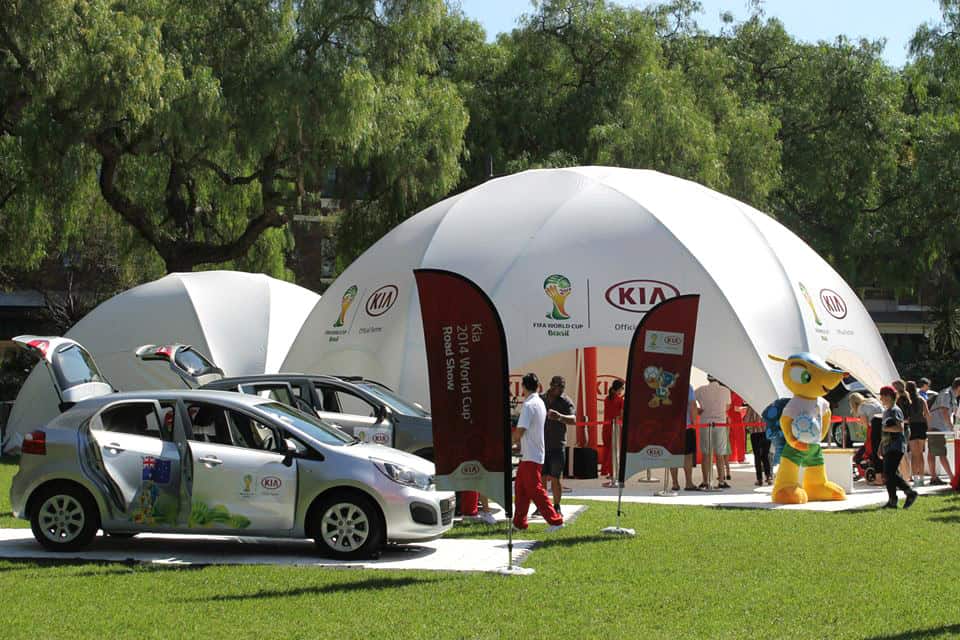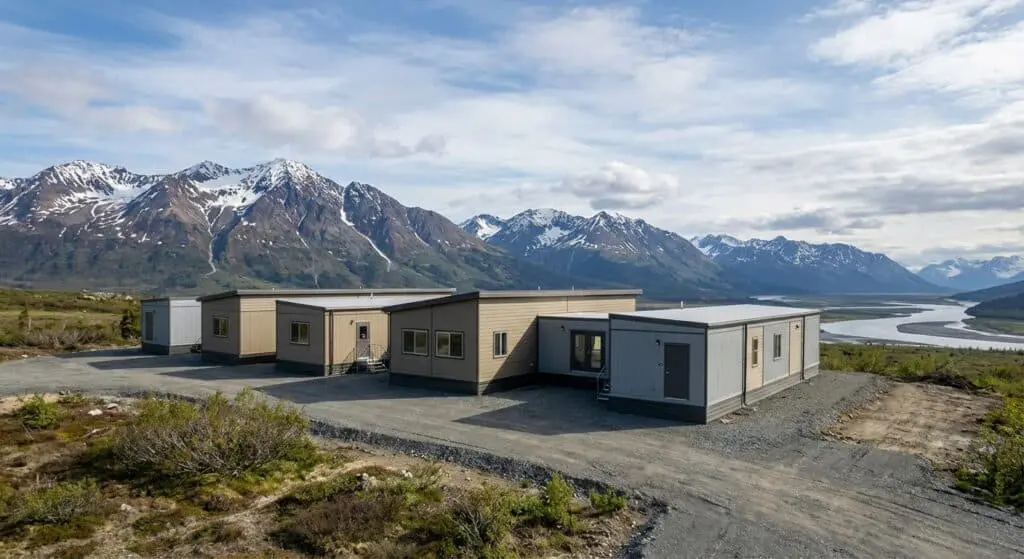
Understanding Event Tent Types
Understanding the various event tent types is crucial for planning any successful outdoor gathering, from intimate celebrations to large-scale festivals. The right tent provides shelter and sets the aesthetic tone for your occasion, influencing everything from guest comfort to photographic backdrops.
There are numerous event tent types available, each offering unique benefits and suitability for different environments and event styles. Recognizing these distinctions helps in making an informed decision that aligns with specific needs and budget constraints.
This guide will help you navigate the fundamental concepts behind these structures, preparing you to explore specific options in greater detail. Getting familiar with the basics is the first step toward choosing a functional and appealing tent, and you can find answers to common questions about renting large-scale tents at our event tent guide for more.
- Event Scale. Consider the number of guests and the activities planned to determine the required size and type of tent.
- Weather Conditions. Assess potential weather scenarios, including wind, rain, and sun exposure, to select a tent with appropriate durability and protection features.
- Venue Site. Evaluate the ground surface, available space, and accessibility of the location for tent installation and removal.
- Aesthetic Preference. Think about the desired look and feel for your event, as different tent styles offer distinct visual appeals.
- Budget Allocation. Factor in the cost of the tent rental, including setup, takedown, and any necessary accessories or permits.
Exploring Different Event Tent Types
When planning any outdoor gathering, understanding the various event tent types is crucial for selecting the right structure. Each type offers distinct advantages in terms of aesthetics, functionality, and suitability for different environments. From intimate celebrations to grand festivals, the tent you choose significantly impacts the event’s success.
Delving into the diverse world of event tent styles helps identify the best fit for any occasion. Here are some of the common categories: For a deeper dive into specific tent options, explore our common questions about renting large-scale event tents.
- Frame Tents. These tents feature a metal frame structure that supports the tent fabric, eliminating the need for interior poles. This design provides an unobstructed interior space, making them highly versatile for various layouts and setups. Frame tents are often preferred for events requiring maximum usable space, such as trade shows or dining areas.
- Pole Tents. Characterized by one or more central poles that support the canopy, pole tents create a classic, elegant silhouette with peaks and valleys. They require stakes and tension to remain stable, making them ideal for softer ground where staking is possible. Pole tents are a popular choice for weddings and garden parties, offering a traditional aesthetic.
- Clear Span Tents. Known for their robust aluminum or steel frame and modular design, clear span tents offer exceptional stability and expansive clear interior spaces. They can be erected on almost any surface, including asphalt or concrete, without the need for internal poles or external guy lines. These event tent types are perfect for large-scale events, warehouses, or long-term installations due to their durability and flexibility.
- Marquee Tents. Marquee tents often combine elements of both frame and pole tents, providing a blend of versatility and classic appeal. They typically feature a clear or translucent roof, allowing natural light to filter in, creating a bright and airy atmosphere. Marquee tents are frequently used for upscale events, galas, and outdoor receptions.
Key Features and Considerations for Event Tents
When selecting from the various event tent types, understanding their key features is crucial for a successful event. Factors like capacity, setup complexity, and weather resistance significantly impact suitability and overall guest experience. Our team has extensive experience with these considerations, ensuring optimal choices for diverse occasions.
Each type of tent offers distinct advantages and disadvantages, making a comparative analysis essential. The right choice depends on the specific needs of your event, including guest count, site conditions, and aesthetic preferences. For more detailed information on common rental questions, consider reviewing geodesic domes versus traditional tents answered by experts.
The table below outlines a comparison of common event tent types, highlighting their primary features and typical applications.
| Feature | Frame Tents | Pole Tents | Clear Span Tents |
|---|---|---|---|
| Capacity | Versatile for small to large groups | Ideal for medium to large gatherings | Excellent for very large events |
| Setup Complexity | Moderate, no internal poles | Moderate to complex, requires staking | Complex, requires specialized equipment |
| Weather Resistance | Good, enclosed structure | Good, especially with proper staking | Superior, highly stable in adverse weather |
| Typical Use Cases | Weddings, corporate events, parties | Festivals, large outdoor events, traditional weddings | Concerts, exhibitions, long-term installations |
Beyond these primary features, consider the flooring options, lighting, and climate control systems that can be integrated with different event tent types. These additions enhance comfort and functionality, contributing to a memorable event.
Choosing the Right Event Tent for Your Needs
Selecting the ideal event tent types for your occasion involves careful consideration of several factors. This section guides you through the selection process, covering essential aspects such as capacity, budget, site assessment, and aesthetic preferences to ensure you pick the perfect shelter. Understanding different types of event tent fabrics is also crucial for durability and appearance.
- Determine Your Guest Capacity
- Define Your Budget
- Assess Your Event Site
- Consider the Event Style and Aesthetic
- Evaluate Tent Features and Accessories
- Consult with a Professional Rental Company
Determining Event Tent Capacity and Size
The first step in choosing among event tent types is accurately estimating your guest count. This dictates the minimum size tent required to comfortably accommodate everyone. Account for not only seated guests but also space for a dance floor, stage, catering areas, and any other amenities your event might need. For more detailed guidance on tent selection, you can explore innovative modular structures for outdoor events for more.
Overestimating or underestimating can lead to an uncomfortable experience or unnecessary expense. Always factor in extra room for movement and emergency exits, ensuring a safe and enjoyable environment for all attendees.
Budgeting for Event Tent Types
Establishing a clear budget early in the planning process is crucial when considering different event tent types. Tent rental costs can vary significantly based on size, style, duration of rental, and additional features like lighting, flooring, and climate control. It’s important to get detailed quotes that include delivery, setup, and teardown fees.
Remember that the cheapest option isn’t always the best; prioritize value that aligns with your event’s needs and quality expectations. For instance, if you’re considering a more luxurious setup, understanding how to choose a glamping tent can inform your budget. A well-chosen tent within budget contributes significantly to the overall success of your event.
Site Assessment and Logistics for Tents
Before finalizing your choice of event tent types, a thorough assessment of your event site is indispensable. Key considerations include the ground surface (grass, asphalt, concrete), available space, accessibility for setup and teardown, and potential obstacles such as trees, power lines, or uneven terrain. This assessment helps determine which tent styles are feasible and what additional equipment, like anchoring systems, might be necessary. For more details on common concerns, review common questions about event tents, and consider the differences between dome and tent structures.
Understanding site logistics also aids in planning for utilities, such as electricity and water, which are vital for many events. A professional site visit can prevent unforeseen challenges on event day.
Matching Tents to Event Style and Aesthetic
The aesthetic appeal of your event tent types plays a significant role in setting the atmosphere for your occasion. Different tent styles offer distinct visual characteristics that can complement or detract from your event’s theme. For instance, a clear span tent provides a modern, open feel, while a pole tent offers a more classic, elegant look with its central poles.
Consider the overall vision for your event, including decorations, color schemes, and formality. Choosing a tent that harmonizes with your desired aesthetic ensures a cohesive and memorable experience for your guests, much like how carefully selected modular wellness units can enhance a resort’s ambiance.
Benefits of Professional Event Tent Rental
Renting professional event tents offers numerous advantages, including flexibility, cost-effectiveness, and access to a wide variety of styles and sizes. This approach allows you to tailor your setup precisely to your event’s needs without the long-term commitment of purchasing. For more information on the benefits and considerations of renting, you can explore common questions about renting large-scale event tents. This resource answers key queries about the rental process and what to expect.
Opting for professional event tent rental services offers numerous advantages that contribute to a smoother and more successful occasion. These services not only alleviate much of the planning stress but also ensure you have access to the ideal event tent types for your specific needs.
Professional rental companies provide expertise in assessing your venue, recommending appropriate sizes and styles, and handling all logistical aspects, allowing you to focus on other critical elements of your event. For instance, understanding the different types of event tent fabrics can help you make an informed decision about what will best suit your event’s needs and climate, so be sure to explore different event tent fabrics for more.
- Stress Reduction. Event planning can be demanding, and managing tent logistics adds another layer of complexity. Rental services take this burden off your shoulders, handling delivery, setup, and takedown.
- Access to Expertise. Experienced professionals understand the nuances of different event tent types, site conditions, and local regulations. They can provide invaluable advice to ensure your tent is safe, stable, and perfectly suited to the event.
- Wide Selection of Event Tent Types. Rental companies typically offer a diverse inventory of tents, from elegant pole tents to versatile frame tents and expansive clear span structures. This variety ensures you can find the perfect match for any aesthetic or functional requirement, as detailed in our guide to different event tent fabrics.
- Timely Setup and Takedown. Professionals ensure that your tent is erected and dismantled efficiently and on schedule, preventing delays and disruptions to your event timeline.
- Quality and Maintenance. Reputable rental services maintain their tents to high standards, providing clean, well-maintained equipment that enhances the overall appearance and safety of your event.
Common Uses for Event Tents
Event tent types offer incredible versatility, making them essential for a wide range of gatherings. From intimate celebrations to large-scale public functions, tents provide adaptable shelter and a customizable atmosphere. Their ability to transform any outdoor space into a functional and inviting venue is unparalleled.
Understanding the common applications for event tent types can help in planning your next function. Tents are frequently used for:
- Weddings and Receptions: Creating elegant, personalized spaces for ceremonies, dining, and dancing, often in scenic outdoor settings.
- Corporate Events: Hosting product launches, conferences, team-building activities, and company picnics with professional flair.
- Festivals and Fairs: Providing vendor booths, performance stages, dining areas, and sheltered zones for attendees at community events.
- Private Parties: Setting up celebratory spaces for birthdays, anniversaries, graduations, and family reunions in backyards or private estates.
- Sporting Events: Offering hospitality suites, registration areas, and spectator shelters at races, tournaments, and other athletic competitions.
- Trade Shows and Exhibitions: Constructing temporary showrooms and display areas for businesses to showcase their products and services.
- Concerts and Performances: Erecting stages, backstage areas, and covered seating for live music and theatrical productions.
For those considering purchasing or renting, understanding the nuances of different structures is key; explore our guide on event canopy buy vs. rent cost analysis to make an informed decision.
The adaptability of various event tent types means they can be configured with different flooring, lighting, climate control, and decorative elements to suit the specific needs and aesthetic of any occasion. This flexibility ensures comfort and functionality, regardless of the weather or location.
Maintaining and Caring for Event Tents
Proper maintenance is crucial for extending the lifespan and ensuring the optimal performance of various event tent types. Regular care not only keeps your tent looking good but also prevents costly repairs or replacements, maximizing your investment in these essential structures.
Understanding the best practices for cleaning, storage, and general upkeep will ensure that your event tent types are always ready for their next use. This proactive approach safeguards against wear and tear, allowing you to focus on the success of your event, much like the considerations for a successful glamping business in America.
Cleaning Guidelines for Tent Fabrics
Different tent fabrics require specific cleaning methods to avoid damage and maintain their integrity. For instance, understanding the different types of event tent fabrics is essential before applying any cleaning solution. This is similar to how different housing solutions offer unique benefits, such as the advantages of modular dorms compared to traditional on-campus housing.
Maintaining the cleanliness of your event tent types involves specific steps to protect the fabric and structural integrity. Prompt cleaning after each use is highly recommended to prevent stains from setting in and to deter mold or mildew growth.
- Remove Debris: Gently brush off any loose dirt, leaves, or other debris from the tent fabric before applying any cleaning solutions.
- Spot Clean Stains: For specific spots, use a mild soap solution and a soft brush or cloth. Avoid harsh chemicals or abrasive cleaners, which can damage the tent material.
- Rinse Thoroughly: After cleaning, rinse the tent fabric completely with clean water to remove all soap residue. Leftover soap can attract dirt and accelerate material degradation.
- Air Dry Completely: Always ensure the tent fabric is thoroughly air-dried before folding and storing. Even slight dampness can lead to mildew, which is difficult to remove and can compromise the tent’s durability.
Proper Storage Techniques
Storing your event tent types correctly is as important as cleaning them. Incorrect storage can lead to creases, damage, and degradation of materials, impacting their appearance and functionality over time. For more details on tent care and selection, consider understanding different types of event tent fabrics, such as the differences between strohboid and PVC structures.
- Cool, Dry Environment: Store tents in a cool, dry place away from direct sunlight and extreme temperatures. This prevents material breakdown and maintains fabric integrity.
- Protect from Pests: Ensure the storage area is free from rodents and insects, which can chew through fabric or build nests.
- Organized Packing: Fold tent components neatly and store them in their designated bags or containers. This prevents tangling, scratching, and makes future setup much easier.
Regular Inspections and Repairs
Routine inspections are vital for catching minor issues before they escalate into major problems. Regularly checking your event tent types can help identify areas that need attention, ensuring they remain safe and functional.
Look for signs of wear such as small tears, frayed ropes, or bent poles. Addressing these promptly can prevent further damage and extend the overall life of your tent. Timely repairs are an investment in the longevity of your equipment, much like how modular structures can enhance hospitality experiences.
Summary: Finding Your Perfect Event Tent
Choosing the right event tent is crucial for the success of any outdoor gathering. Understanding the different types available, such as geodesic domes or traditional tents, can help you make an informed decision. For more insights into selecting the best structure for your needs, consider exploring geodesic domes versus traditional tents for more.
Selecting the ideal event tent types for your occasion is crucial for success and guest comfort. This guide has explored various options, from elegant frame tents to versatile clear span structures, each offering distinct advantages.
Understanding the specific requirements of your event, such as guest count, location, and desired aesthetic, will greatly inform your choice. Prioritizing factors like ease of setup, weather resistance, and customization options ensures the perfect match. For more details on specific structures, consider innovative modular structures for your next event.
Ultimately, the perfect event tent types enhance the overall experience, creating a memorable atmosphere for any gathering. Consider all aspects carefully to ensure your event unfolds exactly as envisioned.