Understanding Large-Scale Event Tents
Event tents are essential for hosting successful outdoor gatherings, providing shelter and creating dedicated spaces for various occasions. These versatile structures range from elegant marquees for weddings to robust clearspan tents for corporate events, ensuring guests remain comfortable regardless of weather conditions. Understanding the different types and their applications is key to selecting the right solution.
The importance of proper planning for event tents cannot be overstated, as they form the backbone of your outdoor venue. They protect against sun, wind, and rain, allowing your event to proceed smoothly. Our guide to custom event tents can further elaborate on design and durability considerations.
Common applications for large-scale event tents include festivals, trade shows, concerts, and private parties. Each type offers unique benefits, from open interiors to modular designs, catering to diverse needs. For example, understanding the differences between modular tents vs. traditional tents can help you decide which structure best suits your specific event requirements.
Why Choose Rental Event Tents?
Opting for rental event tents offers numerous advantages for organizers planning various functions, from corporate gatherings to weddings. The flexibility and cost-effectiveness associated with renting make it a popular choice over purchasing, especially for those who host events infrequently or require different tent styles for each occasion.
Renting provides access to a wide array of options without the long-term commitment of ownership. You can choose specific event tents tailored to your exact needs, ensuring the perfect fit for your guest count, aesthetic preferences, and site requirements. For a comprehensive overview of available styles, explore our guide to event tent types for more.
- Flexibility in Style and Size: Rental services offer a diverse inventory, allowing you to select the ideal tent for each event. This includes everything from classic pole tents to modern clearspan structures. You can explore options like glamping domes vs event tents to find the best fit for your unique occasion.
- Cost-Effectiveness: For one-off or infrequent events, renting eliminates the significant upfront investment of purchasing. It also removes the need for storage, maintenance, and repair costs, which can add up over time.
- Professional Setup and Takedown: Rental agreements often include professional installation and dismantling services. This ensures your event tents are set up safely and efficiently, adhering to all necessary regulations and standards, and saving you valuable time and effort.
- Access to the Latest Equipment: Rental companies continuously update their inventory with the newest and highest-quality event tents and accessories. This means you benefit from modern designs, advanced materials, and features that enhance guest comfort and event aesthetics.
- Reduced Storage Needs: Owning large event tents requires considerable storage space, which can be expensive and inconvenient. Renting frees you from this burden, as the equipment is returned to the provider after your event.
- Customization Options: Many rental providers offer extensive customization, including lighting, flooring, climate control, and branding options to personalize your event space. For more specific designs, consider custom event tents that can truly reflect your vision.
Furthermore, renting allows you to adapt to different event locations and weather conditions with ease. Whether you need a robust solution like modular tents vs traditional tents for varying terrains or a temporary structure for an outdoor festival, rental providers can offer expert advice and suitable products.
Key Considerations for Renting Event Tents
Before securing event tents for your upcoming gathering, several critical factors require careful evaluation. Making informed decisions on size, style, and site preparation ensures your event runs smoothly and meets all expectations. Understanding these elements will help you choose the best rental solution for your specific needs, whether you are considering traditional tents or exploring options like geodesic domes.
Determining the Ideal Tent Size
Selecting the correct size for your event tents is paramount to guest comfort and functionality. Overcrowding can lead to discomfort, while an excessively large tent might feel sparse. Consider the number of guests and the activities planned within the tent, as well as understanding different types of event tent fabrics.
- Guest Count: Estimate the total number of attendees, including staff and performers. This is your primary metric for initial sizing.
- Layout Needs: Account for all elements within the tent, such as dining tables, a dance floor, a stage, catering areas, or vendor booths. Each element requires specific square footage.
- Activity Space: For seated dining, generally allow 15-20 square feet per person. Standing receptions or cocktail parties might require 10-12 square feet per person.
- Buffer Zones: Always include extra space for walkways, entry/exit points, and any unforeseen needs.
Choosing the Right Tent Style and Design
The style of event tents you select significantly impacts the aesthetic and functionality of your event. Various designs offer different advantages in terms of interior space, setup requirements, and overall appearance. Explore options like modular tents vs traditional tents to understand their distinct characteristics, or learn more about innovative modular structures for events for more.
- Frame Tents: These offer an open interior free of center poles, providing maximum usable space. They are versatile and can be set up on various surfaces.
- Pole Tents: Featuring a classic, elegant silhouette, pole tents rely on tension from poles and stakes. They often require a larger footprint for guy ropes.
- Clearspan Tents: Known for their robust structure and clear, unobstructed interiors, clearspan tents are ideal for larger, more elaborate events and longer installations.
- Stretch Tents: Offering a modern and adaptable design, stretch tents are highly versatile and can be configured in many shapes, creating unique visual appeal.
Site Assessment and Preparation
Proper site assessment and preparation are crucial for the safe and successful installation of event tents. The ground conditions, available space, and accessibility all play a role in determining feasibility and potential challenges. Understanding the different types of event tent fabrics can also inform your decision-making process for any event, much like when you are trying to choose a glamping tent for your business.
- Ground Surface: Identify whether the tent will be placed on grass, asphalt, concrete, or uneven terrain. This affects anchoring methods and flooring choices.
- Clearance: Ensure adequate overhead clearance from trees, power lines, and buildings. Also, check for underground utilities before staking.
- Accessibility: Confirm that the installation crew and equipment can easily access the site. This includes pathways for delivery vehicles and clear areas for setup.
- Permits: Research local regulations and obtain any necessary permits for tent installations, especially for larger structures or longer durations.
Customization and Accessories for Event Tents
Beyond the basic structure, customization options and accessories can transform your event tents into a unique and comfortable space. From climate control to specialized flooring, these additions enhance the guest experience. Consider how your custom event tents can reflect your brand or event theme. For example, explore the differences between geodesic domes and traditional tents to find the best fit.
- Flooring: Options range from basic ground covers to elevated subfloors with carpet or hardwood, providing a stable and comfortable surface.
- Lighting: Essential for evening events, lighting can include functional task lighting, elegant chandeliers, or ambient string lights.
- Climate Control: Depending on the season, consider heaters, air conditioners, or fans to maintain a comfortable temperature inside the tent.
- Sidewalls: Various sidewall options, such as clear, solid, or windowed, offer protection from weather and control the aesthetic. For unique glamping experiences, also consider glamping domes as an alternative or complementary option.
The Rental Process for Event Tents
Understanding the steps involved in renting event tents is crucial for a seamless experience. This process transforms your vision into a tangible space, providing the perfect setting for any gathering.
From initial contact to the final setup, each stage ensures that your specific needs are met with precision and expertise. This structured approach helps demystify what might seem like a complex undertaking, making it straightforward for event planners.
Initial Consultation: The first step involves discussing your event details, including date, location, expected guest count, and specific requirements. This helps determine the appropriate size and type of event tents needed. Our team can guide you through various options, such as those discussed in our guide on different event tent types for more.
Site Survey: A professional site survey may be conducted to assess the proposed location. This evaluation considers factors like ground conditions, accessibility, potential obstacles, and utility availability, ensuring a safe and efficient installation.
Proposal and Contract: Based on the consultation and site survey, you will receive a detailed proposal outlining tent specifications, accessories, services, and costs. Once agreed upon, a contract is signed to formalize the rental agreement.
Delivery Logistics: Coordination for the delivery of your event tents is arranged, considering the event timeline and site access. Clear communication ensures that all components arrive on schedule, ready for installation.
Professional Setup: Experienced technicians will meticulously install the event tents, adhering to safety standards and industry best practices. This includes securing the tent structure, installing sidewalls, and setting up any rented accessories like lighting or flooring.
Inspection and Handover: After setup, a thorough inspection is conducted to ensure everything is correctly installed and meets your expectations. The tent is then handed over for your use throughout the event duration.
Dismantle and Removal: Following your event, the rental team will efficiently dismantle and remove all event tents and equipment from the site. This ensures a clean and timely departure, completing the rental cycle without hassle. This is particularly relevant when comparing glamping domes vs event tents for campus solutions, as removal processes can differ.
Post-Event Review: An optional post-event review allows for feedback, ensuring continuous improvement and client satisfaction. This step is vital for understanding how future needs can be better addressed, especially for those considering options like modular tents vs traditional tents.
Types and Styles of Event Tents
Choosing the right aesthetic and functional option is crucial when selecting event tents for your occasion. Various types cater to different needs, from intimate gatherings to large-scale festivals. Understanding these styles helps you visualize and select the perfect shelter that complements your event’s theme and practical requirements.
The design and durability guide for your custom event tents can significantly influence your choice. For instance, some designs offer vast open spaces, while others provide more structured, intimate settings. For a comprehensive overview of available options, explore our event tent types guide.
- Frame Tents. These tents feature a metal frame that supports the fabric, eliminating the need for interior poles. This design offers an unobstructed interior space, making them highly versatile for various layouts, including seating, stages, or vendor booths. They can be set up on almost any surface, including asphalt or concrete, using weights rather than stakes.
- Pole Tents. Recognized for their classic peaked appearance, pole tents are supported by tall center poles and side poles, with ropes and stakes tensioning the fabric. They require soft ground for proper installation and are ideal for grass areas. Pole tents create an elegant, traditional look often favored for weddings and formal outdoor events.
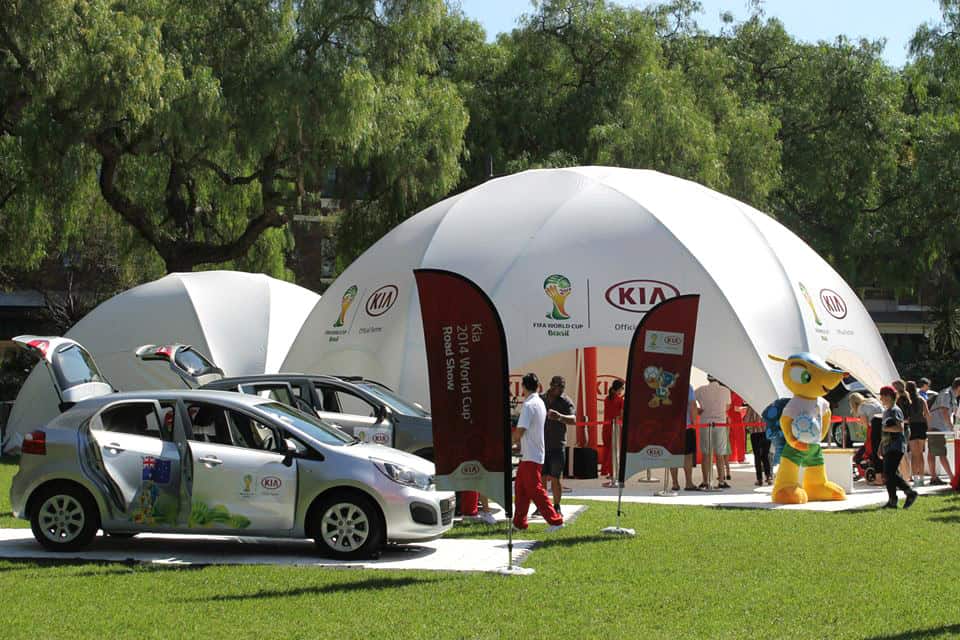
- Clearspan Tents. Offering exceptional stability and strength, clearspan tents are modular structures built with aluminum frames and durable fabric roofs. They provide vast, clear interior spaces without any poles, making them perfect for large-scale events that require extensive open areas, such as trade shows or concerts. These robust structures can withstand various weather conditions and are often used for long-term installations.
- High Peak Tents. These tents combine features of both frame and pole tents, utilizing a frame structure but with a high, peaked roofline achieved by a center pole that doesn’t reach the ground. This creates an elegant, spacious interior while maintaining a sophisticated exterior. They are excellent for upscale events and offer good weather protection.
- Stretch Tents. Known for their unique, organic shapes, stretch tents are made from highly flexible, waterproof fabric that can be configured in numerous ways using poles and anchors. They offer a modern and adaptable aesthetic, making them popular for festivals, beach events, and creative gatherings where a distinctive look is desired.
- Modular Tents. For events requiring flexible space configurations, modular tents offer an excellent solution. You can explore the differences between modular tents vs traditional tents to understand how they can adapt to various event sizes and layouts.
Each style of event tents brings unique advantages, influencing everything from setup logistics to the overall ambiance. Considering these options carefully ensures you select a tent that perfectly aligns with your event’s vision and practical needs.
Factors Affecting Event Tent Rental Costs
Understanding the factors that influence the cost of event tents is essential for effective budget planning. Several variables can significantly impact the final price, from the size and style of the tent to the duration of the rental and any additional services required.
Being aware of these elements helps you make informed decisions and ensures there are no surprises when securing your ideal shelter. For instance, comparing modular tents vs traditional tents can reveal different cost structures based on complexity and installation time, much like how you might consider the design of modular wellness units for a resort.
The type of tent also plays a crucial role; for example, custom event tents often come with a higher price tag due to their unique design and manufacturing processes. Understanding the various event tent types can help you make an informed decision.
| Factor | Description |
|---|---|
| Tent Size and Type | Larger event tents and specialized types (e.g., clearspan, custom designs) generally incur higher rental fees due to increased material, manufacturing, and labor costs. |
| Rental Duration | The length of time you need the event tents significantly impacts pricing. Daily, weekly, and monthly rates are common, with longer durations sometimes offering discounted per-day rates. |
| Location and Accessibility | Delivery and setup costs can vary based on the event site’s distance from the rental company and its accessibility for large equipment. Remote or challenging locations may require additional fees. |
| Additional Services | Many events require more than just the tent. Services like lighting, flooring, HVAC, decor, and professional setup/teardown add to the overall cost. |
| Seasonality | Demand for event tents often fluctuates with the seasons. Peak seasons (e.g., summer, holidays) may see higher prices due to increased demand and limited availability. |
Ensuring Safety and Compliance with Event Tents
Prioritizing safety and compliance is paramount when planning any event that involves the use of event tents. These structures provide essential shelter but must be installed and maintained according to strict guidelines to protect attendees and property. Understanding these regulations helps ensure a secure environment for everyone involved.
Proper installation, adherence to local building codes, and regular inspections are fundamental aspects of responsible tent usage. Neglecting any of these areas can lead to significant risks, from structural failures to legal complications. For instance, understanding the nuances of outdoor event setups, much like those discussed in the context of a luxury glamping business, can highlight best practices for ensuring stability and safety in various conditions.
Key Safety Protocols for Event Tents
Implementing robust safety protocols is crucial for any event featuring large event tents. These measures are designed to prevent accidents and ensure the well-being of all participants. It’s not just about meeting minimum requirements; it’s about fostering a culture of safety. For instance, understanding the different types of event tent fabrics can inform material choices that enhance safety and durability, so explore event tent fabric options for your needs.
- Site Assessment: Before installation, a thorough site assessment should be conducted to identify potential hazards, ground stability, and optimal placement for event tents. This includes checking for underground utilities and overhead obstructions.
- Anchoring and Ballasting: Proper anchoring is non-negotiable. Whether using stakes or ballast weights, the tent must be secured to withstand anticipated wind loads. Always consult manufacturer specifications and local weather forecasts.
- Fire Safety: All event tents must meet fire retardancy standards. Ensure clear exit paths are maintained, fire extinguishers are readily available, and any heating or cooking equipment used inside is properly vented and positioned away from flammable materials.
- Structural Integrity: Regular inspections of the tent structure, including poles, frames, and fabric, are vital before and during an event. Any signs of wear, tear, or damage should be addressed immediately by qualified personnel.
Navigating Regulations and Permitting
Compliance with local regulations and securing the necessary permits are critical steps in deploying event tents. These requirements vary by jurisdiction and the scale of your event, so early planning is essential. Understanding the different types of event tent fabrics can also be crucial for compliance and safety.
Our team understands the complexities involved in obtaining the right permits for various types of installations. For instance, knowing the difference between modular tents vs traditional tents can sometimes influence the permitting process, as modular structures might have different engineering specifications, similar to how modular dorms differ from traditional housing for more.
Typically, the permitting process involves:
- Research Local Codes: Begin by contacting your local municipal planning or building department to understand their specific requirements for temporary structures like event tents.
- Submit Application: Prepare and submit a comprehensive permit application, often including site plans, tent specifications, fire safety plans, and emergency egress routes.
- Inspections: Expect pre-installation and post-installation inspections by fire marshals and building inspectors to ensure compliance with all safety codes.
- Certification: Upon successful inspection, a certificate of occupancy or similar approval will be issued, authorizing the use of the event tents.
Emergency Preparedness for Tent Events
Despite best efforts, unforeseen circumstances can arise. A robust emergency preparedness plan is essential to ensure the safety of everyone under your event tents. This plan should cover various scenarios and outline clear procedures for response.
Consider potential issues such as severe weather, power outages, or medical emergencies. Having a well-rehearsed plan can make a significant difference in a crisis. For example, our guide on custom event tents often includes considerations for integrating emergency exits and features, and understanding the differences between materials like Strohboid and PVC can inform structural choices.
- Evacuation Plan: Clearly mark all emergency exits and ensure they remain unobstructed. Develop and communicate a clear evacuation plan to staff and attendees.
- Weather Monitoring: Continuously monitor weather forecasts leading up to and during the event. Have protocols in place for high winds, heavy rain, or lightning, including procedures for temporary closure or evacuation.
- First Aid: Ensure trained first aid personnel and appropriate medical supplies are on-site. Clearly designate first aid stations.
- Communication: Establish reliable communication channels for staff and emergency services. Provide clear instructions to attendees on how to report an emergency.
Maximizing Your Event with Professional Tent Services
Engaging professional services for your event tents can significantly elevate the overall experience and ensure a seamless execution. Experts provide more than just the physical structures; they offer invaluable guidance from planning to dismantling, helping you avoid common pitfalls and optimize your event layout. This partnership ensures that every detail, from placement to aesthetics, contributes positively to your occasion.
Professional tent services bring a wealth of expertise in various types of event tents, ensuring you select the most appropriate solution for your specific needs. For example, understanding the differences between glamping domes vs. event tents can be crucial for campus solutions or unique outdoor events. Their knowledge extends to weather conditions, site preparation, and necessary permits, handling complexities that might otherwise overwhelm event organizers.
Beyond selection, professional teams manage the entire logistics chain. This includes safe and efficient transportation, precise installation, and timely dismantling of your chosen event tents. They adhere to strict safety protocols, ensuring the structural integrity of the tent and the safety of all attendees. This level of meticulous planning and execution is especially vital for large-scale gatherings where even minor errors can have significant impacts.
Working with professionals also opens up opportunities for customization and enhancements. They can offer specialized accessories like flooring, lighting, climate control, and branding options to make your event truly unique. For instance, our guide to custom event tents explores how design and durability can transform any space into an unforgettable venue. This bespoke approach ensures that your event tents not only serve their functional purpose but also align perfectly with your vision and theme.
Moreover, professional services can assist in long-term decisions, such as understanding the benefits of modular tents vs. traditional tents. This insight is particularly useful for organizations that host frequent events and might consider investing in their own structures. Their comprehensive support allows you to focus on other critical aspects of your event, confident that the tent infrastructure is in capable hands. For more on innovative designs, explore our insights on modular structures for hospitality for more.
Your Next Event Starts Here
Planning a memorable gathering often hinges on selecting the right infrastructure, and high-quality event tents are fundamental to achieving this. Whether you envision an elegant wedding, a dynamic corporate function, or a festive community fair, the perfect tent sets the stage for success.
Understanding the various types and rental processes for event tents ensures your occasion unfolds smoothly and beautifully. We encourage you to explore your options and make informed decisions.
Ready to elevate your next gathering? Consider how different structures, like glamping domes vs event tents, can impact the ambiance and functionality of your space. For a tailored approach, learn more about your custom event tents design and durability. Also, understanding the distinctions between modular tents vs traditional tents can help you choose the best fit for your specific needs. When deciding whether to buy or rent, understanding the long-term benefits is key; our guide on buy vs rent large event canopies can help you weigh the pros and cons.
Partner with experienced professionals to bring your vision to life. Their expertise can guide you through selection, setup, and teardown, ensuring every detail is managed with precision. Let your next event be an unforgettable experience.