Understanding Cabin Tents vs. Dome Tents
Choosing between cabin tents vs. dome tents is a common dilemma for outdoor enthusiasts and event planners alike, as each offers distinct advantages for various applications. While cabin tents prioritize spaciousness and vertical living, dome tents are renowned for their robust stability and aerodynamic design, making them suitable for diverse environments.
Understanding the fundamental differences in their event tent types and construction is crucial for making an informed decision. Both serve as creative structures but cater to different needs, from casual family camping to professional event setups and even innovative hospitality designs.
This comprehensive guide will explore the unique characteristics, benefits, and ideal uses for each tent style, helping you determine which dome vs. tent design best suits your specific requirements for comfort, durability, and overall purpose.
Key Features and Design of Cabin Tents
Cabin tents are engineered to maximize interior space and provide a more “home-like” feel, often resembling a small room with straight walls and high ceilings. This design makes them particularly appealing for longer stays where comfort and livability are priorities.
Spacious Interior and Vertical Walls
The defining feature of cabin tents is their near-vertical walls, which create a generous amount of usable interior volume. This design allows occupants to stand upright and move around freely, enhancing comfort during extended trips or when hosting multiple people.
The ample headroom also facilitates the placement of standard-sized furniture, such as cots, tables, and chairs, making it easier to organize and live within the tent. This emphasis on space is key when you choose a glamping tent for your business or personal use.
Material and Construction
Cabin tents typically feature frames made from steel or fiberglass poles, designed to support their boxier shape. The fabrics range from durable polyester to canvas, with specific treatments for waterproofing and UV resistance. The choice of materials directly impacts the tent’s longevity and performance.
When considering your custom event tents, material strength and construction quality are paramount for ensuring durability and a professional appearance. These tents are built to withstand various conditions while maintaining their structural integrity.
Ventilation and Windows
To combat condensation and improve airflow, cabin tents often incorporate multiple large windows and vents. These features are strategically placed to promote cross-ventilation, which is essential for maintaining a comfortable interior climate, especially in warmer weather.
The extensive window area also allows for abundant natural light and provides expansive views of the surroundings. Thoughtful creative tent structures prioritize both aesthetics and functionality, ensuring a pleasant experience for occupants.
| Design Element | Characteristic of Cabin Tents |
|---|---|
| Wall Angle | Near-vertical for maximum interior volume |
| Peak Height | Often 6 feet or taller, allowing adults to stand comfortably |
| Typical Footprint | Rectangular or square, resembling a room |
| Frame Structure | Robust, often multi-pole design for stability |
Key Features and Design of Dome Tents
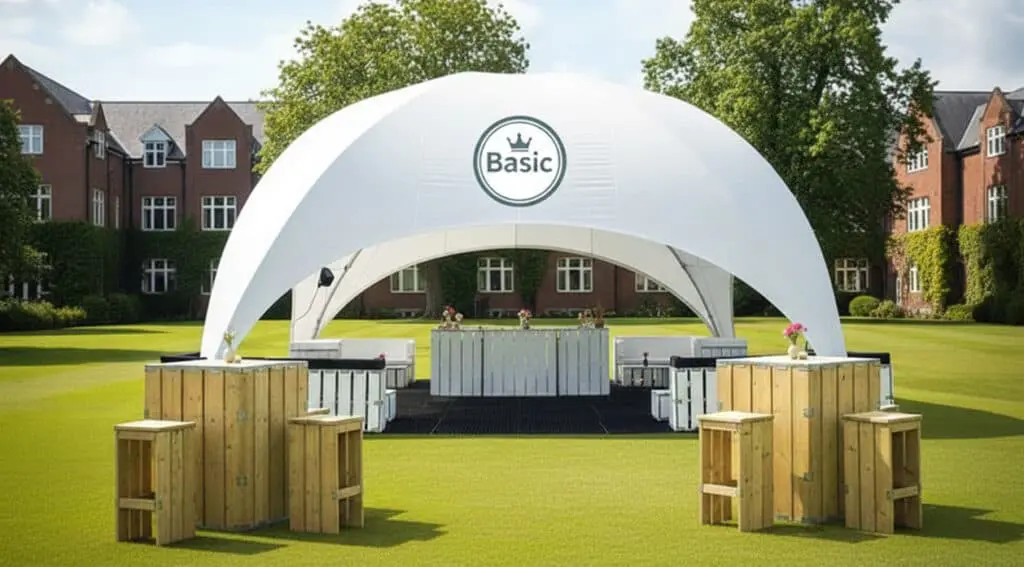
Dome tents are characterized by their iconic curved shape, which offers exceptional strength and wind resistance. This design makes them a popular choice for adventurers seeking reliability in challenging outdoor conditions, including glamping domes vs cabin tents.
Aerodynamic Shape and Stability
The geodesic design of dome tents distributes stress evenly across the frame, making them incredibly stable in high winds and heavy snow loads. Their sloped walls reduce wind resistance, allowing air to flow over them rather than push against them.
This inherent stability is a significant advantage for those needing stadium dome tents or any structure exposed to unpredictable weather. The rounded structure minimizes flat surfaces that could catch the wind.
Material and Frame Structure
Dome tents typically use flexible, lightweight poles made from fiberglass or aluminum that cross over each other at multiple points to create the dome shape. The tent fabric is usually polyester or nylon, chosen for its lightweight nature, durability, and waterproofing capabilities.
These materials and the intricate frame design contribute to the tent’s overall resilience and ease of assembly. When you rent premium event structures, understanding the underlying frame is essential.
Portability and Setup
Compared to cabin tents, dome tents are generally more compact when packed down and lighter, making them easier to transport, especially for backpacking or remote camping. Their simpler pole structure often translates to a quicker and more intuitive setup process.
Many dome tents are designed for single-person setup, which is a key benefit for solo travelers or those who need efficient assembly. The lightweight nature makes them ideal for various applications.
- Exceptional wind and weather resistance due to curved design
- Efficient stress distribution across the entire frame
- Minimal surface area for wind to catch, reducing instability
- Often lighter and more compact for easier transport
- Quick and intuitive setup with fewer rigid components
Comfort and Livability: Cabin Tents vs. Dome
When comparing cabin tents vs. dome tents for comfort and livability, the differences are pronounced, largely owing to their distinct structural designs. Cabin tents excel in providing a more spacious and home-like environment, while dome tents offer a cozier, more secure feeling, particularly in adverse conditions.
The specific features that contribute to comfort can significantly influence your choice, especially for longer stays or when specific amenities are desired. For instance, canvas glamping tents often prioritize luxury and space, similar to cabin tents.
Head Height: Cabin tents typically offer superior peak and wall height, allowing adults to stand upright throughout most of the interior. This is a significant comfort factor, reducing the feeling of confinement and making it easier to change clothes or move around.
Floor Space Utilization: The near-vertical walls of cabin tents mean that the usable floor space extends almost to the edges of the tent, allowing for better arrangement of cots, sleeping bags, and gear. Dome tents, with their sloped walls, have less usable space at the edges.
Room Dividers and Sections: Many larger cabin tents come with removable room dividers, creating separate sleeping areas or private spaces. This feature is rare in dome tents, which generally offer an open-plan interior. This is especially useful for Posh Outdoors glamping setups.
Ventilation: While both types feature ventilation, cabin tents often have larger windows and more extensive mesh panels, leading to better airflow and a less stuffy interior, particularly in warm weather. Good ventilation is a key consideration in any North America buyer’s guide for glamping tents.
Ability to Furnish: The boxier shape of cabin tents allows for more traditional furniture arrangements, such as setting up folding tables, chairs, or even small shelving units, enhancing the livability for longer camping trips.
Durability and Weather Resistance
When evaluating cabin tents vs. dome tents, their durability and weather resistance are critical factors that often dictate their suitability for different environments. Each design offers inherent strengths and weaknesses when confronted with the elements.
Dome tents, with their interconnected pole structure and aerodynamic shape, distribute stress remarkably well, making them exceptionally stable in high winds and capable of shedding heavy snowfall efficiently. This makes them a strong choice for those prioritizing sustainable creative structures that can withstand harsh conditions.
After assessing numerous structures for clients across the continent, our team has consistently observed that the structural integrity of a dome tent often provides superior wind resistance in extreme conditions compared to many cabin tents. While cabin tents are generally robust, their flatter, more vertical surfaces can act as sails, making them more susceptible to strong gusts unless heavily guyed out. Factors like modular tent installation time also play a role in their overall resilience, as proper setup contributes to stability.
Conversely, cabin tents often excel in rain protection due to their steeper roof pitches that allow water to run off quickly, and their heavier fabrics can offer better insulation in colder, less windy conditions. However, the true test lies in the engineering of the frame and the quality of the materials, much like the debate of Strohboid vs. PVC structures for event use.
Ideal Uses and Scenarios for Each Tent Type
The choice between cabin tents vs. dome tents largely depends on the intended use and the specific environment. Each tent type is uniquely suited for particular activities and weather conditions, offering distinct benefits that cater to different user needs.
Best for Family Camping and Long Stays
Cabin tents are the preferred choice for family camping trips, car camping, and any scenario where space, comfort, and extended stays are paramount. Their roomy interiors and high ceilings make them ideal for accommodating multiple people, setting up cots, and storing gear without feeling cramped.
They provide a more comfortable base camp experience, allowing families to relax and move freely inside, regardless of the weather outside. This setup is perfect for those who want to maximize their event with modular structures that prioritize guest comfort.
Optimal for Backpacking and Adverse Weather
Dome tents shine in scenarios requiring portability, stability, and resilience against harsh weather. Backpackers, mountaineers, and those venturing into windy or snowy conditions will benefit from the aerodynamic shape and robust structure of a dome tent.
Their lighter weight and smaller packed size make them easy to carry over long distances, and their superior wind shedding capabilities provide peace of mind when facing unpredictable elements. This is especially important for navigating zoning for glamping in remote, exposed areas.
Glamping and Event Applications
Both cabin and dome tents have found significant niches in the glamping and event industries. Cabin-style glamping tents offer luxurious, spacious accommodations, often equipped with amenities that mimic a small hotel room, catering to guests seeking comfort and style.
Dome tents, particularly larger geodesic domes, are popular for unique event spaces, pop-up shops, and luxury glamping experiences that require a striking visual appeal and robust structure. The flexibility of both designs allows for diverse applications, from a private retreat to a communal gathering space, as seen at The Glamping Show Americas.
Making the Right Choice: Cabin Tents vs. Dome
Deciding between cabin tents vs. dome tents ultimately hinges on a careful evaluation of your specific requirements and priorities. There is no universally “better” option; rather, the ideal tent is one that perfectly aligns with your intended use, the environment you’ll be in, and your personal preferences for comfort and convenience.
Consider the trade-offs: do you prioritize maximum interior space for extended stays and a home-like feel, or is rugged durability and wind resistance for challenging conditions more important? For large-scale events or commercial applications, the decision might also involve a cost analysis, such as whether to buy vs. rent canopies.
Think about the number of occupants, the type of climate you’ll encounter, and how important ease of transport and setup are. Evaluating these factors will guide you toward the tent design that will serve you best. Our event canopy cost analysis can further assist in commercial decisions, providing insights into long-term investments.
Whether you need a spacious haven for family gatherings or a resilient shelter for adventurous treks, understanding the core strengths of each tent type ensures a satisfying outdoor experience. A comprehensive event canopy buying vs. renting guide can help refine your decision-making process for larger structures.
Conclusion: Finding Your Ideal Tent Solution
The debate of cabin tents vs. dome tents highlights the diverse needs of outdoor enthusiasts and event organizers. Cabin tents offer unparalleled spaciousness and comfort, ideal for leisurely camping trips and situations where a home-like environment is desired. Dome tents, on the other hand, excel in structural integrity and weather resistance, making them the go-to choice for challenging conditions and adventurous excursions.
Ultimately, the best tent solution depends on your specific priorities, whether it’s maximizing interior living space or ensuring resilience against the elements. By understanding the unique advantages of each, you can make an informed decision that enhances your outdoor experiences or provides optimal event infrastructure. This understanding is key for considering modular tents vs. traditional tents in broader applications.
Our team is dedicated to providing innovative solutions that cater to a wide range of needs, from elevating hospitality experiences with unique structures to supporting large-scale events. We are committed to helping you find the perfect creative structure for any purpose. When considering the ideal solution, exploring our range of creative structures can provide further insights into possibilities.