Creative Structures: Dome vs Tent
When considering creative structures, the comparison of dome vs tent designs reveals distinct advantages and disadvantages for various applications. Both offer unique aesthetics and functionalities, making the choice dependent on specific needs and environmental factors.
Domes are known for their inherent structural strength and ability to withstand harsh weather, while tents provide greater flexibility in design and ease of relocation. This foundational difference guides their suitability for events, temporary shelters, or permanent installations, and you can find answers to common questions about renting large-scale event tents.
Understanding the core characteristics of each structure is crucial for making an informed decision, ensuring the chosen design aligns perfectly with project goals, budget, and desired user experience.
Understanding Dome Structures
A dome structure is characterized by its hemispherical or spherical shape, offering a unique blend of aesthetic appeal and structural integrity. Unlike traditional rectangular buildings, domes distribute stress evenly across their surface, making them remarkably stable and resistant to external forces like wind and seismic activity. This inherent strength is a significant factor when considering a dome vs tent for long-term installations.
The design of a dome structure often incorporates a series of interlocking triangular or hexagonal panels, forming a robust and self-supporting shell. This geometric configuration not only contributes to its stability but also allows for expansive, open interior spaces without the need for internal support columns. Many find this architectural freedom appealing for various applications.
Geodesic domes, a popular type, exemplify efficient material use and construction. Their design minimizes the amount of material needed to enclose a given volume, leading to cost-effective solutions in many cases. The inherent insulative properties of their curved surfaces can also contribute to energy efficiency, which is another aspect to weigh in the dome vs tent debate. For a detailed comparison, explore our article on geodesic domes vs. traditional tents for more.
- Exceptional Strength: Their curvilinear design inherently resists environmental stressors.
- Efficient Space Utilization: Domes often provide a larger usable interior volume relative to their footprint compared to traditional tent structures.
- Distinctive Aesthetics: The unique shape offers a modern and eye-catching appearance, ideal for events or glamping.
- Natural Lighting: Many dome designs incorporate large transparent panels, allowing for abundant natural light.
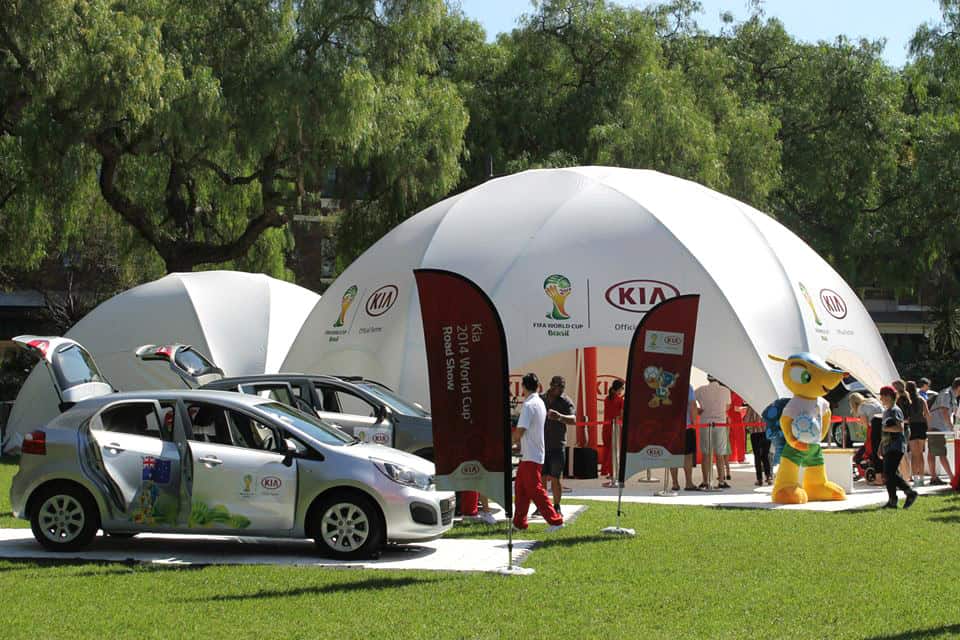
The versatility of dome structures makes them suitable for a wide range of uses, from temporary event spaces and pop-up shops to glamping accommodations and even greenhouses. Their ability to create an immersive and memorable environment is often a deciding factor for those seeking something beyond a standard tent setup.
Understanding Tent Structures
A tent structure is a portable shelter consisting of a fabric covering supported by a frame of poles and ropes. These versatile structures are designed for temporary use and are widely recognized for their flexibility and ease of deployment. Unlike permanent buildings, tents can be quickly assembled and disassembled, making them ideal for a variety of applications.
The primary function of a tent is to provide protection from the elements, offering shelter from sun, wind, and rain. When comparing a dome vs tent, traditional tents often feature more straightforward designs, ranging from simple A-frames to more elaborate cabin or tunnel shapes. This simplicity in design often translates to quicker setup times and lighter overall weights, which are significant advantages for many users. To understand the differences more clearly, you can explore our guide on geodesic domes vs. traditional tents for more.
Common features of tent structures include:
- Modular Design: Many tents consist of interchangeable parts, allowing for customization and repair.
- Lightweight Materials: Typically made from nylon, polyester, or canvas, tents are designed to be relatively light for transport.
- Ventilation: Most tents incorporate mesh windows or vents to allow for airflow and reduce condensation inside.
- Waterproofing: Fabrics are often treated or coated to repel water, ensuring the interior remains dry.
- Portability: Designed to be packed down into compact sizes, tents are easy to carry and move.
Tent structures find practical applications in diverse settings. From recreational camping and outdoor events to temporary emergency shelters, their adaptability makes them a popular choice. The design variations in a dome vs tent structure cater to different needs, with tents excelling where quick deployment and mobility are paramount.
Key Differences: Dome Vs Tent
Understanding the fundamental distinctions between a dome vs tent structure is crucial for making an informed decision for any project. These differences span various aspects, from structural integrity to aesthetic appeal and practical functionality. By examining these key areas, you can better determine which design aligns with your specific needs, such as exploring the benefits of modular tents versus traditional tents for more.
- Structural Stability: Dome structures inherently offer superior stability due to their geodesic design, distributing stress evenly across the frame. Tents, while often robust, rely more on tension and anchoring, which can be more susceptible to extreme weather conditions.
- Assembly Complexity: Tents typically feature a more straightforward, often quicker assembly process with fewer components. Domes, especially larger ones, can involve a more intricate setup due to their interconnected geometric panels.
- Interior Space Utilization: The curved walls of domes can present challenges for maximizing usable interior space and placing standard furniture. Tents, particularly those with straighter walls, generally offer more conventional and easily adaptable interior layouts.
- Portability and Weight: Most tents are designed for easier transport and lighter weight, making them ideal for temporary setups and remote locations. Domes, especially larger or more permanent installations, tend to be heavier and less portable once assembled.
- Cost Implications: Generally, basic tent structures are more budget-friendly in terms of initial purchase and installation. Dome structures, due to their specialized engineering and materials, often represent a higher initial investment.
Structural Integrity and Weather Resistance
When comparing geodesic domes and traditional tents, it’s important to consider their distinct advantages and disadvantages for various applications, from glamping to large-scale events. Understanding these differences can help you choose the most suitable structure for your needs. For a detailed comparison, explore our guide on geodesic domes versus traditional tents.
When comparing a dome vs tent, structural integrity stands out as a primary differentiator. Dome structures are renowned for their exceptional strength, stemming from their geodesic design. This design evenly distributes external forces, making them highly resistant to high winds and heavy snow loads. Tents, while varying greatly in design and resilience, typically depend on a combination of poles, tension, and guy lines for stability. Their inherent flexibility can be advantageous in some conditions, but they may require more robust anchoring in severe weather to prevent collapse or damage. The choice of fabric also plays a crucial role in a tent’s durability and weatherproofing; for more information, consider understanding different types of event tent fabrics.
Assembly Time and Complexity
The time and effort required for assembly are significant factors when choosing between a dome vs tent. Tents often boast a simpler, more intuitive setup, which can be a major advantage for events requiring quick deployment or for users with limited experience. Many modern tents are designed for rapid pitching, sometimes within minutes. Dome structures, conversely, tend to have a more involved assembly process dueading to their geometric framework. While not overly complicated for trained teams, the precise fitting of numerous panels and connectors can take considerably longer, particularly for larger installations. For a deeper dive into the nuances of different tent types, you can explore our guide to various event tent types for more.
Interior Design and Customization
The interior possibilities for a dome vs tent also present distinct characteristics. Tents generally offer more straightforward interior customization due to their rectilinear shapes, allowing for easier placement of standard furniture and modular partitioning. This adaptability makes them highly versatile for various event layouts and functions. Dome interiors, with their distinctive curved walls, offer a unique aesthetic but can pose challenges for traditional interior design elements. While they create an immersive and spacious feel, custom furniture or innovative layouts are often required to maximize the usable space efficiently. For a deeper dive into the differences, explore our geodesic domes vs. traditional tents comparison, or learn more about innovative modular structures for outdoor events.
Durability and Lifespan
Considering the long-term investment, the durability and expected lifespan of a dome vs tent are important. Dome structures, built with robust frames and often specialized coverings, are typically designed for extended use and can withstand harsh environmental conditions over many years with proper maintenance. Their structural integrity contributes to a longer operational life. Tents, while durable, can have a shorter lifespan, especially those designed for lighter, temporary use. Factors such as fabric quality, frame material, and exposure to elements greatly influence how long a tent remains in optimal condition. If you’re considering a tent option, understanding how to choose the right glamping tent is crucial for maximizing its longevity and suitability for your needs.
Pros and Cons of Dome Structures
When considering a creative structure, understanding the advantages and disadvantages of each option is crucial. Dome structures, known for their unique aesthetic and robust design, offer distinct benefits and potential drawbacks. Evaluating these factors is key to deciding if a dome, in the debate of geodesic domes vs. traditional tents, is the right choice for your specific needs. For a broader perspective on event structures, exploring different event tent types can be beneficial.
Domes often stand out for their structural integrity and energy efficiency. Their inherent geometric strength allows them to withstand challenging weather conditions better than many traditional structures. However, their unique shape can also present challenges in terms of interior layout and construction complexity.
| Pros | Cons |
|---|---|
| Superior structural strength and stability, especially against wind and snow loads. | Higher initial construction costs compared to basic tent structures. |
| Excellent energy efficiency due to minimal surface area-to-volume ratio, reducing heating/cooling needs. | Complex interior partitioning and furnishing due to curved walls. |
| Unique aesthetic appeal, making them stand out for events or as residences. | Specialized knowledge and equipment often required for assembly. |
| Can offer expansive, unobstructed interior spaces without internal support columns. | Limited vertical wall space for standard shelving or art. |
| Often considered more sustainable due to efficient material usage and longevity. | Permitting can be more challenging in some areas due to non-traditional design. |
Pros and Cons of Tent Structures
Understanding the advantages and disadvantages of tent structures is crucial when considering a dome vs tent for your specific needs. Tents offer unparalleled flexibility and are often the go-to choice for temporary shelter solutions. For more information on tent options, explore our guide to various event tent types, which can also be useful for understanding modular wellness units for resorts for more.
They are typically lightweight, easy to transport, and can be erected relatively quickly, making them ideal for events, camping, and emergency relief efforts. However, their structural integrity can be a concern in extreme weather conditions.
| Pros | Cons |
|---|---|
| Highly portable and easy to transport | Less wind resistance compared to domes |
| Quick and straightforward setup | Limited insulation capabilities |
| Cost-effective for temporary use | Shorter lifespan with frequent use |
| Versatile for various events and environments | Can be prone to leaks in heavy rain |
Typical Tent Setup Process
Setting up a tent structure, while generally simpler than a dome, still involves several key steps to ensure stability and safety. The exact process can vary depending on the tent’s size and design, but the fundamental sequence remains consistent. This process ensures the tent is ready for its intended use, whether for an event or temporary shelter, distinguishing it in the dome vs tent comparison.
- Clear the Area: First, select a flat, clear patch of ground, removing any debris or sharp objects that could damage the tent floor. This foundational step is crucial for stability.
- Lay Out the Tarp/Footprint: If using a ground tarp or footprint, spread it out where the tent will stand. This adds a layer of protection against moisture and abrasion.
- Assemble the Poles: Connect all tent poles according to the manufacturer’s instructions. Many modern tents use shock-corded poles for easy assembly.
- Thread Poles Through Sleeves/Clips: Depending on the tent design, either slide the poles through fabric sleeves or attach them to clips on the tent body. This begins to give the tent its shape.
- Raise the Tent: Lift the tent and insert the pole ends into the grommets or pins at the corners. This will raise the structure and create tension.
- Stake Down the Corners: Secure the four main corners of the tent to the ground using stakes. This prevents the tent from shifting or blowing away in light winds.
- Attach the Rainfly: Drape the rainfly over the tent body, ensuring it is properly oriented. Secure it to the tent poles or base using clips, buckles, or Velcro straps.
- Stake Out Guy Lines: For added stability, especially in windy conditions, extend and stake out all guy lines. Adjust their tension to make the tent taut.
- Set Up Interior (Optional): If applicable, set up any interior partitions, ground sheets, or other accessories inside the tent.
- Inspect and Adjust: Finally, walk around the tent, inspecting all connections, stakes, and guy lines. Make any necessary adjustments to ensure the tent is securely pitched and stable. For more information on different tent types, consider exploring our guide to various event tent options, including those for luxury camping.
Choosing the Right Structure
When it comes to selecting between a dome vs tent structure, the decision hinges on your specific project requirements and desired outcomes. Our team has assisted countless clients with their event planning, and we’ve consistently found that the choice often depends heavily on the specific application and the ambiance you aim to create.
Consider the purpose of your structure first. Is it for a short-term event, a semi-permanent installation, or a long-term architectural statement? Each scenario benefits differently from a dome or a tent, impacting factors like setup time, aesthetic appeal, and weather resistance.
For example, imagine planning a unique outdoor wedding. If you envision an elegant, modern aesthetic with robust weather protection and an open, airy interior, a dome structure might be the ideal choice. Domes offer a distinct architectural statement that can elevate the event’s atmosphere. To understand the differences more deeply, explore our guide on geodesic domes versus traditional tents.
However, if your priority is rapid deployment, maximum flexibility for different layouts, and a more traditional event feel, a tent could be more suitable. Tents are often preferred for their versatility in size and configuration, making them adaptable for various guest counts and activities.
Ultimately, the right structure—whether a dome vs tent—is the one that best aligns with your functional needs, budget, and aesthetic vision for the project.
Applications and Use Cases
Understanding the diverse applications for both dome and tent structures is essential when considering a dome vs tent solution for your project. Each type of structure excels in specific environments and serves different purposes, from temporary shelters to long-term installations. This section explores various practical scenarios where these creative structures are commonly utilized, helping to inform potential users about their versatility, and offering a detailed comparison in our guide to event structures for more.
Event and Hospitality Applications
For events and hospitality, both domes and tents offer unique advantages. Tents, in particular, are a popular choice for weddings, festivals, and corporate gatherings due to their adaptability and the familiar ambiance they create. For more information on tent options, you can explore event tent types for more.
Both dome and tent structures are widely used in the event and hospitality industries, offering flexible and visually appealing solutions. Domes, with their unique aesthetic and robust design, often serve as distinctive venues for high-profile events, pop-up restaurants, or immersive brand activations. Their panoramic views and open interiors create memorable experiences.
Tents, on the other hand, provide versatile spaces for weddings, corporate gatherings, and outdoor festivals. They are highly adaptable to different sizes and layouts, making them ideal for accommodating varying guest counts and event styles. The quick setup and takedown of many tent designs also make them a practical choice for temporary installations. For more details on tent options, explore our event tent types guide.
- Domes: Preferred for luxury glamping, unique event spaces, projection mapping experiences, and innovative hospitality solutions.
- Tents: Commonly used for large-scale festivals, wedding receptions, temporary exhibition halls, and outdoor markets due to their modularity.
Commercial and Industrial Uses
Beyond events, both structures find significant application in commercial and industrial settings. Dome structures, particularly geodesic domes, are often employed for their strength and energy efficiency. They can function as temporary or semi-permanent warehouses, agricultural shelters, or even specialized research facilities.
Tents, especially larger clear span and frame tents, are invaluable for industrial storage, construction site shelters, and temporary workshops. Their ability to cover vast areas quickly and efficiently makes them a cost-effective solution for businesses needing scalable and flexible space. The choice between a dome vs tent in these sectors often hinges on factors like durability, insulation needs, and long-term utility. For a comprehensive comparison, explore our detailed guide on geodesic domes vs. traditional tents, and consider the benefits of buying versus renting canopies.
- Storage Solutions: Both can be used for warehousing, but domes may offer better climate control for sensitive goods.
- Construction Sites: Tents provide immediate shelter for materials and workers, while domes can serve as more permanent on-site offices or common areas.
- Agricultural Uses: Domes are excellent for greenhouses or livestock shelters due to their natural light distribution and structural integrity.
Recreational and Residential Applications
In the recreational and residential sectors, the differences between a dome vs tent become particularly pronounced. Dome tents are popular among campers and adventurers for their stability and compact design, offering a secure shelter in various outdoor conditions. Larger glamping domes provide luxurious and immersive overnight experiences in natural settings.
Traditional tents continue to be a staple for camping, offering a range of sizes and complexities for different outdoor enthusiasts. Beyond camping, larger frame tents can be adapted for backyard parties or temporary guest accommodations, and understanding the cost of buying vs. renting large event canopies can help in making the right choice for your needs. The decision here often comes down to the desired level of comfort, permanence, and integration with the environment.
Emergency and Humanitarian Aid
Both dome and tent structures play crucial roles in emergency response and humanitarian aid. Tents are indispensable for immediate shelter, field hospitals, and relief distribution centers due to their rapid deployment and scalability. Their lightweight nature and ease of transport make them ideal for quick setup in disaster zones.
Dome structures, particularly smaller, rapidly deployable versions, can also be utilized for more robust temporary housing or command centers, offering better insulation and durability in challenging environments. The critical need for reliable, quick-to-assemble shelters highlights the importance of both dome vs tent designs in these vital applications, with considerations for modular vs traditional tents often influencing the final decision.
Factors for Project Consideration
When considering any structure, understanding the differences between various types is essential. For instance, exploring geodesic domes versus traditional tents can help clarify which design best suits your project’s unique requirements.
When deciding between a dome vs tent structure for your project, several critical factors warrant careful evaluation. These considerations ensure that the chosen structure aligns perfectly with your objectives, budget, and operational requirements. A comprehensive understanding of the differences between geodesic domes and traditional tents, as well as the pros and cons of modular tents, can help you avoid common pitfalls and make an informed decision that maximizes both efficiency and impact.
- Permitting and Regulations: Research local building codes and zoning laws. Certain jurisdictions may have specific requirements for temporary structures, permanent installations, or structures exceeding a particular size or height. Always ensure your chosen dome vs tent design complies with all legal stipulations.
Making Your Final Decision
When it comes to selecting between a dome vs tent structure, your final decision hinges on aligning the structure’s attributes with your specific project needs. Consider the primary purpose, environmental conditions, and desired aesthetic to ensure you make the most informed choice.
Here are key factors to review before committing to either a dome or tent, and you can find more details in our geodesic domes vs. traditional tents comparison for more.
- Purpose and Application: Define what the structure will be used for. Is it for temporary events, long-term shelters, or unique architectural installations? This initial clarification is crucial for narrowing down options.
- Site Conditions: Evaluate the location’s climate, wind exposure, and ground stability. Domes typically offer superior resistance to extreme weather, while tents can be more adaptable to uneven terrains.
- Budget and Timeline: Tents often present a more budget-friendly and quicker setup solution. Domes, while potentially more expensive upfront, can offer greater durability and longevity.
- Aesthetics and Branding: Consider the visual impact you wish to achieve. Domes provide a modern, eye-catching look, whereas tents offer classic versatility.
- Interior Space and Customization: Assess how the interior space will be utilized. Domes, with their open-plan nature, might require custom furnishings, while tents generally accommodate standard layouts more easily.
By systematically addressing these points, you can confidently determine whether a dome or tent is the optimal solution for your venture. For a detailed comparison, explore our guide on geodesic domes vs. traditional tents, which enhances functionality and meets your project’s objectives effectively.
Conclusion: Structure Winner
In the comprehensive comparison of dome vs tent structures, it becomes clear that neither design is universally superior. The “winner” ultimately depends on the specific needs, priorities, and environmental conditions of your project.
For those prioritizing durability, extreme weather resistance, and a distinctive aesthetic, dome structures often take the lead. Their geodesic design offers inherent strength and stability, making them ideal for long-term installations or challenging climates. The unique, futuristic appearance of a dome can also enhance the experience for events or specialized accommodations.
Conversely, when flexibility, ease of setup, and cost-effectiveness are paramount, traditional tent structures typically emerge as the preferred choice. Tents excel in situations requiring frequent relocation, quick assembly, and adaptability to various layouts. Their straightforward design and wide range of available sizes make them a practical solution for many temporary or semi-permanent applications.
Therefore, the decision between a dome vs tent boils down to evaluating your project’s unique demands against the inherent strengths of each structure type. Consider the intended use, budget, desired longevity, and local climate to make the most informed choice. For a deeper dive into the nuances of each, explore our detailed comparison of geodesic domes versus traditional tents.