What Are Modular Dorms?
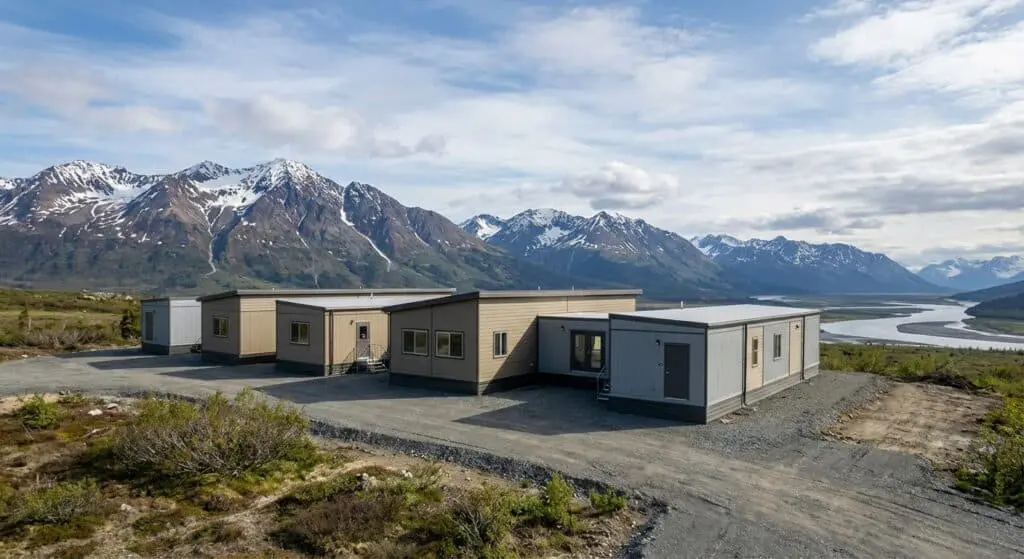
Modular dorms are prefabricated student housing units constructed off-site in a controlled factory environment. These units are built in modules and then transported to the university campus for assembly, offering a streamlined approach to expanding student accommodations.
This construction method allows for greater efficiency, quality control, and often a faster completion time compared to traditional building processes. The emphasis is on creating functional, comfortable living spaces that meet the specific needs of students.
Once assembled, modular dorms function indistinguishably from conventionally built dormitories, providing safe and modern living environments. They are designed to integrate seamlessly with existing campus infrastructure, offering a flexible solution for growing student populations, much like how large-scale event tents can be quickly deployed for temporary needs; you can find answers to common questions about renting these tents.
Core Principles of Modular Dorm Construction
The construction of modular dorms operates on a set of core principles that prioritize efficiency, quality, and adaptability. Unlike traditional building methods, modular construction involves manufacturing building sections off-site in a controlled factory environment. This approach allows for parallel processes, where site preparation and building fabrication occur simultaneously, significantly reducing overall project timelines. For more on this innovative approach, explore our modular structures for outdoor events for more.
Quality control is another fundamental aspect. Because modules are built indoors, they are protected from weather-related delays and damage, allowing for consistent adherence to specifications and higher quality finishes. Each module undergoes rigorous inspections throughout the manufacturing process before being transported to the final site. For more on this, explore our innovative modular structures for outdoor events.
The primary principles guiding the creation of modular dorms include:
- Off-Site Fabrication: This is the cornerstone, where dorm units are constructed in specialized facilities. This method ensures precision and allows for bulk purchasing of materials, leading to cost efficiencies and less waste.
- Controlled Environment: Building indoors minimizes exposure to adverse weather, which can cause material degradation or construction delays in conventional projects. This protection ensures the integrity of materials and the quality of workmanship.
- Scalability and Flexibility: Modular dorms are designed to be easily scaled up or down, offering solutions for fluctuating student populations or evolving campus needs. Their inherent flexibility makes them a practical long-term investment.
- Reduced On-Site Disruption: Since most of the construction occurs off-site, the impact on the campus environment is significantly reduced. This means less noise, traffic, and construction waste, which is beneficial for ongoing academic activities.
- Sustainable Practices: Many modular construction processes incorporate sustainable materials and energy-efficient designs. This not only minimizes environmental impact but also often results in lower operating costs for the finished modular dorms.
These principles combine to offer a modern solution for student housing that meets the demands for speed, cost-effectiveness, and sustainability without compromising structural integrity or aesthetic appeal. For more on innovative building solutions, explore our range of creative structures for more.
Benefits of Choosing Modular Dorms
Opting for modular dorms offers a multitude of advantages, distinguishing them significantly from traditional construction methods. These benefits span from rapid deployment to substantial cost savings and enhanced environmental performance, making them an increasingly popular choice for educational institutions needing efficient student housing solutions. For more on modular construction, explore our innovative modular structures for outdoor events, comparing them to traditional tents.
- Accelerated Construction Timelines: Modular dorms are built off-site simultaneously with on-site preparation, drastically cutting down project completion times.
- Cost-Effectiveness: Reduced labor costs, minimal material waste, and predictable expenses contribute to a more budget-friendly housing solution.
- Enhanced Quality Control: Factory environments allow for stringent quality checks, leading to higher construction standards and fewer on-site issues.
- Sustainability and Eco-Friendliness: The controlled manufacturing process minimizes waste and often incorporates sustainable materials and energy-efficient designs.
- Flexibility and Scalability: Modular units can be easily expanded, reconfigured, or relocated to meet changing housing demands, offering unparalleled adaptability.
- Reduced Site Disruption: Most construction takes place off-site, leading to less noise, traffic, and general disruption to campus life.
Our team has observed firsthand how institutions leverage the speed and efficiency of modular dorms to address urgent housing needs, providing students with high-quality accommodations in record time.
Rapid Deployment and Time Savings
One of the most compelling benefits of modular dorms is their ability to be deployed significantly faster than conventionally built structures. Because modules are constructed in a factory setting while site work progresses simultaneously, the overall project timeline can be reduced by 30% to 50%. This is similar to how different event tent fabrics can be chosen based on specific needs, impacting setup speed and durability.
This parallel construction process means that institutions can quickly respond to growing student populations or unexpected housing demands. The efficiency translates into students being housed sooner, minimizing delays and providing a stable living environment more rapidly.
Significant Cost Efficiencies
Beyond speed, modular dorms offer considerable financial advantages. The controlled environment of factory production leads to less material waste and more efficient labor utilization, which directly translates into lower overall costs. For example, consider the use of modular structures for outdoor events, which can also provide significant savings.
Predictable pricing and fewer on-site variables also help institutions manage their budgets more effectively, avoiding the common cost overruns associated with traditional construction projects. These savings can then be reinvested into other campus improvements or passed on to students through more affordable housing rates.
Superior Quality and Sustainability
The factory-controlled environment ensures consistent quality and allows for the integration of sustainable building practices, often resulting in more durable and eco-friendly structures than those built on-site. For more information on different types of structures, explore our guide to creative structures for more.
The manufacturing process for modular dorms allows for exceptional quality control. Each module is built to precise specifications under strict supervision, often exceeding the quality standards of site-built construction. This results in highly durable and well-insulated buildings.
Furthermore, modular construction is inherently more sustainable. Reduced material waste, the potential for repurposing modules, and the integration of energy-efficient features contribute to a smaller environmental footprint. These green attributes align with modern institutional goals for sustainability.
Cost Considerations for Modular Dorm Housing
Understanding the financial implications is crucial when evaluating modular dorms. While upfront costs can be comparable to traditional construction, modular dorms often offer significant long-term savings and a faster return on investment. The efficiency of the off-site construction process minimizes on-site labor needs and reduces overall project timelines, which directly impacts the budget.
These accelerated timelines mean that institutions can begin generating revenue from student housing sooner. Furthermore, the controlled factory environment for building modular dorms helps in reducing waste and improving material efficiency, leading to cost reductions in procurement and disposal. For more on this, explore our innovative modular structures and consider how they compare to other unique accommodation options, such as learning how to choose the right glamping tent for your business.
Potential investors and institutions should consider not only the initial expenditure but also the operational costs, maintenance, and potential for rapid expansion that modular solutions provide. The predictable nature of modular construction budgets also helps in avoiding common cost overruns associated with traditional building methods, and you can explore various creative structures for unique applications.
| Aspect | Traditional Construction | Modular Dorms |
|---|---|---|
| Upfront Costs | Often higher due to on-site complexities and longer schedules. | Competitive, with cost savings from efficient factory production. |
| Construction Time | Extended timelines due to weather delays and sequential processes. | Significantly reduced; parallel processes accelerate completion. |
| Labor Costs | Higher due to diverse on-site trades and extended project duration. | Lower due to streamlined factory assembly and reduced on-site work. |
| Waste Reduction | More material waste generated on-site. | Minimized waste through precise manufacturing and recycling. |
| Revenue Generation | Delayed due to longer construction periods. | Earlier occupancy and quicker return on investment. |
| Maintenance | Standard maintenance requirements. | Designed for durability with standardized components, potentially simplifying maintenance. |
Styles and Customization Options for Modular Dorms
Modular dorms offer extensive design flexibility, allowing institutions to create living spaces that are both functional and aesthetically pleasing. Far from generic boxes, these structures can be customized to reflect campus architecture, branding, and the specific needs of students.
The adaptability of modular dorms extends to various architectural styles, from modern and minimalist to more traditional designs that blend seamlessly with existing campus buildings. This versatility ensures that new student housing enhances the overall campus environment, much like understanding different event tent types can enhance an outdoor gathering.
Architectural Integration
One of the primary benefits of modular dorms is their ability to integrate with the surrounding campus. Manufacturers can match exterior finishes, roofing, and window styles to existing structures, ensuring a cohesive look. This careful planning helps maintain the architectural integrity of the campus.
The construction process allows for a wide range of materials, including brick, stucco, wood, and metal panels, providing designers with numerous options to achieve desired aesthetics. This material diversity contributes to the visual appeal and longevity of the dormitories, much like considering different creative structure designs for unique projects.
Interior Design and Layouts
Modular construction also provides significant advantages for interior design and layout customization. Institutions can specify room configurations, common area layouts, and even integrated furniture solutions to optimize space and functionality. For example, exploring Invicta Modular options can offer unique interior possibilities.
Inside, modular dorms provide significant opportunities for customization. Floor plans can be designed to accommodate single rooms, double rooms, suites, or even apartment-style units, catering to different student preferences and institutional requirements. Common areas like lounges, study rooms, and kitchens can also be incorporated.
Interior finishes such as flooring, paint, cabinetry, and fixtures can be selected to create comfortable and modern living environments. Many institutions choose durable, low-maintenance materials that withstand heavy student use while still offering a welcoming atmosphere. The flexibility in layout means that modular dorms can meet a variety of programmatic needs, from traditional housing to living-learning communities.
Technological and Sustainable Features
Modern modular dorms can be equipped with advanced technological features, including smart room controls, high-speed internet infrastructure, and integrated security systems. These additions enhance student convenience and safety.
Sustainability is another key customization aspect. Institutions can opt for energy-efficient windows, LED lighting, solar panels, and water-saving fixtures. These choices not only reduce the environmental footprint but also lead to significant long-term operational cost savings for the institution. The ability to integrate green technologies makes modular dorms an environmentally responsible housing solution. For more on innovative structures, explore our creative structures, such as those designed for wellness.
Choosing the Right Modular Dorm Provider
Selecting the right provider for modular dorms is crucial for the success of your project. This decision impacts not only the construction timeline and budget but also the quality and longevity of the student housing. Careful vetting and understanding of a provider’s capabilities are essential steps in this process.
This section offers guidance on navigating the selection process, from initial research to contract finalization, ensuring you choose a partner capable of delivering high-quality modular dormitories that meet your specific needs. For instance, understanding how to support a glamping business can offer insights into selecting versatile outdoor structures.
Researching Potential Providers
The first step in choosing a modular dorm provider involves thorough research. Look for companies with a proven track record in educational or institutional housing projects. Evaluate their experience, certifications, and portfolios to assess their expertise in manufacturing and installing modular dorms.
It is important to examine case studies and client testimonials to understand their past performance and client satisfaction. A provider with extensive experience will likely offer more robust solutions and a smoother project execution. For example, understanding the benefits of modular structures in hospitality can highlight a provider’s versatility.
Evaluating Proposals and Capabilities
Once you have a shortlist of potential providers, request detailed proposals that outline their proposed solutions, timelines, and cost structures for your modular dorms project. Compare these proposals carefully, focusing on factors beyond just the price. For example, understanding the differences between materials like Strohboid and PVC can be crucial, as detailed in our guide to event structures for more.
Consider the quality of materials, construction methodologies, customization options, and post-installation support offered. Assess each provider’s capacity to handle the scale and complexity of your project, including their manufacturing capabilities and logistical support.
Finalizing the Partnership
The final stage involves contract review and establishing clear communication channels with your chosen provider. Ensure the contract clearly defines deliverables, timelines, payment schedules, warranty information, and dispute resolution mechanisms.
A strong partnership is built on clear expectations and mutual understanding. Establishing regular check-ins and a dedicated project manager from both sides can help ensure the project stays on track and any issues are promptly addressed, leading to successful modular dorm construction, as explored in how modular structures can enhance hospitality experiences.
Installation and Site Preparation for Modular Dorms
Proper installation and site preparation are crucial for the successful deployment of modular dorms. This phase ensures the structural integrity and longevity of the dormitory buildings. The efficiency of off-site construction is maximized when the on-site work is meticulously planned and executed. For more on different types of structures, consider exploring innovative modular structures for events for more.
The process begins long before the modular units arrive, focusing on creating a stable and suitable foundation. Careful planning at this stage prevents delays and additional costs, ensuring that the modular dorms are ready for occupancy as quickly as possible.
Key Steps in Site Preparation
Site preparation for modular dorms involves several critical steps to ensure the ground is ready to receive the prefabricated units. These steps are designed to provide a stable, level, and serviced foundation. For example, understanding the different types of event tent fabrics can inform decisions about ground cover and protection.
- Site Survey and Assessment: A comprehensive survey identifies soil conditions, topography, and existing utilities. This initial assessment helps determine the best approach for grading and foundation design.
- Permitting and Approvals: Obtaining all necessary local permits and regulatory approvals is a non-negotiable step. This ensures compliance with building codes and environmental regulations for modular dorms.
- Grading and Excavation: The site is graded to achieve the desired elevation and ensure proper drainage. Excavation may be necessary for utility trenches and foundation footings.
- Foundation Installation: Depending on the project, this could involve concrete slabs, pier foundations, or a crawl space. The foundation must be strong enough to support the weight of the modular dorms.
- Utility Connections: Essential services such as water, sewer, electricity, and telecommunications are brought to the site and prepared for connection to the modular units.
- Access Roads and Laydown Areas: Temporary roads are often constructed to facilitate the delivery of modular units, and designated laydown areas are established for staging and material storage.
The Installation Process for Modular Dorms
Understanding the various types of modular structures can help in selecting the right option for your specific needs. For large-scale projects, consider an event canopy cost analysis to compare buying versus renting options.
Once the site is prepared, the installation of modular dorms proceeds rapidly, often taking a fraction of the time compared to traditional construction. This speed is one of the primary benefits of modular building.
- Module Delivery: Pre-finished modular units are transported to the site. Each module is carefully lifted and positioned onto the prepared foundation using cranes.
- Unit Placement and Connection: Modules are meticulously aligned and bolted together, creating a seamless structure. This step requires precision to ensure proper fit and structural integrity.
- Inter-Module Connections: Electrical, plumbing, and HVAC systems are connected between modules. This integration brings the entire building to life with essential services.
- Exterior and Interior Finishing: Any remaining exterior finishes, such as siding or roofing details, are completed. Interior touch-ups and final inspections ensure everything meets quality standards.
- Landscaping and Site Restoration: The final stage involves landscaping, paving, and restoring the site to its intended aesthetic and functional state around the new modular dorms.
Maintaining Your Modular Dorm Structures
Regular maintenance is crucial for ensuring the longevity and optimal performance of your modular dorm structures. This includes routine inspections of all connections, finishes, and systems. For more information on different types of structures and their maintenance needs, you can explore our guide to modular vs traditional tents for more.
Ensuring the longevity and optimal performance of modular dorms requires a proactive approach to maintenance. Unlike traditional construction, the prefabricated nature of modular buildings often streamlines maintenance efforts, but consistent attention is still vital. Regular inspections and timely repairs are crucial for preserving the structural integrity and aesthetic appeal of your investment.
Effective maintenance of modular dorms not only extends their lifespan but also ensures a safe and comfortable living environment for occupants. This systematic care helps to mitigate potential issues before they escalate, saving costs and preventing disruptions. By adhering to a comprehensive maintenance plan, institutions can maximize the value and efficiency of their modular housing solutions. For insights into different types of structures that might require similar care, consider exploring innovative modular structures for outdoor events.
Key Maintenance Practices for Modular Dorms
A structured maintenance schedule is essential for keeping modular dorms in top condition. This involves routine checks and specific tasks tailored to the unique characteristics of modular construction. Addressing minor issues promptly can prevent them from becoming major problems, much like understanding the differences between modular tents and traditional ones.
- Regular Structural Inspections: Conduct routine checks of foundations, walls, roofs, and flooring for any signs of wear, damage, or settling. Pay close attention to connections between modules.
- HVAC System Care: Schedule professional servicing for heating, ventilation, and air conditioning systems at least twice a year. This includes filter replacements, coil cleaning, and checking for efficient operation to maintain indoor air quality and comfort.
- Plumbing and Electrical Checks: Periodically inspect plumbing for leaks, drips, or corrosion, and ensure all electrical outlets, wiring, and fixtures are functioning safely and correctly.
- Exterior and Interior Cleaning: Maintain a regular cleaning schedule for both the exterior (e.g., pressure washing, window cleaning) and interior spaces (e.g., common areas, individual rooms) to prevent dirt buildup and promote hygiene.
- Roof and Drainage Maintenance: Inspect roofs for any damage, blockages, or wear. Ensure gutters and downspouts are clear of debris to prevent water accumulation and potential leaks.
- Landscaping and Groundskeeping: Keep surrounding areas tidy, ensuring proper drainage away from the foundation and preventing vegetation from encroaching on the building structure.
Addressing Common Wear and Tear
Understanding the different types of event tent fabrics can help in choosing the most suitable material for your needs, ensuring durability and longevity.
Even with robust construction, modular dorms will experience wear and tear over time. Recognizing and addressing these common issues efficiently is key to maintaining their quality. Prompt intervention helps avoid more extensive and costly repairs down the line.
Typical areas of concern often include high-traffic zones and external elements exposed to weather. Developing a systematic approach to these issues ensures that modular dorms remain functional and attractive for years, much like how you might approach maintaining modular structures for outdoor events, considering options like glamping domes vs event tents for campus solutions.
- Repainting and Touch-Ups: High-traffic areas like hallways and common rooms may require more frequent repainting to keep them looking fresh. Exterior paint or siding may need attention due to weather exposure.
- Flooring Repairs: Inspect flooring for scuffs, dents, or loose sections, especially in heavily used areas. Replace or repair damaged tiles, carpets, or other flooring materials to prevent tripping hazards and maintain aesthetics.
- Fixture and Appliance Maintenance: Regularly check and repair or replace worn-out fixtures, such as light bulbs, faucets, and door handles. Ensure all appliances are in good working order and address any malfunctions promptly.
- Sealant and Grout Refresh: Over time, sealants around windows, doors, and in bathrooms can degrade. Reapply or replace as needed to prevent moisture penetration and maintain a clean appearance.
- Door and Window Adjustments: Doors and windows may shift slightly over time, leading to drafts or difficulty opening/closing. Adjust hinges, latches, and seals to ensure proper function and energy efficiency.
Long-Term Preservation Strategies
Beyond routine maintenance, implementing long-term preservation strategies can significantly enhance the lifespan and sustainability of modular dorms. These strategies focus on proactive measures that protect against environmental factors and structural degradation. For example, exploring glamping dome buying considerations can offer durable and adaptable solutions for various needs.
Investing in durable materials and employing smart design choices from the outset also contribute to easier long-term maintenance. These forward-thinking approaches ensure that modular dorms continue to serve their purpose effectively and economically. For example, exploring different types of event tent fabrics can inform decisions about material durability and longevity.
- Weatherproofing Enhancements: Regularly inspect and upgrade weatherproofing elements, including sealants, flashing, and exterior coatings, to protect against moisture, UV radiation, and extreme temperatures.
- Pest Control Measures: Implement a comprehensive pest management program to prevent infestations, which can cause structural damage and health hazards. This includes sealing entry points and regular inspections.
- Energy Efficiency Audits: Periodically conduct energy audits to identify areas where energy consumption can be reduced. This might involve upgrading insulation, windows, or HVAC systems to improve efficiency and lower operating costs.
- Structural Reinforcements: For older modular dorms, consider structural assessments to identify areas that could benefit from reinforcement, especially in regions prone to seismic activity or high winds.
- Emergency Preparedness Planning: Develop and regularly update emergency plans, including protocols for fire safety, natural disasters, and power outages, to protect occupants and minimize potential damage to the structures.
The Future of Modular Dorm Housing
The landscape of student accommodation is continuously evolving, and modular dorms are at the forefront of this transformation. Looking ahead, several key trends and innovations are poised to shape the future of these flexible housing solutions, addressing both growing housing demands and sustainability goals.
Advancements in construction technology are making modular dorms even more efficient and adaptable. Expect to see increased integration of smart building systems, allowing for better energy management, enhanced security, and improved resident comfort. These innovations will further solidify modular construction as a leading choice for educational institutions seeking modern, high-quality living spaces, as showcased by options like the Invicta Modular’s Looking Glass design.
Emerging Trends in Modular Dorm Design
Future modular dorms will likely feature highly customizable designs that prioritize student well-being and community. This includes more flexible layouts, integrated communal spaces, and designs that maximize natural light and ventilation. The emphasis will be on creating environments that support both academic success and social interaction, moving beyond basic functional units. For inspiration on innovative structures, explore our modular structures for outdoor events for more.
Sustainable materials and practices will also become even more prevalent in the construction of modular dorms. Manufacturers are increasingly exploring eco-friendly options, such as recycled content, low-VOC finishes, and renewable energy systems. This commitment to sustainability aligns with the environmental goals of many universities and colleges, making modular solutions an attractive green option.
Technological Innovations Driving Growth
The integration of digital technologies, such as Building Information Modeling (BIM) and advanced robotics, is streamlining the manufacturing process for modular dorms. These technologies enhance precision, reduce waste, and accelerate production timelines. Such efficiency gains mean that institutions can deploy new housing faster, responding to immediate needs with greater agility.
Furthermore, remote monitoring and predictive maintenance technologies will become standard in future modular dorms. These systems can track building performance, identify potential issues before they become problems, and optimize operational costs over the lifespan of the structures. This proactive approach ensures the longevity and efficiency of the modular housing, as seen with innovations like the Wave Mod for more.
Addressing Future Housing Demands with Modular Dorms
As institutions face growing student populations and the need for flexible, cost-effective housing solutions, modular dorms offer a compelling answer. Their ability to be deployed quickly and adapted to specific site requirements makes them ideal for addressing immediate capacity needs and for long-term campus planning. Explore the advantages of these innovative structures for your next project by reviewing our guide to innovative modular structures for more.
As student populations continue to grow and housing shortages persist, modular dorms offer a scalable and rapid deployment solution. Their ability to be constructed off-site simultaneously with site preparation significantly cuts down on overall project times. This speed allows educational institutions to quickly expand their housing capacity without lengthy disruptions to campus life.
The inherent flexibility of modular dorms also means they can be reconfigured or relocated if campus needs change over time. This adaptability provides a long-term strategic advantage for universities, enabling them to adjust their housing infrastructure efficiently to meet evolving student demographics and enrollment figures. For more on adaptable structures, explore innovative modular structures for events.
Conclusion: Embracing Modular Dorm Solutions
In conclusion, the shift towards modular dorms represents a significant evolution in student housing. These innovative structures offer a compelling alternative to traditional construction, addressing many of the challenges faced by educational institutions today.
The numerous advantages, from rapid deployment to cost efficiency and enhanced sustainability, make modular dorms a superior housing solution. Their ability to adapt to diverse needs and aesthetic preferences ensures they can seamlessly integrate into various campus environments.
As we’ve explored, the benefits extend beyond mere construction speed. Modular dorms contribute to a more sustainable future, reduce overall project costs, and provide comfortable, modern living spaces for students. By embracing these solutions, institutions can efficiently meet growing housing demands while optimizing resources. Explore our range of modular products for more innovative options, such as the Tubbo modular system.
Ultimately, the practical considerations and long-term value proposition underscore why modular dorms are becoming an increasingly popular choice. They empower colleges and universities to provide high-quality student accommodations with unparalleled flexibility and speed.