Event Structure Options: Strohboid vs. PVC
When considering event structures, understanding the differences between Strohboid vs PVC options is crucial for event planners and organizers. This guide aims to provide a clear comparison, helping you select the ideal structure for various event needs, from small gatherings to large-scale festivals.
Both Strohboid and PVC structures offer distinct advantages in terms of durability, aesthetic appeal, and practical application. Evaluating these characteristics carefully ensures that your chosen structure aligns with the event’s vision and functional requirements. For more on this, check out our answers to common questions about renting large-scale event tents.
Making an informed decision about your event structure impacts guest experience, operational efficiency, and overall budget. A detailed analysis of each material’s properties will highlight how they perform under different conditions and for various event types.
What is a Strohboid Structure?
A Strohboid structure is a unique type of event tent known for its distinctive aesthetic and robust construction. These structures often feature a more natural or rustic appearance compared to standard PVC tents, making them suitable for specific types of events. Explore the specific Strohboid Chalet model for an example of this design.
A Strohboid structure represents an innovative approach to event infrastructure, distinguished by its unique combination of sustainable materials and sophisticated design. Unlike traditional tents or PVC structures, Strohboid pavilions often feature a distinctive curved timber frame, providing both aesthetic appeal and robust stability. This design philosophy directly influences the discussion when comparing Strohboid vs PVC options for event planners. You can learn more about Strohboid structures and their unique benefits.
The core materials typically involve high-quality laminated veneer lumber (LVL) for the frame, which offers superior strength and a natural, elegant look. The roofing material is often a high-tech membrane, sometimes coated with a thin layer of PVC for enhanced durability and weather resistance, balancing sustainability with practical application.
Strohboid structures are celebrated for their ability to blend seamlessly into natural landscapes while providing a luxurious and comfortable environment. They are engineered to withstand various weather conditions, including strong winds and heavy snow loads, making them suitable for year-round use.
Typical applications for Strohboid structures include:
- Luxury Events: Weddings, galas, and exclusive corporate functions that require a premium aesthetic.
- Hospitality Venues: Outdoor dining areas for restaurants, hotels, and wineries looking to expand their usable space.
- Glamping Experiences: High-end outdoor accommodations that offer comfort and a connection to nature.
- Exhibition Spaces: Unique and inviting areas for product launches or art installations.
These structures are designed for longevity and reusability, reflecting a commitment to sustainability that is a key differentiator in the Strohboid vs PVC debate. Their modular nature also allows for various configurations and sizes, adapting to diverse event requirements.
Exploring PVC Structures
While Strohboid structures offer a unique blend of natural materials and engineered durability, other options like PVC tents provide a different set of advantages for event planning. Understanding the various types of event tents available can help you make the best choice for your needs, whether you’re considering temporary or more permanent solutions.
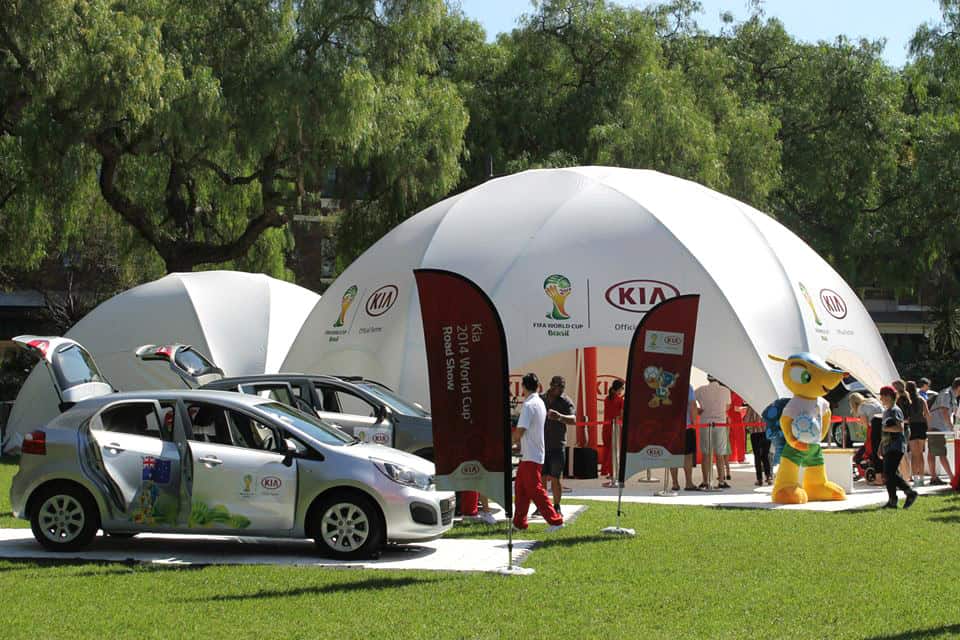
Polyvinyl Chloride (PVC) structures are a ubiquitous choice for event planners due to their versatility and practical advantages. These structures, often seen as tents, marquees, or temporary shelters, rely on a robust framework typically made of aluminum or steel, covered with durable PVC fabric. The inherent properties of PVC make it an ideal material for environments that demand resilience against various weather conditions.
The construction of PVC structures is generally straightforward, allowing for rapid deployment and dismantling. This efficiency is a significant benefit for events requiring quick turnaround times or frequent relocation. The modular nature of many PVC systems also means they can be scaled to fit diverse space requirements, from intimate gatherings to large-scale festivals. To understand more about these versatile options, explore our guide on innovative modular structures for outdoor events for more.
Common uses for PVC structures span a wide array of events. They are frequently employed for:
- Outdoor festivals and concerts, providing stage covers and vendor booths.
- Wedding receptions and private parties, offering elegant and weather-protected spaces.
- Corporate events and trade shows, serving as exhibition halls or meeting areas.
- Temporary storage solutions or emergency shelters due to their robust nature.
When considering strohboid vs pvc, it is clear that PVC structures excel in scenarios where cost-effectiveness and functional utility are paramount. Their ability to provide reliable shelter and adaptable spaces makes them a cornerstone of the event industry.
Key Differences: Strohboid vs. PVC
Understanding the key differences between Strohboid and PVC structures is essential for making an informed decision for your event needs. This direct comparison highlights critical factors like durability, aesthetics, weather resistance, setup speed, and cost, providing a comprehensive overview to help determine which option is best suited for various applications. Evaluating Strohboid vs. PVC helps clarify the strengths and weaknesses of each, and you can learn more about modular tents vs traditional tents to further inform your choice.
| Feature | Strohboid Structures | PVC Structures |
|---|---|---|
| Primary Material | Sustainable LVL (Laminated Veneer Lumber) wood frame with a high-tech membrane (often PVC-coated Airtex Magic fabric). | Typically a steel or aluminum frame with heavy-duty PVC fabric for the covering. |
| Aesthetics & Design | Premium, organic, and elegant appearance. Often chosen for upscale events, luxury hospitality, and architectural integration. | Functional and versatile; can range from basic utility tents to more elaborate designs, but generally less refined than Strohboid. |
| Durability & Lifespan | Engineered for long-term use and year-round deployment, with high resistance to environmental factors. | Durable and weather-resistant, suitable for frequent use, but typically has a shorter aesthetic lifespan compared to Strohboid’s timber frame. |
| Weather Resistance | Excellent performance in various weather conditions, including strong winds, heavy snow, and rain, thanks to robust design and materials. | Highly effective against rain, wind, and UV radiation; known for its waterproof and protective qualities. |
| Sustainability | High emphasis on sustainable materials (LVL wood) and production processes, offering a lower environmental footprint. | Less sustainable due to reliance on petroleum-derived plastics; recycling options are improving but still limited in practice for large structures. |
| Setup & Takedown | Modular design allows for relatively efficient assembly, though potentially more involved due to the timber framework. | Often designed for quick assembly and disassembly, making them practical for temporary and frequently moved events. |
| Cost | Generally a higher initial investment due to premium materials, craftsmanship, and design. | Typically a more budget-friendly option, especially for standard tent configurations. |
Durability and Longevity
The lifespan and resilience of a structure are critical considerations for any event or application. Strohboid structures, with their robust timber frames and high-quality membrane materials, are designed for superior durability and can offer a longer service life, often appearing as permanent installations. This makes them a sound investment for businesses prioritizing longevity and a premium feel. For more insights into the various types of event tents and their characteristics, you can explore our guide on understanding different event tent fabrics for more.
PVC structures, while durable for their intended use, are typically manufactured with the expectation of being temporary or semi-permanent. Their longevity can be influenced by factors such as UV exposure and frequent dismantling and reassembly, making them a more cost-effective solution for short-term needs.
Both types of structures are designed for durability, but their expected lifespans and resistance to wear differ. Strohboid structures are engineered for year-round, long-term deployment, capable of withstanding diverse weather conditions due to their strong timber frames and specialized membranes. They represent a significant investment meant to last for many years.
PVC structures are also highly durable and weather-resistant, especially against rain and UV exposure. However, the PVC fabric itself, while robust, may show signs of wear and tear or fading over prolonged periods, leading to a potentially shorter aesthetic lifespan compared to the more permanent nature of Strohboid’s timber construction.
Environmental Considerations
Sustainability is an increasingly important factor for event planners. Strohboid emphasizes eco-friendly practices by utilizing sustainable LVL timber and often incorporating recyclable or low-impact membrane materials. Their commitment to regional production and longevity further reduces their environmental footprint, setting them apart in the Strohboid vs. PVC debate.
PVC, being a petroleum-derived plastic, generally has a higher environmental impact during production and disposal. While efforts are being made to improve PVC recycling and reduce its footprint, Strohboid typically offers a more environmentally conscious choice for those prioritizing green events, especially when compared to traditional tent structures.
Cost and Value Proposition
When considering the overall value, it’s important to look beyond the initial price tag and evaluate the long-term benefits and potential return on investment, which you can explore in our guide on buy vs rent canopies.
The initial investment for a Strohboid structure is typically higher than for a standard PVC structure. This cost reflects the premium materials, intricate design, and engineering for long-term performance and aesthetic excellence. Strohboid offers a strong value proposition through its extended lifespan, reduced need for frequent replacement, and enhanced guest experience. Understanding different types of event tent fabrics can help you make an informed decision.
PVC structures generally present a more budget-friendly option, especially for temporary or less frequent use. Their lower upfront cost and ease of production make them accessible for a wider range of events and budgets, balancing affordability with practicality.
Advantages of Strohboid for Events
When comparing strohboid vs pvc, Strohboid structures offer distinct benefits that elevate event experiences, especially for those prioritizing aesthetics, sustainability, and unique durability. These pavilions are not merely shelters; they are architectural statements that enhance the overall ambiance of an event.
Our team has observed firsthand how Strohboid structures transform venues into memorable settings, providing an unparalleled blend of natural beauty and robust engineering. Here are the key advantages of choosing Strohboid for your next event:
For a deeper dive into the various types of event structures available, consider exploring our guide on event tent types for more.
- Unique Aesthetic Appeal. Strohboid structures are celebrated for their distinctive wooden frames and organic shapes, which integrate seamlessly into natural landscapes or create a sophisticated focal point in urban settings. Their design often evokes a sense of craftsmanship and elegance that traditional PVC tents cannot replicate.
- Environmental Considerations. Sustainability is a core principle behind Strohboid design. These structures frequently utilize responsibly sourced timber and other eco-friendly materials, minimizing their environmental footprint. This commitment to sustainability resonates with environmentally conscious event planners and attendees.
- Superior Durability and Weather Resistance. While often appearing more delicate, Strohboid structures are engineered for exceptional strength and stability. They are designed to withstand various weather conditions, offering reliable protection from wind, rain, and snow, ensuring event continuity regardless of the forecast.
- Enhanced Guest Experience. The natural materials and thoughtful design of Strohboid pavilions contribute to a warmer, more inviting atmosphere. The acoustic properties of wood can also create a more pleasant sound environment compared to the reverberant interiors of many PVC structures.
- Long-Term Investment Value. Given their robust construction and timeless design, Strohboid structures can be a wise long-term investment for venues or frequent event hosts. Their durability and aesthetic appeal mean they can be used repeatedly for many years, often requiring less frequent replacement than more temporary PVC alternatives.
Benefits of PVC for Event Structures
When considering event structures, PVC offers a range of practical advantages that make it a popular choice. These structures are known for their resilience and adaptability, making them suitable for diverse event requirements. The comparison of strohboid vs pvc often highlights PVC’s straightforward functionality. For more information on different tent types, explore our event tent types guide.
PVC structures excel in several key areas:
- Exceptional Weather Resistance: PVC materials are inherently waterproof and highly resistant to UV radiation, wind, and temperature fluctuations. This makes them ideal for events held in unpredictable weather conditions, providing reliable shelter and protection.
- Durability and Longevity: Designed to withstand rigorous use, PVC structures are durable and can be deployed multiple times without significant wear. Their robust construction ensures they maintain structural integrity over extended periods, offering a long-term investment for event organizers.
- Flexibility in Design and Size: PVC allows for significant versatility in terms of structure size, shape, and configuration. From small pop-up tents to large marquees, PVC can be customized to fit specific event layouts and attendee capacities.
- Cost-Effectiveness: Generally, PVC structures present a more budget-friendly option compared to some alternative materials, both in initial purchase and maintenance. Their durability reduces the need for frequent replacements, contributing to overall savings.
- Ease of Setup and Takedown: Many PVC structures are designed for relatively quick and efficient assembly and disassembly. This operational efficiency is crucial for events with tight schedules, minimizing labor costs and setup time.
These benefits underscore why PVC remains a go-to material for a wide array of events, from corporate gatherings to private celebrations. Its practical attributes ensure that event planners can focus on the experience, knowing their structure is reliable, and you can learn more about innovative modular options for outdoor events.
Choosing the Right Structure
Deciding between Strohboid vs PVC structures for your event requires careful consideration of several factors. Each material offers distinct advantages, making the “best” choice highly dependent on your specific event needs and priorities.
This guide will walk you through the key elements to evaluate, ensuring you select a structure that perfectly aligns with your vision and practical requirements. For a deeper dive into event tent options, explore our quick guide to different event tent types for more.
Define Your Event Type and Aesthetic: Consider the nature of your event. Is it a high-end corporate gala, a rustic wedding, or a casual festival? Strohboid structures often lend themselves to more elegant, sustainable, and unique aesthetics, while PVC structures provide versatility for a wide range of themes, from industrial to classic tent setups. The visual impact is a primary differentiator in the Strohboid vs PVC debate. For more on different tent types, explore our event tent types guide.
Conclusion: Your Event Structure Decision
Deciding between Strohboid and PVC event structures involves weighing various factors crucial for your event’s success. Both options offer distinct advantages, making the “best” choice highly dependent on your specific needs, aesthetic preferences, and budget.
When considering strohboid vs pvc, remember that Strohboid structures excel in providing a unique, high-end aesthetic with a focus on sustainability and natural materials. They are ideal for events where visual impact, environmental responsibility, and long-term use are priorities.
Conversely, PVC structures offer unparalleled versatility, durability, and cost-effectiveness, making them a practical choice for a wide range of temporary events. Their robust nature ensures reliability in diverse weather conditions and allows for easy customization.
Ultimately, the right decision for your event structure comes down to a careful evaluation of these characteristics against your event’s goals. Consider the atmosphere you wish to create, the duration of the event, and the practical demands of the site. Consulting with event structure specialists can provide tailored advice and ensure you select the optimal solution for your unique requirements.
Choosing between Strohboid and PVC event structures requires careful consideration of aesthetics, durability, and cost to align with your specific event vision; explore our range of Strohboid options for unique event designs.