The Rise of Modular Hospitality
The adoption of modular structures in hospitality is rapidly transforming how hotels, resorts, and other accommodation providers are built and operated. This innovative construction method involves manufacturing pre-engineered building components off-site, which are then transported and assembled at the final location.
This approach offers numerous benefits, including accelerated construction timelines, reduced on-site disruption, and enhanced quality control. By streamlining the building process, modular construction enables businesses to open new properties faster and adapt more readily to market demands.
As the industry continues to seek efficiency and sustainability, modular structures hospitality solutions are becoming increasingly vital. They not only meet immediate operational needs but also provide flexible, scalable options for future expansion and development in a competitive market, much like how modular tents offer adaptable spaces.
What are Modular Structures in Hospitality?
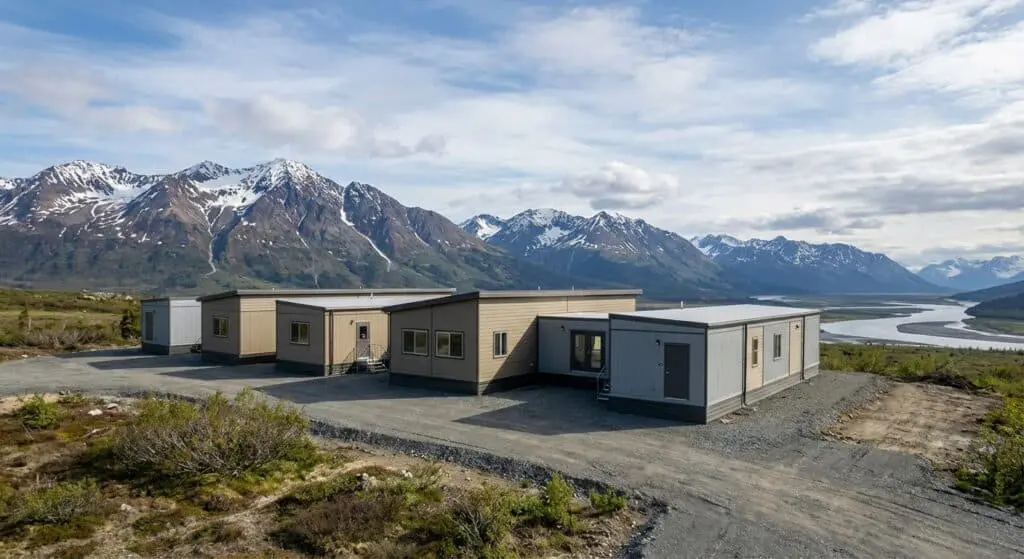
Modular structures in hospitality refer to buildings or components of buildings that are manufactured off-site in a controlled factory environment. These prefabricated units, or “modules,” are then transported to the construction site and assembled to create complete structures, such as hotels, resorts, or guest accommodations. This method stands in contrast to traditional construction, which involves building entirely on-site. For more information on different types of structures, explore our guide to creative structures for more.
The manufacturing process for modular structures hospitality projects typically begins with detailed architectural and engineering designs. These designs are broken down into individual modules, each comprising structural elements, plumbing, electrical systems, and interior finishes. Highly skilled teams construct these modules using advanced techniques and quality control measures within the factory setting.
Once completed, the modules are carefully sealed and shipped to the final destination. On-site work primarily involves preparing the foundation, connecting the modules, and performing final utility hook-ups and exterior finishing touches. This streamlined process significantly reduces construction time and minimizes disruption at the building site.
Common components of modular hospitality projects can include:
Key design principles guide the creation of effective modular structures, such as exploring various creative structures that can be adapted for hospitality needs, like comparing geodesic domes vs. traditional tents for more.
- Standardization with Flexibility: While modular units benefit from standardization for efficient manufacturing, they must also allow for customization. This means designing core components that can be easily adapted with different finishes, layouts, and features to meet brand standards or specific project requirements.
- Integrated Systems: Plumbing, electrical, and HVAC systems are integrated into the modules during factory assembly. This principle ensures that upon delivery, the modules can be quickly connected on-site, significantly reducing construction time and potential errors.
- Durability and Quality: Modular construction emphasizes high-quality materials and rigorous factory inspections. Designing for durability ensures that the finished modular structures hospitality facilities can withstand the demands of continuous use and maintain their aesthetic appeal over time.
- Logistical Efficiency: Design choices directly impact transportation and on-site assembly. Modules are engineered to fit standard transport dimensions and to be easily lifted and installed with minimal disruption, streamlining the entire construction process.
- Aesthetic Cohesion: Despite being built off-site, the design must ensure that the final assembly presents a unified and attractive structure. This includes careful consideration of exterior facades, interior finishes, and how modules connect to create seamless spaces that enhance the guest experience.
These principles combine to create innovative modular structures hospitality solutions that are not only efficient to build but also deliver exceptional guest satisfaction.
Benefits of Modular Structures for Hotels & Resorts
Modular structures hospitality offer a compelling suite of advantages for hotel and resort developers. These innovative construction methods deliver significant improvements in project speed, cost-effectiveness, environmental sustainability, and design flexibility, revolutionizing how new hospitality venues are brought to life. For outdoor events, understanding different types of event tent fabrics can also be crucial for success.
Accelerated Project Timelines
One of the most significant benefits of using modular structures hospitality is the dramatically reduced construction schedule. Because modules are fabricated off-site simultaneously with on-site foundation work, projects can be completed up to 50% faster than traditional construction methods, as seen in innovative modular structures for outdoor events.
- Simultaneous Construction: Foundation work and module fabrication occur concurrently, eliminating sequential delays.
- Weather Independence: Factory-controlled environments protect against weather-related delays, ensuring consistent progress.
- Reduced On-site Disruption: Less time spent on the physical building site minimizes noise, traffic, and inconvenience for surrounding areas.
Enhanced Cost Efficiency
Modular construction significantly reduces overall project costs through optimized material usage, reduced labor requirements, and minimized waste. This approach offers a more predictable budget, making it an attractive option for developers seeking to maximize their return on investment, especially when considering buy vs. rent canopies for event spaces.
Modular construction often translates to substantial cost savings for hotels and resorts. The controlled factory environment helps to reduce waste, optimize labor, and prevent costly weather-related damage or theft of materials.
- Material Waste Reduction: Precise cutting and ordering in a factory setting minimize excess materials.
- Predictable Budgeting: Greater control over the manufacturing process leads to fewer unexpected costs and more accurate financial forecasting.
- Lower Labor Costs: Streamlined assembly processes and skilled factory teams improve efficiency.
Sustainable Building Practices
Embracing modular structures hospitality contributes significantly to environmental stewardship. These methods are inherently more sustainable, promoting greener construction and reduced ecological footprints. For example, when considering accommodations, understanding how to choose a glamping tent can also align with sustainable tourism goals.
- Reduced Waste: Factory production generates less construction waste compared to traditional on-site building.
- Energy Efficiency: Tighter building envelopes and better insulation often result from controlled manufacturing, leading to lower operational energy consumption.
- Less Site Disturbance: Minimized on-site activity preserves local ecosystems and reduces environmental impact during construction.
Unrivaled Design Flexibility
Despite misconceptions, modular structures offer extensive design possibilities, allowing for unique and aesthetically pleasing hotels and resorts. Customization options ensure that each property can reflect its brand identity and meet specific guest experience goals. For example, explore the diverse range of Invicta Modular options available.
- Customizable Modules: Modules can be designed to specific dimensions, layouts, and finishes.
- Architectural Versatility: A wide range of exterior and interior design elements can be incorporated, from modern to traditional styles.
- Scalability: Future expansion is simpler, as additional modules can be added to existing structures with minimal disruption.
Exploring Styles and Designs in Modular Hospitality
Modular construction offers an impressive spectrum of aesthetic possibilities for modular structures hospitality. Far from the notion of standardized, uninspired boxes, modern modular design embraces customization and innovative architectural expression. This versatility allows hospitality businesses to create unique guest experiences that align with their brand identity and target demographic.
The flexibility of modular units means they can be configured into a wide array of building types. From luxury resorts and boutique hotels to extended-stay accommodations and glamping sites, modular structures adapt to diverse functional and stylistic demands. This adaptability is key to meeting the evolving preferences of travelers and ensuring market competitiveness.
Common styles and designs seen in modular hospitality projects include:
- Modern & Minimalist: Clean lines, expansive glass, and open-plan layouts characterize this popular style. Modular units are ideal for achieving this aesthetic due to their precise fabrication and ability to integrate large structural elements off-site.
- Rustic & Nature-Inspired: Integrating natural materials like wood, stone, and sustainable composites allows modular designs to blend seamlessly with natural surroundings. This is especially prevalent in eco-lodges and remote resort developments, enhancing the guest connection to nature.
- Industrial Chic: Exposed structural elements, metal finishes, and raw textures can give modular hotels a contemporary, urban edge. This style often appeals to a younger, design-conscious demographic.
- Traditional & Regional: Modular construction can replicate traditional architectural styles, incorporating regional elements and cultural motifs to create a sense of place. Advanced manufacturing techniques allow for the precise reproduction of intricate details.
- Boutique & Bespoke: For unique brand identities, modular structures hospitality can be tailored with custom facades, interior finishes, and specialized layouts. This enables the creation of highly individualized guest rooms and public spaces that stand out.
The ability to finish modules off-site means that high-quality materials and bespoke elements can be incorporated efficiently. This reduces on-site construction time and minimizes disruption, while still delivering sophisticated and attractive designs that appeal to various market segments. The design possibilities ensure that modular structures can meet high aesthetic standards without compromising on functionality or sustainability. For inspiration on different types of structures and their applications, consider exploring various event tent types for diverse hospitality needs.
The Cost of Modular Structures in Hospitality Projects
Understanding the financial implications is crucial when considering modular structures hospitality projects. While initial perceptions might suggest modular construction is always cheaper, the reality is more nuanced. The cost-effectiveness often stems from factors beyond the raw materials and labor, including accelerated project timelines and reduced on-site disruption.
Modular construction can lead to significant savings in overheads, such as financing costs, due to faster project completion. Developers can bring their properties to market sooner, generating revenue earlier than with traditional construction methods. This quick turnaround is a primary driver for many in the hospitality sector. For more on this, explore our guide to innovative modular structures for events for more.
Value assessments for modular structures hospitality also account for predictability. Because a large portion of the construction occurs in a controlled factory environment, there is less risk of weather delays, material theft, and unexpected labor issues that can inflate costs in conventional builds. For a deeper understanding of how these structures compare, explore our guide on modular vs traditional tents for more.
| Feature | Modular Construction | Traditional Construction |
|---|---|---|
| Project Timeline | Significantly faster due to parallel processes (site work and module construction occur simultaneously). | Longer, sequential process, subject to on-site conditions and weather. |
| Cost Predictability | High; factory-controlled environment reduces unexpected costs and delays. | Moderate; more susceptible to budget overruns due to unforeseen site issues. |
| Labor Efficiency | Optimized factory environment allows for specialized teams and streamlined workflows. | Relies on on-site labor, which can be affected by availability and local conditions. |
| Waste Reduction | Minimized material waste due to precise factory cutting and recycling programs. | Higher potential for material waste on site. |
| Quality Control | Enhanced through repetitive processes and rigorous inspections in a controlled setting. | Varied, dependent on individual site management and supervision. |
Choosing the Right Modular Partner
Selecting the appropriate partner for modular structures hospitality projects is a critical decision that impacts the success, timeline, and budget of your venture. A reliable modular construction partner brings expertise, efficiency, and quality assurance to the table, ensuring that your hospitality development meets its goals.
The right partner will understand the unique demands of the hospitality sector, from guest experience considerations to regulatory compliance. This involves a thorough evaluation of their experience, capabilities, and commitment to your vision, as detailed in our guide to hospitality solutions.
- Assess Experience and Track Record: Look for partners with a proven history in modular construction, especially within the hospitality industry. Review their portfolio of completed projects to gauge their expertise and the quality of their work.
- Evaluate Design and Customization Capabilities: Ensure the partner can deliver designs that align with your brand identity and guest expectations. Their ability to offer flexible and customizable modular structures hospitality solutions is vital for unique projects.
- Consider Manufacturing and Quality Control Processes: A strong modular partner will have robust manufacturing facilities and stringent quality control measures. This ensures that each module is built to the highest standards before it even arrives on site.
- Examine Project Management and Communication: Effective project management and transparent communication are essential for a smooth construction process. Choose a partner who can provide clear timelines, regular updates, and responsive support throughout the project lifecycle.
- Review Sustainability Practices: For many hospitality brands, sustainability is a key objective. Inquire about the partner’s commitment to eco-friendly materials, energy-efficient designs, and waste reduction strategies in their modular structures hospitality projects.
- Understand Post-Installation Support: The relationship with your modular partner shouldn’t end after installation. Discuss the availability of post-installation support, maintenance services, and warranties to ensure long-term satisfaction and operational efficiency.
Key Services and Support for Modular Hospitality
Ensuring the successful delivery of modular structures hospitality projects requires comprehensive services and ongoing support from specialized providers. These services extend beyond mere construction, encompassing planning, design, logistics, and post-installation assistance.
Modular construction specialists act as partners, guiding hospitality businesses through every stage of development. Their expertise streamlines processes, mitigates risks, and ensures that the final product meets specific operational and aesthetic requirements for modular structures hospitality. Explore the benefits of these innovative solutions by reviewing our guide to modular structures for outdoor events, or learn about the differences between a dome and a tent structure.
- Consultation and Feasibility Studies. Expert teams assess project viability, conduct site analyses, and provide initial cost estimates and timelines. This foundational step helps define project scope and ensures alignment with business objectives for modular structures hospitality.
- Custom Design and Engineering. Specialists work with clients to create bespoke designs that reflect brand identity and operational needs. This includes architectural planning, structural engineering, and integration of essential systems like HVAC and plumbing, all optimized for modular construction.
- Off-Site Manufacturing and Quality Control. Modules are precision-built in controlled factory environments, adhering to strict quality standards and timelines. This minimizes delays and ensures consistency across all units before they are transported to the site.
- Logistics and On-Site Assembly. Coordination of transportation and efficient on-site installation are crucial services. Specialists manage the complex logistics of moving large modules and orchestrate their rapid assembly, minimizing disruption to the surrounding environment.
- Project Management and Coordination. A dedicated project manager oversees the entire process, ensuring seamless communication between all stakeholders, managing schedules, and maintaining budget adherence. This holistic approach ensures successful execution of modular structures hospitality projects.
- Permitting and Regulatory Compliance. Navigating local building codes and permits can be challenging. Modular construction partners assist with all necessary documentation and ensure compliance with relevant regulations, simplifying the approval process.
- Post-Installation Support and Maintenance. After assembly, ongoing support may include final fit-outs, commissioning of systems, and advice on long-term maintenance. This ensures the longevity and optimal performance of the modular structures within the hospitality setting.
Sustainability in Modular Hospitality Construction
The embrace of sustainability has become a critical factor across all industries, and the hospitality sector is no exception. Modular structures hospitality projects inherently offer significant environmental advantages, making them a cornerstone of green building practices.
Traditional construction methods often generate substantial waste, consume vast amounts of energy, and have a larger carbon footprint due to on-site processes and transportation. Modular construction, conversely, provides a controlled factory environment that optimizes material usage and reduces waste.
This focus on efficiency and waste reduction is a key reason why many businesses are exploring innovative modular structures for events and other applications, such as creating tranquil spaces with modular spa units for resorts.
- Reduced Waste Generation: Off-site construction allows for precise material cutting and inventory management, significantly minimizing waste compared to conventional building sites.
- Energy Efficiency: Factories can implement energy-efficient practices and use specialized equipment that is not feasible on a dynamic construction site. The controlled environment also leads to better sealed, more insulated modules, resulting in more energy-efficient buildings once operational.
- Lower Carbon Footprint: Consolidating construction activities into a factory setting reduces the number of trips to the site, cutting down on fuel consumption and associated emissions.
- Sustainable Materials: Modular builders can more easily integrate recycled, renewable, and locally sourced materials into their designs, supporting a circular economy.
- Minimized Site Disruption: Less on-site activity means less noise, dust, and pollution, preserving local ecosystems and reducing disturbances to surrounding communities and existing operations.
These sustainable practices not only benefit the environment but also appeal to an increasing number of eco-conscious travelers. Hotels and resorts built with modular structures can proudly highlight their reduced environmental impact, enhancing their brand image and attracting guests who prioritize sustainability. The inherent efficiencies of modular structures hospitality solutions contribute to a greener future for the industry.
Future Trends in Modular Hospitality
The landscape of modular structures hospitality is continuously evolving, driven by technological advancements and shifting industry demands. Future trends point towards even greater integration of smart technologies, enhanced customization options, and a stronger focus on sustainable practices within the modular construction process.
Innovation is key to meeting the demands of modern travelers and hoteliers. We anticipate several significant developments that will shape how modular units are designed, built, and operated in the coming years, including exploring various innovative modular structures for outdoor events that can be adapted for hospitality use.
- Advanced Digital Integration: Expect to see more sophisticated Building Information Modeling (BIM) and virtual reality (VR) tools used from the design phase through to construction. This will allow for greater precision, fewer errors, and more efficient collaboration across project teams for modular structures hospitality projects.
- Hyper-Customization: While standardization offers efficiency, the future will bring increased flexibility in modular designs. Hoteliers will be able to specify unique aesthetics, layouts, and finishes more easily, allowing modular properties to align perfectly with brand identities and local contexts.
- Enhanced Sustainability Features: The drive for eco-friendly solutions will see modular units incorporating advanced energy management systems, renewable energy sources, and materials with lower carbon footprints. This will further reduce the environmental impact of modular structures hospitality.
- Robotics and Automation in Manufacturing: The manufacturing of modular components will leverage robotics and automation to boost production speed, improve quality control, and reduce labor costs, making modular construction even more competitive.
- Flexible and Adaptable Spaces: Modular designs will increasingly focus on adaptability, allowing spaces to be reconfigured or expanded with minimal disruption. This flexibility is crucial for hospitality businesses that need to adjust to changing market needs or seasonal demands, as explored in our guide to Tubbo Modular Hospitality for more.
These trends highlight a future where modular structures hospitality are not just efficient and cost-effective, but also highly innovative, sustainable, and tailored to individual client needs. The continued growth in this sector is set to redefine how hospitality properties are developed worldwide.
Conclusion: Embracing Modular Hospitality
The journey through the world of modular structures hospitality reveals a transformative approach to construction within this dynamic industry. These innovative building methods offer unparalleled advantages, from accelerated project timelines to enhanced cost predictability and superior quality control.
Embracing modular construction allows hospitality businesses to respond swiftly to market demands, delivering modern, comfortable, and sustainable spaces for guests. The versatility of modular designs ensures that aesthetic appeal and functional requirements are met, whether for boutique hotels, large resorts, or specialized lodging. For more on this, explore our luxury glamping business support for more.
The adoption of modular structures hospitality is not merely a trend but a strategic imperative for businesses aiming to thrive in an increasingly competitive landscape. By leveraging these advanced techniques, the hospitality sector can build more efficiently, operate more sustainably, and consistently exceed guest expectations.