Innovative Modular Structures for Events
Modular structures are revolutionizing outdoor events by offering unparalleled versatility and efficiency. These prefabricated systems provide a flexible framework for creating dynamic spaces, from elaborate stages to comfortable hospitality suites, ensuring every gathering is unique. They stand apart from traditional event setups by emphasizing rapid deployment and adaptability.
The innovative potential of modular structures extends to various event types, enabling organizers to quickly configure and reconfigure spaces as needed. Whether it’s a music festival, a corporate convention, or a private celebration, these adaptable units streamline the planning process. Their design allows for easy transportation and assembly, making them ideal for temporary installations.
For those looking to elevate hospitality experiences, modular structures provide an excellent solution for creating bespoke environments. Their inherent benefits include reduced setup times and a smaller environmental footprint compared to conventional construction. This makes them a smart choice for modern event planning, prioritizing both function and sustainability.
What are Modular Structures for Events?
Modular Structures are prefabricated building units designed for rapid assembly and disassembly, making them ideal for various event applications. Unlike traditional construction, these structures are manufactured off-site in controlled environments, then transported and installed at the event location. This method ensures efficiency and precision, transforming how outdoor gatherings are conceptualized and executed.
The fundamental characteristic of these structures lies in their adaptability and reusability. Each component is engineered to fit together seamlessly, allowing for a wide range of configurations and sizes. This versatility enables event organizers to create unique spaces, from temporary offices to elaborate hospitality suites, as discussed in our guide to modular structures for hospitality experiences.
Compared to conventional event setups like standard tents or custom-built venues, modular structures offer significant advantages in terms of speed and flexibility. They can be deployed quickly, reducing setup times and labor costs, and easily reconfigured for different events or purposes. For instance, in areas like the Rino Art District in Denver, CO, these structures provide a dynamic solution for various urban events.
Furthermore, modular structures often incorporate advanced materials and designs that enhance their functionality and aesthetic appeal. They can be equipped with climate control, sophisticated lighting, and custom finishes, providing a superior experience for attendees and organizers alike. To maximize your event with modular structures, consider their inherent benefits for creating impactful and memorable spaces.
The primary benefit of these adaptable units is their ability to transform any outdoor space into a functional and visually appealing venue with minimal environmental impact. This approach to construction supports sustainable practices by reducing on-site waste and optimizing material usage.
Whether for a festival in Acme or a corporate gathering in Abee, modular structures provide robust and scalable solutions. Their design allows for easy expansion or reduction, ensuring that the space perfectly matches the event’s requirements.
From the urban landscape of Cherry Creek Denver CO to the sprawling fields of Acadia Valley, these structures offer a modern alternative to traditional event planning. They facilitate creative and efficient solutions for a diverse range of event needs.
The versatility extends to various locations, including the historic Lodo Denver CO area, where temporary but sophisticated event spaces are frequently required. For events in Capitol Hill Denver CO, modular structures can adapt to tight urban footprints while maintaining high standards of design and utility.
Core Principles of Event Modular Structures
Understanding the core principles behind modular structures is essential for successful event planning. These structures offer significant advantages due to their inherent design philosophy, which prioritizes adaptability and efficient deployment. When you maximize your event with modular structures, you tap into a system built for flexibility and customization, ensuring every detail aligns with your vision.
The application of modular structures for events is guided by several foundational principles that translate directly into practical benefits. These principles enable organizers to create unique and functional spaces that can be rapidly assembled and reconfigured, as detailed in our guide to various event tent types for more.
Flexibility: Modular structures are designed for versatility, allowing components to be combined and rearranged to fit diverse event layouts and requirements. This flexibility means that a single set of modules can serve multiple purposes across different events.
Scalability: Whether planning a small gathering or a large festival, modular structures can easily scale up or down. Additional modules can be added to expand space, or unnecessary ones can be removed, making them ideal for evolving needs. Consider how modular structures elevate hospitality experiences by providing scalable solutions for your hospitality needs.
Customization: While prefabricated, modular units offer extensive customization options for aesthetics and functionality. This allows for branding integration, unique architectural elements, and specific utility installations, creating a bespoke environment.
Efficiency: The pre-manufactured nature of modular components significantly reduces on-site construction time and labor costs. This efficiency streamlines the event setup process, reducing logistical complexities.
Sustainability: Many modular structures are built with sustainability in mind, using recyclable materials and designed for repeated use. This approach minimizes waste and reduces the environmental footprint of events, aligning with modern eco-conscious practices.
These principles ensure that modular structures are a smart choice for a variety of outdoor events. For example, in regions like Cherry Creek Denver Co, modular structures provide reliable and adaptable solutions for diverse needs, from corporate functions to public gatherings. Their inherent design makes them a cornerstone for modern, efficient event planning.
Innovative Designs in Modular Structures
Modern modular structures are transforming outdoor events with designs that push the boundaries of aesthetics and functionality. These innovative solutions offer more than just temporary shelter; they create immersive and memorable experiences for attendees. Understanding the differences between various structures, such as dome vs tent designs, can help in selecting the most suitable option for any event.
The flexibility inherent in these structures allows for unique architectural expressions, moving beyond traditional tent setups. From dynamic shapes to integrated technology, the evolution of modular structures provides endless possibilities for event planners seeking distinctive venues. Consider how modular designs can maximize your event experience, whether for a corporate gathering or a large-scale festival. For more information on event structures, consider these common questions about renting large-scale event tents.
- Bioclimatic Design. These structures are engineered to adapt to local climate conditions, optimizing natural light, ventilation, and temperature control. This approach enhances comfort while reducing energy consumption.
- Integrated Technology. Many modern modular structures incorporate smart systems for lighting, sound, and visual displays. This integration creates a seamless experience and allows for dynamic event programming, as seen in innovative venues like those in LoDo Denver CO.
- Sustainable Materials. There is a growing emphasis on using eco-friendly and recycled materials in modular construction. This commitment to sustainability reduces the environmental footprint of events and aligns with green initiatives.
- Adaptable Configurations. Innovative designs feature highly adaptable components that can be reconfigured into various shapes and sizes. This versatility ensures that modular structures can meet the specific needs of diverse events, from intimate gatherings to expansive exhibitions.
- Kinetic Facades. Some cutting-edge modular structures include moving or responsive facades that can change appearance or function. These dynamic elements add an interactive and visually stunning dimension to outdoor event spaces.
- Rapid Assembly Systems. Advanced connection systems and lightweight materials allow for incredibly fast and efficient assembly and disassembly. This minimizes setup time and labor costs, making these structures ideal for temporary installations.
Key Considerations for Choosing Modular Structures
Selecting the right modular structures for outdoor events requires careful thought to ensure they meet your specific needs. Practical advice, covering aspects like size, aesthetics, and durability, helps create the best fit for any event. Understanding the differences between options, such as comparing geodesic domes and traditional tents, can effectively elevate hospitality and overall event success.
Event Type and Functionality
The first step in choosing appropriate modular structures involves defining the type of event and its primary functions. A corporate gathering will have different requirements than a music festival or a wedding reception. Consider what activities will take place inside and around the structure, and review our blog on understanding different types of event tent fabrics to make an informed decision.
- Purpose: Determine if the structure is for shelter, a stage, an exhibition space, a VIP lounge, or retail pop-ups.
- Guest Capacity: Estimate the number of attendees to ensure adequate space and comfort.
- Accessibility: Plan for easy entry and exit, especially for guests with mobility challenges.
- Services: Account for utilities like power, lighting, and HVAC that the structure needs to accommodate.
Design and Aesthetic Appeal
Modular structures are not just functional; they also contribute significantly to the overall aesthetic of your event. The design should align with your brand, theme, and desired atmosphere. Modern designs offer a sleek, sophisticated look, while other styles can provide a more rustic or festive feel, much like when you are deciding how to choose a glamping tent for your business.
- Branding: Ensure the structure allows for custom branding, colors, and logos.
- Visual Impact: Consider how the structure will look both inside and out, integrating with the surrounding environment.
- Interior Finishes: Think about flooring, wall coverings, and ceiling options that enhance the guest experience.
- Lighting: Plan for both natural and artificial lighting to create the desired ambiance at different times of day.
Durability and Weather Resistance
Outdoor events are inherently subject to weather conditions, making durability and weather resistance paramount for any modular structures. Choosing materials and designs capable of withstanding wind, rain, and sun is crucial for guest safety and comfort. This also ensures the longevity of your investment, especially for structures intended for multiple uses. Understanding different event tent types can help you select the most appropriate option for your needs.
- Material Quality: Look for high-grade materials that resist corrosion, UV degradation, and tearing.
- Structural Integrity: Verify the structure’s ability to withstand anticipated wind loads and snow loads, if applicable.
- Waterproofing: Ensure seams and connections are watertight to prevent leaks during rain.
- Temperature Control: Evaluate insulation and ventilation options to maintain comfortable indoor temperatures regardless of external conditions.
Benefits of Modular Structures for Events
Utilizing modular structures for outdoor events offers a wide array of advantages that significantly impact efficiency, cost-effectiveness, and overall success. These innovative solutions provide flexibility and rapid deployment, transforming how events are conceptualized and executed.
From large-scale festivals to intimate gatherings, the adaptability of modular structures ensures that organizers can create dynamic and functional spaces tailored to specific needs. Our team has extensive experience with these versatile setups, ensuring seamless integration into any event plan.
| Pros | Cons |
|---|---|
| Rapid assembly and disassembly | Initial investment can be higher than traditional tents |
| High degree of customization for branding | Requires professional installation for safety |
| Environmentally friendly with reusable components | May have size limitations depending on design |
| Enhanced durability and weather resistance | Transportation logistics need careful planning |
| Cost-effective over multiple uses | Design flexibility might be limited for very unique shapes |
The ability to quickly assemble and disassemble these units is a major benefit, drastically reducing labor costs and setup times. This efficiency allows event planners to focus on other crucial aspects of event coordination.
Furthermore, modular structures often boast superior durability and weather resistance compared to traditional alternatives, providing a secure and comfortable environment for attendees regardless of external conditions. They are also increasingly being used to elevate hospitality experiences at various functions, and understanding the differences between structures like domes and tents can help in making the best choice for your event.
Cost Factors for Event Modular Structures
Understanding the various cost factors for event Modular Structures is crucial for effective budgeting and planning. These structures offer flexibility, but their overall cost can fluctuate based on several key elements.
When you plan your event, considering these factors early in the process helps in making informed decisions and avoiding unexpected expenses. The initial investment often pays off through efficiency and reusability.
The total expense is influenced by more than just the structure’s base price. Elements like transportation, installation, and specific customizations all contribute to the final figure for your event’s modular structures.
Carefully evaluating the cost factors associated with Modular Structures ensures that your outdoor event planning remains within budget while still achieving your vision. These versatile solutions offer excellent value when all variables are considered.
To explore options for your next event, contact our team to discuss how modular structures can meet your specific needs.
Types of Innovative Modular Structures
Modular structures offer incredible versatility for transforming outdoor events, providing solutions that combine aesthetics with practicality. These innovative designs go beyond traditional tents, creating immersive and functional spaces for any occasion. Understanding the different types of modular structures can inspire unique event layouts and experiences.
From captivating geodesic domes to easily deployable pop-up pavilions, maximize your event with modular structures that cater to diverse needs. Our team can help you select the ideal structure to make your outdoor event memorable. For example, consider the needs of an event in Modular Structures Acme or Modular Structures Abee, where specific weather conditions might favor certain designs.
Geodesic Domes: Known for their striking appearance and structural integrity, geodesic domes offer vast, open interiors perfect for immersive experiences, planetariums, or unique concert venues. Their spherical design provides excellent stability and can withstand various weather conditions, making them ideal for long-duration outdoor events. These modular structures also lend themselves to innovative lighting and projection mapping.
Pop-Up Pavilions: These structures are designed for rapid deployment and ease of transport, making them perfect for temporary activations, market stalls, or small gathering areas. Pop-up pavilions often feature lightweight frames and durable fabric coverings, offering quick shelter and branding opportunities. They are particularly effective for events that require quick setup and takedown.
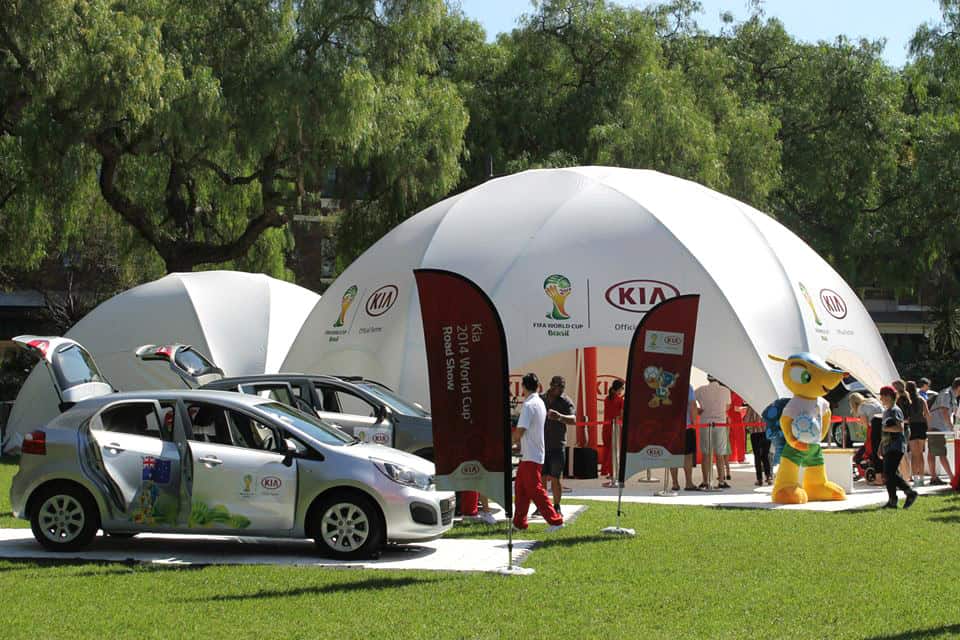
Inflatable Structures: Offering playful and eye-catching designs, inflatable structures are highly versatile for children’s zones, unique lounges, or promotional installations. They are incredibly lightweight and can be inflated quickly, providing instant shelter and visual appeal. These modular structures Acadia Valley are popular for their ease of customization and transport.
Container-Based Units: Utilizing repurposed shipping containers, these robust structures provide secure, multi-story options for offices, bars, retail spaces, or VIP areas. Container-based units offer excellent durability and can be easily modified with windows, doors, and interior finishes, providing a modern and industrial aesthetic. They are particularly suitable for urban events or installations in areas like Modular Structures Capitol Hill Denver Co.
Frame Tents with Custom Facades: Traditional frame tents can be elevated with custom facades made from various materials like wood, metal, or translucent panels. This allows for a blend of classic tent functionality with a sophisticated, architectural look, perfect for upscale weddings or corporate events. These versatile modular structures Cherry Creek Denver Co provide a blank canvas for creative design.
Tension Fabric Structures: Characterized by their sleek, curvilinear forms, tension fabric structures create elegant and dramatic spaces with minimal internal supports. The stretched fabric provides both shelter and an appealing visual element, making them ideal for large-scale stages, exhibition halls, or stylish dining areas. These structures are often seen at high-profile events and in locations such as Modular Structures Lodo Denver Co or the Rino Art District in Denver, CO.
Case Studies: Successful Outdoor Events
Modular structures have revolutionized how outdoor events are conceptualized and executed, offering flexibility and efficiency previously unattainable. Examining real-world examples highlights the practical benefits and innovative potential of these versatile constructions, much like the advantages seen in modular dorms vs traditional on campus housing for more.
These case studies showcase how modular structures maximize your event, adapting to diverse needs from large-scale festivals to intimate corporate gatherings.
Music Festival Stages
A prominent annual music festival faced the challenge of rapidly deploying and dismantling multiple stages across a vast outdoor venue. By utilizing modular structures in Acme, organizers were able to significantly reduce setup and teardown times. Understanding the differences between material options can help you make the best choice; our guide to Strohboid vs PVC structures explains the pros and cons of each.
These structures provided robust, weather-resistant platforms for performances, complete with integrated sound and lighting rigs. The modular design also allowed for easy customization of stage dimensions and aesthetic elements to match various artist requirements and branding needs.
Pop-Up Retail Experiences
For a major fashion brand launching a new collection, a series of pop-up retail experiences were created in urban centers using modular structures. These temporary showrooms featured innovative designs that attracted significant foot traffic and media attention.
The ability to quickly assemble and disassemble these bespoke retail spaces, and then transport them to different locations, proved invaluable. This agility allowed the brand to engage with diverse customer demographics across several cities within a short promotional window, demonstrating the effectiveness of modular structures in Acadia Valley and beyond, similar to how modular structures can enhance hospitality experiences.
Corporate Event Pavilions
A multinational corporation hosted its annual innovation summit in an outdoor setting, requiring several distinct pavilions for presentations, workshops, and networking. They opted for modular structures in Abee due to their clean lines and modern aesthetics, which aligned perfectly with the company’s brand image.
Each pavilion was equipped with advanced AV technology and comfortable furnishings, creating a professional and engaging environment for attendees. The ease of configuration allowed for a seamless flow between different event zones, enhancing the overall attendee experience and highlighting the benefits for hospitality experiences. Understanding the long-term value is key; our blog post on buy vs rent large event canopies can help you decide.
Outdoor Art Installations
In a public park, a temporary art exhibition utilized modular structures in Cherry Creek Denver Co to house delicate sculptures and interactive displays. These structures offered secure, climate-controlled environments while maintaining an open, accessible feel.
The adaptability of the modular components allowed for unique architectural forms that complemented the artistic vision, creating an immersive experience for visitors. This approach demonstrated how versatile modular structures in Rino Art District Denver Co can be for creative projects, much like considering whether to buy or rent large event canopies.
Festival Accommodation Zones
Large-scale festivals often struggle with providing comfortable and convenient accommodation for attendees. One festival successfully implemented dedicated glamping zones using various modular structures in Lodo Denver Co.
These structures ranged from basic sleeping pods to luxurious tented suites, offering a premium experience that enhanced attendee satisfaction and generated additional revenue. The quick deployment and robust nature of modular structures in Capitol Hill Denver Co made them ideal for the temporary nature of the festival, especially when considering the benefits of modular versus traditional tents.
Maintenance and Durability of Modular Event Structures
Ensuring the longevity and optimal performance of modular structures for outdoor events requires a proactive approach to maintenance. These structures are designed for repeated use, making durability a key factor in their value proposition. Regular inspection and proper care extend their lifespan and maintain their aesthetic appeal for successive events.
The inherent design of modular structures contributes significantly to their durability. Components are often manufactured in controlled factory environments, allowing for higher quality control and the use of robust materials. This precision engineering means they are built to withstand various environmental conditions encountered during outdoor deployment, unlike traditional tents; learn more about the benefits of modular tents vs traditional tents.
Key Maintenance Practices for Modular Structures
To maximize the operational life and appearance of your modular event structures, consistent maintenance is crucial. These practices help identify potential issues early and prevent minor wear from escalating into significant damage.
- Regular Inspections: Conduct thorough visual checks before, during, and after each event. Look for signs of wear, fatigue, or damage to structural components, fabric coverings, and connection points. This is particularly important for modular structures in Cherry Creek Denver CO, which might face diverse weather patterns.
- Cleaning and Storage: Clean all components according to manufacturer guidelines, paying attention to fabric care to prevent mildew or staining. Proper storage in a dry, protected environment is essential to safeguard against weather exposure and physical damage between uses.
- Component Replacement: Promptly replace any worn or damaged parts. Many modular systems offer easily interchangeable components, simplifying repairs and ensuring structural integrity. This keeps your modular structures in Acadia Valley ready for their next deployment, similar to how glamping domes vs event tents offer different campus solutions.
Factors Influencing Durability
Several elements contribute to the overall durability of modular structures, influencing how well they stand up to repeated assembly, disassembly, and environmental exposure.
- Material Quality: High-grade aluminum, steel, and advanced tension fabrics are commonly used, offering excellent resistance to corrosion, UV radiation, and tearing. These materials ensure that modular structures in Acme can withstand harsh conditions.
- Construction Standards: Adherence to rigorous engineering and manufacturing standards ensures that each component is robust and fits together precisely, reducing stress points and enhancing overall stability. This is vital for structures deployed in areas like modular structures in Abee.
- Design for Disassembly: Modular designs inherently facilitate easier handling and reduce the risk of damage during transport and setup. This thoughtful design minimizes wear and tear, prolonging the life of the structure. For example, modular structures in Rino Art District Denver CO are designed for efficient setup and removal.
Investing in quality modular structures in Capitol Hill Denver CO, coupled with diligent maintenance, ensures they remain a valuable asset for numerous events. Their robust nature and ease of care make them a sustainable choice for event planners, much like the considerations for buying glamping domes.
The Future of Modular Structures in Event Planning
The landscape of event planning is continually evolving, and modular structures are at the forefront of this transformation. These innovative solutions are redefining how outdoor events are conceptualized and executed, offering unparalleled flexibility and sustainability. For example, the Invicta modular system, known as The Looking Glass, provides a unique aesthetic for various event needs.
As technology advances, so too will the capabilities of these versatile units, making them an even more integral part of creating memorable experiences. The demand for adaptable and eco-friendly event solutions drives continuous innovation in this sector.
Emerging Trends in Modular Design
Several exciting trends are shaping the future of modular structures for events. We anticipate seeing more integration of smart technologies, such as automated climate control and interactive displays, directly into the modular units.
Furthermore, designers are exploring advanced materials that are lighter, stronger, and more sustainable. These developments will lead to even more rapid assembly times and reduced environmental impact. Expect to see greater use of recycled and biodegradable components, like those found in the Safari Tent Mod.
Technological Advancements
Technological advancements are rapidly enhancing the functionality and aesthetic appeal of modular structures. Digital fabrication techniques, like 3D printing, are enabling more complex and customized designs with greater precision.
The use of augmented reality (AR) and virtual reality (VR) during the planning phase allows clients to visualize their event space before construction, ensuring every detail aligns with their vision. These tools enhance collaboration and streamline the design process for modular structures, such as those found in the Wave Mod collection.
Sustainable and Innovative Event Experiences
Sustainability is no longer a niche concern but a core requirement for modern event planning. Modular structures inherently support this shift by minimizing waste and offering reusability across multiple events. For example, the innovative design of The Spa Mod showcases how these principles can be applied.
Future developments will likely focus on energy-positive designs, incorporating solar panels and other renewable energy sources directly into the structures. This commitment to eco-friendliness ensures that outdoor events can be both spectacular and responsible.
These sustainable practices extend to every stage, from manufacturing in controlled environments to efficient transportation and setup. By embracing these principles, modular structures contribute significantly to a greener event industry.
Expanding Applications and Versatility
The versatility of modular structures is continually being explored, leading to their application in diverse settings such as pop-up shops, temporary classrooms, and even emergency shelters. As the demand for flexible and adaptable spaces grows, so too does the innovation in modular design and construction, making them a key component in venues and beyond.
The versatility of modular structures means their applications will continue to expand beyond traditional event tents. We foresee their increased use in pop-up retail, temporary art installations, and unique hospitality venues.
From dynamic stages to bespoke exhibition booths, modular systems offer a scalable solution for virtually any event need. For instance, modular structures are already transforming urban event spaces.
They can create entire temporary villages for festivals or provide intimate settings for private gatherings, such as those found in Modular Structures Cherry Creek Denver Co. The ability to quickly adapt and reconfigure makes them ideal for a wide array of functions.
Furthermore, expect to see modular components used to build temporary educational facilities or emergency shelters, demonstrating their broad utility. This adaptability is key to the longevity and growth of modular structures Lodo Denver Co.
Modular Structures in Urban and Remote Settings
The future will also see more sophisticated deployments of modular structures Capitol Hill Denver Co in diverse environments. Their ability to be erected quickly in urban settings, where space is often limited, makes them invaluable for city-based events.
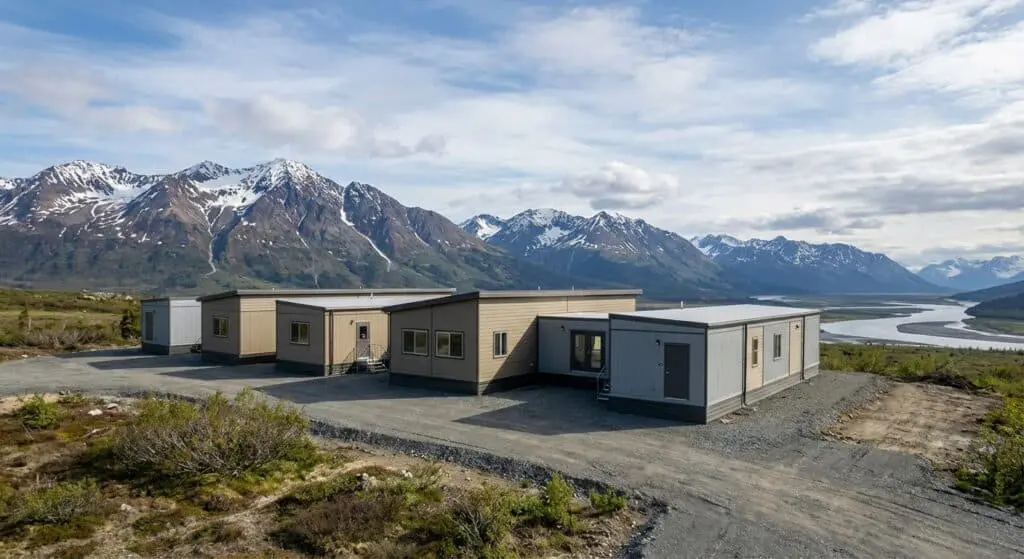
Equally, their robust design allows for deployment in remote or challenging terrains, opening up possibilities for unique destination events. This flexibility also extends to areas like the Modular Structures Rino Art District Denver Co. For more information on these versatile options, consider the Tubbo modular hospitality solutions for more.
The ease of transportation and assembly means that high-quality event infrastructure can be brought to virtually any location. This capability ensures that extraordinary events are not confined by traditional venue limitations.
Planning Your Next Event with Modular Structures
As you consider the possibilities for your upcoming outdoor event, remember the versatility and ease of use offered by our Invicta modular systems, which can be configured to suit a wide range of needs.