Modular Tents Vs. Traditional: An Overview
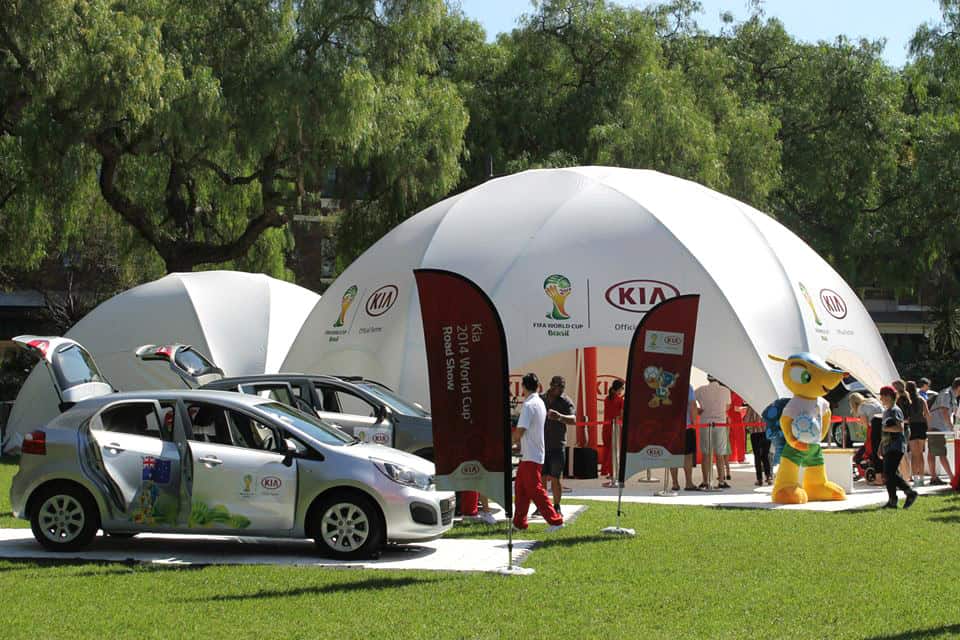
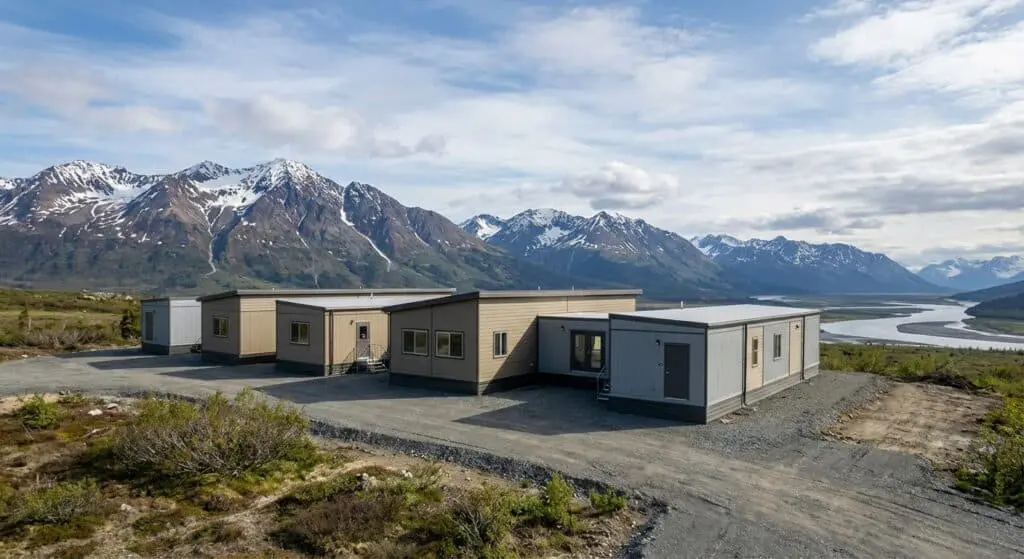
When comparing modular tents vs. traditional tents, it’s clear they offer distinct advantages and serve different purposes within the event and outdoor structure market. Modular tents are characterized by by their flexible, reconfigurable designs, allowing for scalable solutions tailored to specific needs.
Traditional tents, on the other hand, typically feature a fixed design and a more straightforward setup, making them a familiar choice for many standard events. Understanding the fundamental differences between these two types of structures is crucial for making an informed decision about which best suits your project, and you can find answers to common questions about renting large-scale event tents.
This overview sets the stage for a detailed examination of their respective benefits and drawbacks, helping you navigate the complexities of selecting the ideal tent solution for various applications, from small gatherings to large-scale industrial requirements.
What Are Modular Tents?
Modular tents are designed with adaptability in mind, allowing for easy expansion, reduction, or reconfiguration to meet evolving event needs. This flexibility makes them ideal for projects that require dynamic spatial solutions, and you can explore various modular options to suit your specific requirements.
Modular tents represent a significant evolution in temporary shelter solutions, standing in contrast to traditional designs. These innovative structures are built from interchangeable components, or “modules,” which can be combined in various ways to create highly customized layouts. This construction method allows for unparalleled flexibility, making modular tents adaptable for diverse events and applications. For more on this topic, explore our innovative modular structures for outdoor events for more.
The defining characteristic of a modular tent lies in its ability to expand, contract, or reconfigure its shape and size. Unlike fixed-dimension traditional tents, modular systems utilize standardized parts like frames, panels, and roof sections that can be easily connected. This makes them ideal for situations where space requirements might change over time, offering a dynamic alternative when considering modular tents vs conventional options for more.
Key aspects that define modular tents include:
- Interchangeable Components: These tents are designed with parts that fit together seamlessly, much like building blocks. This allows for easy assembly, disassembly, and reconfiguration.
- Scalability: A major benefit is the ability to scale the tent up or down. Need more space? Simply add more modules. Less space? Remove some sections.
- Versatile Layouts: The modular design supports a wide array of configurations, from simple rectangular structures to complex multi-room setups, including connected hallways and distinct zones.
- Customization: Beyond size and shape, modular tents often allow for customization in wall types (solid, window, transparent), door placements, and even interior divisions, providing tailored solutions for specific needs.
- Durability and Reusability: Constructed from robust materials, modular components are designed for repeated use, offering a long-term investment for rental companies or frequent event organizers.
This adaptable design is a primary factor differentiating modular tents vs their traditional counterparts, offering solutions that can evolve with the demands of an event or project. For more information on different tent types, see our guide to event tent types for more.
Understanding Traditional Tents
When comparing modular tents vs traditional tents, it’s important to first establish what traditional tents entail. These structures are characterized by their predetermined, fixed designs, often constructed from standard materials like canvas, vinyl, or polyester. Unlike their modular counterparts, traditional tents are typically built as single, integrated units with a specific size and configuration that cannot be easily altered or expanded.
The design principles of traditional tents prioritize durability and straightforward assembly for a specific purpose. They are commonly used for events, storage, or temporary shelter where the layout requirements are static. Their construction generally involves a frame of poles or trusses covered by a fabric skin, forming a complete enclosure. For a deeper dive into the differences, you can explore geodesic domes vs traditional tents for more.
Common materials found in traditional tents include heavy-duty PVC for roofing and sidewalls, or various grades of canvas and synthetic fabrics. The choice of material often depends on the intended use and desired lifespan, with some materials offering better weather resistance or fire retardancy than others.
Typical applications for traditional tents range from backyard parties and wedding receptions to industrial storage and temporary housing. While reliable for their intended function, their fixed structure provides a distinct contrast to the adaptable and reconfigurable nature of modular tents.
Key Differences: Modular Tents Vs. Traditional Tents
Understanding the fundamental distinctions between modular tents vs traditional tents is crucial for making an informed decision. This section explores the core ways these structures diverge, examining their design, assembly, scalability, and aesthetic versatility. By detailing these comparative elements, we can highlight how each tent type serves different needs and applications, including the various types of event tent fabrics available.
Design and Structure
Modular tents are characterized by their segmented design, where individual units or components can be connected to form larger, customized structures. This allows for immense flexibility in shape and size, adapting to various spatial requirements.
- Modular tents typically feature a robust frame system, often made of aluminum or steel, which supports interchangeable wall and roof panels.
- The ability to add or remove sections means these tents can be reconfigured for different events or purposes, making them highly versatile.
- For a deeper dive into the advantages of modular designs, explore our guide on innovative modular structures for outdoor events for more.
Traditional tents, conversely, often have a fixed, pre-determined structure. While they come in many styles, such as pole tents or frame tents, their basic form is generally static once erected. This fixed design means less adaptability for future changes in event size or layout.
- Traditional tents are usually designed for a specific footprint and capacity, limiting their ability to expand or shrink as needed.
- Their construction often involves fewer separate components, resulting in a cohesive, single-unit appearance.
Assembly and Installation
The assembly process for modular tents vs traditional tents presents another significant difference. Modular tents, due to their component-based nature, often require a more systematic, step-by-step installation. Each module is secured individually, allowing for precise alignment and expansion.
- Installation of modular systems can be more labor-intensive initially, but the systematic approach can streamline future reconfigurations.
- Specialized equipment might be needed to handle and connect larger modular sections securely.
Traditional tents, depending on their type, can sometimes offer quicker assembly for standard configurations. Pole tents, for instance, are known for their relatively fast setup, while larger frame tents still demand careful planning and effort. For more on different tent types, explore our guide to choosing a glamping tent.
- The straightforward nature of traditional tent designs can simplify the installation process for familiar setups.
- However, modifying a traditional tent’s size or shape post-installation is generally not feasible, unlike with modular systems.
Scalability and Versatility
Scalability is perhaps the most defining advantage of modular tents. Their design explicitly supports expansion and contraction, allowing users to adapt the tent structure to evolving needs. This means a modular tent can grow with an event or business, accommodating increased guest counts or additional functional areas over time.
- A modular tent system can start as a small canopy and gradually expand into a large complex by adding more sections.
- This inherent flexibility makes them ideal for long-term projects or organizations with dynamic space requirements.
Traditional tents, while versatile in their applications (from weddings to storage), are inherently limited in their scalability. A traditional tent purchased for a specific capacity cannot easily be made larger or smaller without acquiring an entirely new structure. For a detailed comparison, explore our insights on different event tent types for more.
- Their fixed size can be a drawback for events that anticipate growth or require varied layouts at different times.
- Once a traditional tent is chosen, its capacity and footprint are largely set, requiring a new investment if needs change significantly.
Pros and Cons of Modular Tents
Understanding the advantages and disadvantages of modular tents is crucial when comparing modular tents vs. traditional tents. These versatile structures offer significant benefits, particularly in terms of adaptability and customization, but they also come with certain considerations regarding cost and complexity.
Modular tents are designed for flexibility, allowing for various configurations and expansions. This makes them highly suitable for evolving needs or diverse event requirements. However, their sophisticated design can sometimes translate into higher initial costs and a more involved setup process compared to simpler traditional tent options. For a deeper dive into the benefits of these innovative structures, explore our guide on innovative modular structures for outdoor events for more.
| Pros | Cons |
|---|---|
| Flexibility and Scalability. Modular tents can be easily expanded or reconfigured to suit different event sizes or layouts, offering unparalleled adaptability. | Higher Initial Cost. The advanced engineering and customizable components of modular tents often result in a greater upfront investment than traditional tents. |
| Customization Options. These tents allow for a wide range of aesthetic and functional customizations, including connecting multiple units, adding specific wall panels, or integrating unique features. | Complexity of Setup. While flexible, the assembly of modular tents can be more intricate and time-consuming, potentially requiring specialized labor or equipment. |
| Durability and Longevity. Constructed with robust materials and engineered for demanding conditions, modular tents often provide superior durability and a longer lifespan. | Storage Requirements. The multiple components of modular tents can require more organized and larger storage spaces when not in use. |
| Enhanced Stability. Their interlocking frame systems often provide greater structural integrity and resistance to adverse weather conditions compared to many traditional tent designs. | Transportation Challenges. Transporting numerous modular components can sometimes be more challenging than moving a single, less complex traditional tent structure. |
For more information on the benefits and considerations of modular structures for outdoor events, explore our guide to innovative modular structures.
Modular tents offer unmatched flexibility and customization for various applications, distinguishing them from traditional tents through their adaptable design.
Pros and Cons of Traditional Tents
Understanding the advantages and disadvantages of traditional tents is crucial when considering options like modular tents vs their conventional counterparts. These tents, often characterized by their fixed designs and established construction methods, offer a distinct set of benefits and limitations that influence their suitability for various uses.
While traditional tents have been a staple for events and temporary shelters for decades, their rigid structure can present challenges in situations requiring dynamic space configurations or scalability. Conversely, their straightforward setup and often lower initial cost make them a practical choice for many standard applications. For a deeper dive into the differences, you can explore modular vs traditional site offices.
| Pros | Cons |
|---|---|
| Simplicity. Traditional tents are generally easier to set up and take down compared to complex modular systems, often requiring less specialized labor. | Limited Adaptability. Their fixed design means traditional tents cannot easily be expanded, reconfigured, or connected to other structures once erected. |
| Cost-Effective. For standard sizes and designs, traditional tents typically have a lower upfront purchase or rental cost, making them budget-friendly. | Less Versatility. Traditional tents offer fewer options for customization in terms of layout, size, and integration of additional features like complex electrical systems or specialized flooring. |
| Proven Durability. Many traditional tent designs have a long track record of reliability and performance in various weather conditions when properly maintained. | Inefficient Space Use. The internal structure of some traditional tents, especially pole tents, can obstruct interior space, limiting arrangement possibilities. |
| Wider Availability. Due to their widespread use, traditional tents are readily available from numerous suppliers and rental companies. | Slower Deployment for Large Scale. While individual units might be simple, deploying multiple large traditional tents for a sprawling event can be time-consuming and complex without modular advantages. |
| Familiarity. Most event planners and users are familiar with the basic operation and aesthetic of traditional tents, reducing learning curves. | Limited Integration. Integrating multiple traditional tents into a cohesive, weatherproof complex can be challenging, often requiring separate walkways or connectors. |
Choosing the Right Tent: Factors to Consider
When deciding between modular tents vs traditional tents, several key factors come into play. Your specific needs, event type, and long-term vision will guide you toward the most suitable option. Evaluating these elements carefully ensures that your investment aligns with your operational goals.
Consider the desired level of flexibility and the nature of the events or projects you anticipate. This comparison table outlines critical factors to help you make an informed decision for your tenting solutions, including a detailed look at innovative modular structures for outdoor events.
| Factor | Modular Tents | Traditional Tents |
|---|---|---|
| Budget (Initial Cost) | Higher upfront investment due to complex design and versatility. | Generally lower initial cost, making them budget-friendly for one-off events. |
| Flexibility & Scalability | Highly adaptable; easily expanded, reconfigured, or reduced in size. Excellent for evolving needs. | Fixed size and configuration; less adaptable to changing requirements or future expansion. |
| Event Size & Type | Ideal for large-scale, multi-zone events, long-term installations, or those requiring custom layouts. | Best suited for smaller, single-purpose events, standard gatherings, or short-term use. |
| Aesthetic & Customization | Offers extensive design options, branding opportunities, and unique architectural aesthetics. | Standard appearance with limited customization beyond basic color and sidewall options. |
| Setup & Takedown | More complex and time-consuming due to multiple components and connection points. | Simpler and faster setup for standard configurations, especially for smaller units. |
| Long-Term Investment | Designed for longevity and reusability, providing better ROI over multiple uses and projects. | Lower durability and reusability for intensive, frequent applications; better for occasional use. |
- An event that needs to expand or change layout over time.
- Situations where a structure needs to be easily relocated or reconfigured for different uses.
- Projects requiring a temporary yet highly adaptable space, such as for festivals or multi-stage events.
- For businesses looking for scalable solutions, exploring innovative modular structures for outdoor events can provide significant advantages.
- Dynamic Events: Festivals, trade shows, and corporate events often benefit from the ability to expand or reconfigure spaces quickly. Modular tents allow for the creation of unique zones for different activities, such as VIP areas, vendor booths, or performance stages.
- Long-Term Projects: Construction sites, temporary warehouses, or disaster relief operations frequently require structures that can be adapted over time. Modular tents can be easily modified to accommodate changing equipment, personnel, or storage needs.
- Custom Configurations: When a standard tent shape or size simply won’t do, modular systems shine. They can be assembled into various shapes, including L-shapes, U-shapes, or even complex multi-room layouts, to fit specific site dimensions or functional requirements.
- Frequent Changes in Layout: Businesses that host a variety of events throughout the year, each with different spatial needs, will find modular tents to be a cost-effective and efficient solution. Their reusability and adaptability reduce the need for multiple specialized structures.
After installing hundreds of systems in the coastal Florida area, our team has found that modular tents offer unparalleled adaptability for events year-round. Their robust construction, combined with their flexible design, ensures they can withstand diverse weather conditions while meeting specific operational demands. Explore the top 5 innovative modular structures for outdoor events to see how they can benefit your next project.
When to Choose Traditional Tents
While modular tents offer significant flexibility, there are distinct situations where traditional tents remain the optimal choice. Understanding these scenarios is key when weighing modular tents vs other options.
Traditional tents are particularly suited for events or applications that require a straightforward, pre-defined structure without the need for future expansion or complex customization. Their simplicity and established designs often translate to a more cost-effective initial investment, and you can learn more about different event tent types to make an informed decision.
- Fixed Event Sizes: For events with a clear and unchanging guest count or spatial requirement, traditional tents provide a reliable solution. There is no need for modularity if the size will not change.
- Budgetary Constraints: When initial cost is a primary concern, traditional tents often present a more economical entry point compared to the specialized components and engineering involved with modular tents vs their counterparts.
- Rapid Deployment Needs: Many traditional tent designs are optimized for quick setup and takedown, making them ideal for short-term events or emergency shelter where speed is paramount.
- Standard Configurations: If a basic, rectangular, or square layout is sufficient, traditional tents offer readily available options that meet these needs without overcomplicating the structure.
- Less Frequent Use: For applications where a tent is needed only occasionally and long-term adaptability isn’t a factor, the lower initial cost of a traditional tent can be more appealing.
Choosing a traditional tent means prioritizing reliability and cost-efficiency for specific, unchanging needs. This approach is effective when future scalability is not a primary concern for your setup; explore the differences between these options in our guide on modular vs traditional tents.
Maintenance and Longevity
Maintaining both modular tents vs traditional tents is crucial for maximizing their lifespan and ensuring their continued functionality. While both types require care, their maintenance routines and longevity can differ significantly due to their design and material variations.
Regular inspection for wear and tear is a common practice for all tents. However, the modular design often allows for easier replacement of individual damaged components, which can extend the overall life of the structure without needing to replace the entire tent. This contrasts with traditional tents, where damage to a major section might necessitate a more complex repair or full replacement. For more information on different tent types, explore our guide to event tent types, including a comparison of Strohboid vs PVC structures.
Modular Tent Care
Modular tents, with their segmented design, typically offer more straightforward maintenance. Each component can be cleaned, repaired, or replaced independently. This modularity means that if a single panel or frame piece is damaged, it can be swapped out without affecting the integrity of the entire structure, making them ideal for dynamic modular structures for hospitality experiences.
- Cleaning: Fabric panels can often be removed and cleaned more thoroughly.
- Storage: Components can be stored separately, which can prevent mold and mildew if one part is still damp.
- Component Replacement: Damaged parts, such as a single wall or roof section, are typically easier and more cost-effective to replace than an entire traditional tent.
Traditional Tent Care
Traditional tents, while often robust, require a more holistic approach to maintenance. Damage to any integral part, such as a large rip in the main canopy, can compromise the entire structure. Their fixed nature means repairs often need to be done in place or involve specialized patching. For large events, consider whether it’s more cost-effective to buy vs rent large event canopies.
- Cleaning: Often involves cleaning the entire tent at once, which can be cumbersome for larger structures.
- Storage: Must be completely dry before storage to prevent mildew and material degradation.
- Repair: Repairs to major sections might require professional services or careful patching to maintain structural integrity and weather resistance.
Factors Affecting Longevity
Several factors influence the lifespan of both modular tents vs traditional tents, including material quality, environmental exposure, and frequency of use. High-quality materials and proper care significantly contribute to a longer service life. For a deeper dive into tent types, consider this guide on modular vs traditional tents.
| Factor | Modular Tents | Traditional Tents |
|---|---|---|
| Material Durability | Often designed with robust, commercial-grade fabrics and frames for long-term use. | Varies widely from lightweight camping tents to heavy-duty event tents; durability depends on intended use. |
| Environmental Exposure | Resistant to prolonged exposure with proper material selection and maintenance. | Can degrade faster if exposed to harsh UV rays, extreme weather, or improper storage. |
| Frequency of Use | Built for repeated assembly and disassembly; individual component wear can be addressed. | Constant setup and takedown can stress seams and fabric, leading to faster wear. |
| Maintenance Impact | Component replacement can significantly extend overall life. | Regular full inspections and preventative repairs are key to avoiding total replacement. |
Ultimately, while modular tents may offer advantages in terms of component-level maintenance and repair, the longevity of any tent, whether modular or traditional, hinges on consistent care and appropriate usage for its design. Exploring different types of event tents can help you understand these distinctions better, and for a cost perspective, you might want to review the analysis on buying vs. renting large event canopies.
Making Your Final Decision
When considering modular tents vs traditional tents, making the final decision involves a careful evaluation of your specific requirements and future plans. This structured approach helps ensure that your chosen tent aligns perfectly with your needs, whether for a one-time event or a long-term installation, and exploring innovative modular structures for outdoor events can provide valuable insights.
Assess Your Scalability Needs: How likely is it that your space requirements will change over time? Modular tents excel in situations demanding future expansion or reconfiguration, allowing you to add or remove sections as needed. Traditional tents, conversely, are typically fixed in size and layout. For more on this, explore our modular vs traditional tents comparison.
Evaluate Customization Requirements: Do you need unique layouts, branding opportunities, or specialized interior divisions? Modular tents offer extensive customization options, making them ideal for complex designs. Traditional tents, while functional, provide fewer opportunities for bespoke arrangements.
Consider Your Budget and Long-Term Investment: While modular tents might have a higher initial cost, their adaptability and potential for reuse across various applications can offer significant long-term value. For simpler, one-off events, traditional tents might present a more budget-friendly upfront option.
Analyze Installation and Dismantling Efficiency: For projects with tight schedules or frequent relocations, consider the ease and speed of setup and takedown. Modular systems are often designed for efficient assembly, whereas traditional tents can vary widely in their installation complexity.
Review Durability and Weather Resistance: Both modular and traditional tents are available in various grades of durability and weather resistance. Ensure the chosen tent type and materials are appropriate for the environmental conditions and the expected lifespan of your project.
Modular Tents Vs. Traditional: The Takeaway
When considering modular tents vs traditional tents, the optimal choice ultimately depends on your specific requirements and priorities. Each tent type offers distinct advantages, making them suitable for different applications.
Modular tents excel in situations demanding flexibility, scalability, and frequent reconfigurations. Their ability to expand, contract, and adapt to diverse site conditions provides unparalleled versatility for dynamic events or long-term projects. For more on this, explore our innovative modular structures for more.
Traditional tents, on the other hand, often present a more straightforward and cost-effective solution for standard, fixed setups. They are typically easier to deploy for single events where the footprint and configuration are well-defined from the outset.
To make an informed decision between modular tents vs traditional options, carefully assess your budget, the intended duration of use, the nature of the event, and any future expansion possibilities. Understanding these factors will guide you toward the tent solution that best meets your needs.