Event Canopy Options: Buy or Rent
Deciding between buying or renting an event canopy is a common challenge for event planners and businesses alike. This decision significantly impacts both your budget and the logistical planning for any outdoor gathering.
Understanding the financial implications and practical considerations of each option is crucial for making an informed choice. This guide will help you navigate the various factors involved in acquiring an event canopy, and if you’re considering renting, you might find answers to common questions about large-scale event tents helpful. For those looking at more permanent solutions, exploring innovative modular structures for outdoor events might be beneficial.
Whether you’re organizing a one-time celebration or planning multiple large-scale events, a detailed cost analysis will ensure you select the most suitable and financially sound solution for your specific needs.
What is an Event Canopy?
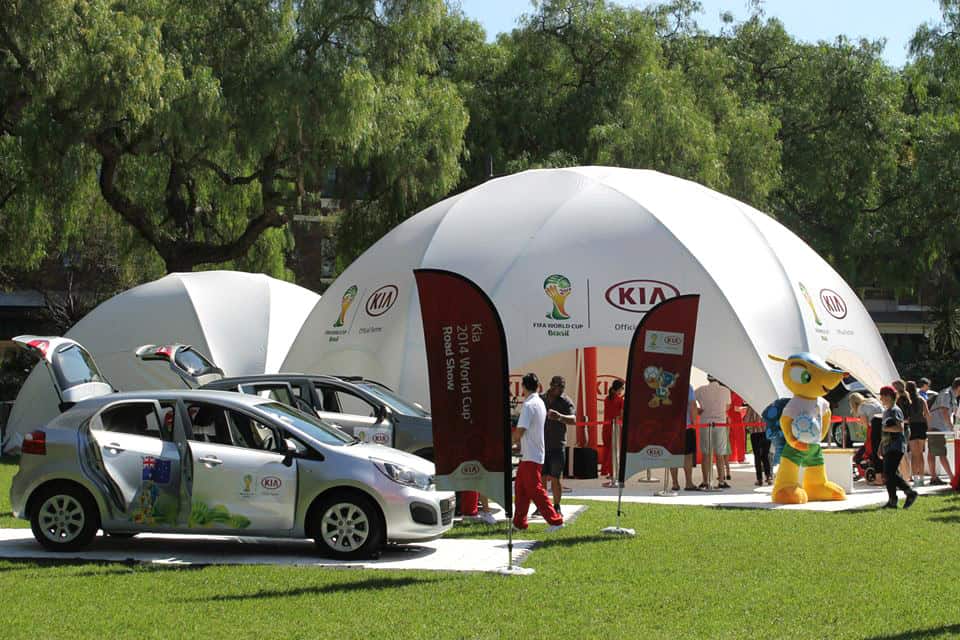
An event canopy is a versatile, temporary structure designed to provide shelter and a designated space for various outdoor gatherings. This essential item creates a comfortable environment, protecting guests and equipment from sun, rain, and other elements, making it a critical component for successful events.
These structures range from small, portable pop-up tents to large, semi-permanent installations, adapting to different needs and scales. The primary function of an event tent type is to offer practical shelter while also contributing to the aesthetic and functional organization of an event space.
Event canopies are utilized for a wide array of occasions, highlighting their importance and utility. Their adaptability makes them suitable for both personal and commercial use, ensuring events can proceed smoothly regardless of weather conditions.
Common Uses for Event Canopies
- Weddings and Receptions: Canopies provide elegant settings for ceremonies and dining.
- Corporate Events: They offer professional spaces for conferences, product launches, and company picnics.
- Festivals and Fairs: These structures create vendor booths, performance stages, and shaded areas for attendees.
- Backyard Parties: Canopies enhance casual gatherings by providing comfort and a festive atmosphere.
- Sporting Events: They serve as registration areas, first aid stations, or team shelters.
The importance of an event canopy extends beyond mere shelter; it establishes the mood and functionality of an outdoor venue. Selecting the right type and size is crucial for any organized gathering, ensuring guests remain comfortable and operations run efficiently, much like when considering geodesic domes versus traditional tents for your setup.
Ultimately, an event canopy acts as a foundational element, transforming open spaces into functional, inviting venues. Understanding its role helps in planning and executing memorable events, providing a valuable asset that caters to diverse requirements.
Cost Breakdown: Buying an Event Canopy
When considering the purchase of an event canopy, it’s important to weigh the benefits of buying versus renting. Our guide on buy vs rent canopies can help you determine the most cost-effective solution for your needs.
Purchasing an event canopy involves a significant initial investment, but it offers long-term benefits for frequent users. The total cost can vary widely based on several factors, including the size, material quality, and specific features of the canopy. Understanding these components is crucial for budgeting effectively and making an informed decision.
Beyond the sticker price, potential owners must also consider additional expenses such as shipping, accessories, and potential customization. These elements can add substantially to the overall cost of acquiring an event canopy.
Initial Investment Factors
The upfront cost of an event canopy is influenced by its specifications. Larger canopies naturally cost more due to increased material and manufacturing expenses. Similarly, canopies made from durable, weather-resistant materials or those with specialized features will command a higher price. For a deeper dive into material choices, explore our guide on understanding different types of event tent fabrics for more.
- Size and Dimensions: Larger canopies suitable for big events will have a higher base price.
- Material Quality: Heavy-duty vinyl or commercial-grade polyester fabrics offer greater durability but come at a premium.
- Frame Type: Steel or aluminum frames vary in cost, with aluminum often being lighter and more expensive.
- Special Features: Elements like clear-span designs, integrated lighting, or advanced ventilation systems increase the price.
Cost Table for Common Event Canopy Types
This table illustrates the approximate cost ranges for various types of event canopies. These figures represent the canopy structure itself and may not include all accessories or installation services.
| Canopy Type | Approximate Cost Range |
|---|---|
| Pop-Up Canopy (10×10 ft) | $100 – $500 |
| Small Frame Tent (20×20 ft) | $800 – $3,000 |
| Medium Frame Tent (20×40 ft) | $1,500 – $6,000 |
| Large Pole Tent (40×80 ft) | $5,000 – $15,000+ |
| Clear-Span Structure (custom sizes) | $10,000 – $50,000+ |
It’s important to remember that these are general estimates, and actual prices can fluctuate based on suppliers, brand, and current market conditions. Always request detailed quotes for an accurate assessment of the cost for your specific event canopy needs.
Understanding Rental Costs for Event Canopies
When planning an event, understanding the pricing structure for renting an event canopy is crucial for effective budgeting. Rental costs are influenced by several factors, making it essential to obtain detailed quotes and compare options. Unlike purchasing, renting provides flexibility and eliminates concerns about storage or long-term maintenance. For more details on rental considerations, explore our common questions about renting large-scale event tents for more.
The total cost for an event canopy rental typically includes more than just the structure itself. It often encompasses delivery, setup, and teardown services, which can significantly impact the final price. Knowing these contributing elements beforehand helps in making an informed decision about your event’s needs.
Here are key factors that influence the pricing of an event canopy rental, including a discussion on whether to buy vs rent large event canopies to understand the financial implications. For a deeper dive into different structure types, explore our guide on Strohboid vs PVC structures for more.
- Duration of rental. Most rentals are priced daily, but longer periods often come with discounted rates.
- Size of the canopy. Larger canopies require more materials and labor for setup, directly increasing the cost.
- Type of canopy. Different styles, such as frame tents, pole tents, or pop-up canopies, have varying manufacturing and setup complexities, affecting their rental price.
- Additional services. This can include professional setup and teardown, delivery and pickup fees, and the provision of lighting, flooring, or climate control systems.
- Location of the event. Delivery distances and site accessibility can add to the overall cost.
- Time of year/demand. Peak seasons for events, such as summer or holidays, may see higher rental prices due to increased demand.
- Customization or branding needs. If you require specific colors, logos, or unique configurations for your event canopy, these custom elements will increase the rental fee.
Long-Term Value: When Buying Makes Sense
For events or businesses requiring a more permanent or frequent structure, purchasing a canopy might be more cost-effective in the long run than renting. Consider exploring options like creative structures that offer durability and reusability.
For individuals and organizations hosting frequent events, investing in an event canopy can offer substantial long-term financial benefits. While the initial purchase cost might seem higher than a single rental, ownership becomes significantly more economical over time, especially for recurring needs. To understand the financial implications of purchasing versus renting, consider our guide on buy vs rent canopies. For more on innovative options, explore our article on modular structures for outdoor events for more.
Our team has assisted countless clients in the regional events sector and found that frequent users of an event canopy often see significant long-term savings by purchasing. This is particularly true for businesses, community groups, or individuals who host multiple gatherings, festivals, or markets throughout the year. Each rental fee saved directly contributes to the canopy paying for itself.
Strategic Investment for Consistent Needs
When you frequently require a reliable shelter for outdoor activities, buying an event canopy transforms it from an expense into an asset. You gain complete control over its availability, customization, and quality, eliminating the need to coordinate with rental companies for every occasion. This strategic investment ensures your events always have the necessary infrastructure.
Consider the cumulative cost of renting a large event canopy multiple times annually. Over several years, these rental fees can easily surpass the purchase price of a high-quality, durable unit. For a comprehensive comparison, review our guide to buying vs renting canopies to understand the various factors involved in each option, much like when you need to choose a glamping tent for your business.
Benefits of Event Canopy Ownership
- Cost Savings: Eliminate recurring rental fees, leading to significant savings over numerous events.
- Immediate Availability: Your event canopy is always ready when you need it, avoiding scheduling conflicts or last-minute availability issues.
- Customization: Personalize your canopy with branding, specific features, or aesthetic modifications that reflect your organization or event theme.
- Quality Control: You maintain control over the canopy’s condition and can perform maintenance to ensure its longevity.
- Depreciation as a Business Expense: For businesses, the purchase of an event canopy can often be claimed as a depreciating asset, offering potential tax advantages.
Purchasing an event canopy is a smart choice for those with ongoing event requirements. It provides not only financial efficiency but also peace of mind and flexibility for all your future gatherings. Understanding the various event tent types can help you select the most suitable option for your needs.
Flexibility and Scalability: When Renting is Ideal
Renting an event canopy often proves to be the most practical and cost-effective solution, especially when flexibility and scalability are paramount. This approach is particularly beneficial for organizations or individuals who host events infrequently or whose event requirements change regularly.
One significant advantage of renting is the ability to adapt to varying event sizes and styles without a large upfront investment. For a single event, renting eliminates the need for storage, maintenance, and the eventual disposal of a canopy, unlike permanent structures such as a dome versus tent design.
Adaptability for Diverse Needs
When considering different event structures, it’s helpful to compare options like a dome versus tent design to understand their unique benefits.
Renting offers unparalleled adaptability. If your event calendar includes a small community gathering one month and a large corporate function the next, renting allows you to select the exact size and style of event canopy needed for each specific occasion. You can explore various event tent types to find the perfect fit, similar to how you might consider modular wellness units for different resort needs.
You avoid being tied to a single asset that might be too small for some events or excessively large and costly for others. This flexibility ensures you always have the right solution.
Reduced Operational Burdens
Choosing to rent an event canopy significantly reduces the operational burden on your team. Rental companies typically handle the transportation, setup, and takedown of the canopy, freeing up your resources to focus on other critical aspects of event planning, such as exploring options for a luxury escape.
Furthermore, rental agreements often include maintenance and repair clauses, transferring the responsibility for wear and tear, cleaning, and structural integrity to the rental provider.
Financial Considerations for Short-Term Use
For one-off events or those that occur only a few times a year, renting is almost always more financially sensible than purchasing. The initial cost of buying a high-quality event canopy, along with ongoing expenses like storage, cleaning, and potential repairs, can quickly outweigh the cost of a rental.
Renting allows for predictable, event-specific budgeting, avoiding unforeseen expenditures associated with ownership. It also frees up capital that can be allocated to other essential event elements, much like how modular dorms offer a flexible and cost-effective housing solution.
Factors Influencing Your Decision
Deciding whether to buy or rent an event canopy involves careful consideration of several key factors. This section provides a detailed analysis to help you make an informed choice tailored to your specific circumstances, ensuring you select the most cost-effective and practical solution for your needs. Understanding the differences between materials, such as those discussed in a Strohboid vs PVC structures guide, can significantly impact your decision.
Event Frequency and Usage
The frequency with which you anticipate using an event canopy is a primary driver in determining whether purchasing or renting makes more sense. For those who need a canopy for a single event or only a few times annually, renting is typically the more economical choice. However, if you plan to use the canopy regularly for frequent events, exploring the option to buy might become more cost-effective over time. To understand the financial implications of buying versus renting, consider reviewing our guide on buy vs rent large event canopies.
The frequency with which you plan to use an event canopy is often the most significant determinant in your decision. For a single event or occasional use, renting typically presents a more economical option. For those considering more permanent or frequently used structures, exploring modular structures for hospitality experiences can offer valuable insights.
- One-Time Event: If you only need a canopy for a solitary occasion, renting eliminates the burden of storage, maintenance, and the initial purchase cost.
- Infrequent Use (1-3 times per year): Renting remains a strong contender. The cost of renting multiple times might still be less than purchasing, especially for larger, more specialized event canopy structures.
- Frequent Use (4+ times per year): For businesses or individuals hosting numerous events, purchasing an event canopy often proves to be a wise investment over time. The per-use cost diminishes significantly, and you gain full control over availability and customization.
Budget and Financial Planning
Your available budget plays a crucial role in determining the feasibility of buying versus renting. It’s essential to consider both upfront costs and long-term financial implications for an event canopy. For a detailed breakdown of the financial considerations, review our guide on buy vs rent canopies for more.
- Upfront Costs: Renting requires a lower initial outlay, typically covering the rental fee, delivery, setup, and teardown. Buying an event canopy involves a substantial initial investment for the canopy itself, plus potential costs for accessories, storage, and specialized equipment.
- Long-Term Expenses: When renting, you avoid expenses like cleaning, repairs, and off-season storage. Owners, however, must factor in ongoing maintenance, potential repair costs, and secure storage solutions to protect their investment.
- Return on Investment (ROI): For frequent users, a purchased event canopy can yield a strong ROI as it becomes an asset that reduces recurring rental fees. For infrequent users, renting avoids tying up capital in an underutilized asset.
Storage, Maintenance, and Logistics
The practicalities of owning or renting an event canopy extend beyond just the financial aspects. Consider the logistical demands associated with each option, and explore our guide to buy vs rent canopies to understand the long-term implications. When considering different tent styles, understanding the differences between modular vs traditional tents can help you make an informed decision.
- Storage Needs: A purchased event canopy requires adequate, secure, and climate-controlled storage space to protect it from damage and prolong its lifespan. Renting eliminates this concern, as the rental company handles all storage.
- Maintenance and Cleaning: Owners are responsible for cleaning, inspecting, and repairing their event canopy after each use. Rental services include these maintenance tasks, saving you time and effort.
- Transportation and Setup: Rental companies often provide delivery, professional setup, and teardown services, ensuring the event canopy is correctly installed and removed. If you buy, you’ll need to arrange for transportation and potentially hire a crew for setup, especially for larger structures.
Event Type and Customization Needs
The nature of your events and any specific branding or aesthetic requirements can also guide your decision for an event canopy. For instance, if you need a structure that can be easily customized or adapted for different themes, exploring various event tent types might be beneficial, such as comparing modular tents versus traditional tents for more.
- Event Variety: If your events vary significantly in size, style, or location, renting offers the flexibility to choose different types and sizes of canopies each time. Purchasing might limit you to one specific size or style.
- Branding and Customization: For businesses that consistently use an event canopy for marketing or brand promotion, owning allows for permanent customization with logos, colors, and specific designs. While some rental companies offer customization, it’s typically an additional cost and may not be permanent.
- Professional Appearance: Rental companies often provide well-maintained, high-quality event canopy options that project a professional image. If buying, you must commit to meticulous maintenance to ensure your canopy always looks its best.
Maintenance and Care for Your Event Canopy
Proper maintenance and care are crucial investments for any event canopy owner. By diligently following recommended procedures, you can significantly extend the lifespan of your structure, ensuring it remains a valuable asset for years to come. Neglecting maintenance can lead to premature wear and tear, costly repairs, or even the need for early replacement. Understanding the different types of event tent fabrics can also help in choosing the most durable and easy-to-maintain option for your needs, similar to how one might compare glamping domes vs event tents for campus solutions.
Taking the time to care for your event canopy not only preserves its aesthetic appeal but also guarantees its structural integrity and safety for future events. This proactive approach saves money in the long run and helps avoid unexpected issues.
Here are essential maintenance steps for an owned event canopy:
- Thoroughly clean after each use, removing all dirt, debris, and stains.
- Ensure the canopy is completely dry before storage to prevent mold and mildew growth.
- Inspect for tears, rips, or structural damage regularly, paying close attention to seams and stress points.
- Store in a cool, dry place away from direct sunlight and pests, using proper bags or containers.
- Repair minor damage promptly to prevent it from worsening and compromising the canopy’s integrity.
- Follow the manufacturer’s specific care instructions, as different materials and designs may have unique requirements.
Choosing the Right Size and Style
When selecting an event canopy, consider the various event tent types available to suit your specific needs and the nature of your event.
Selecting the correct size and style for your event canopy is crucial for the success and comfort of any gathering. The right canopy not only provides shelter but also enhances the aesthetic appeal of your event space. Begin by considering the expected number of guests and the activities planned under the canopy. For those looking for unique outdoor structures, understanding the considerations for glamping domes can offer inspiration for innovative event designs.
For example, a small family gathering will require a much different event canopy than a large corporate function. Factors like seating arrangements, stages, dance floors, or food service areas all influence the overall footprint needed. Accurately estimating these requirements prevents overcrowding and ensures a pleasant experience for everyone.
Determining Event Canopy Size
The size of your event canopy is primarily dictated by the number of attendees and the layout of your event. A good rule of thumb is to allow approximately 10-15 square feet per person for standing events, and 15-20 square feet per person for events with seating and tables. For more detailed guidance on selecting the right tent, consult our event tent types guide.
Additional space should be factored in for stages, buffets, or other features. Always round up your estimates to ensure ample room, especially if unexpected guests arrive or if you want to provide more comfortable spacing. For detailed guidance, our resource on event canopy buying vs. renting offers more insights.
Guest Count: Estimate the maximum number of people who will be under the canopy at any given time.
Activity Space: Account for specific areas like dining, dancing, a bar, or a performance stage.
Furniture and Equipment: Measure the space required for tables, chairs, decorations, and any other necessary equipment. For a unique aesthetic, consider the innovative design of the looking glass.
Buffer Room: Add extra space for walkways and comfortable movement.
Selecting the Right Style
The style of your event canopy should align with the overall theme and formality of your event. From classic pole tents to modern frame structures, each style offers distinct advantages in terms of aesthetics, setup, and functionality. Consider the visual impact you wish to create, as well as practical aspects like site conditions and weather resilience. For a comprehensive overview of different tent types, explore our event tent types guide.
A clear-span event canopy, for instance, offers an unobstructed interior, ideal for large-scale productions or intricate decor. Conversely, a traditional pole tent can evoke a more classic or rustic ambiance, such as the unique aesthetic found in the Safari Tent Mod. Choosing a style that complements your event’s vision will enhance the atmosphere and leave a lasting impression. For a comprehensive overview of different tent types, consult our quick guide to event tent types.
Frame Tents: Offer clear, open interiors with no center poles, making them versatile for various layouts. They are suitable for nearly all surfaces.
Pole Tents: Characterized by elegant peaks and supported by central poles, these tents are often chosen for their classic, dramatic look and are best suited for soft surfaces where staking is possible.
Pop-Up Canopies: Ideal for smaller, informal events or as vendor booths. They are easy to set up and transport, providing quick shelter.
High Peak Tents: Combine elements of both frame and pole tents, offering a spacious interior with an attractive, elevated peak design.
Conclusion: Your Best Event Canopy Decision
Deciding whether to buy or rent an event canopy hinges on a careful evaluation of your specific needs and long-term goals. While renting offers convenience and flexibility for one-time or infrequent events, purchasing an event canopy can be a wise investment for regular users, providing greater customization and cost savings over time.
Consider the frequency of use, storage availability, maintenance capabilities, and the desire for brand consistency. For businesses or individuals hosting multiple events throughout the year, ownership often proves more economical. However, for unique occasions or experimental setups, renting removes the burdens of upkeep and storage.
Ultimately, your best decision will align with your budget, event schedule, and operational capacity. By weighing the initial investment against ongoing costs and benefits, you can confidently choose the optimal solution for your next event.