Understanding the Temporary Event Structure
Setting up an event structure is a multifaceted process crucial for the success of any gathering, from intimate celebrations to large-scale festivals. These temporary structures provide essential shelter, ambiance, and functionality, transforming any location into a viable event venue. Understanding the intricacies of these setups ensures a seamless experience for organizers and attendees alike.
The versatility of temporary event structures allows for diverse applications, adapting to various themes and logistical requirements. Whether it’s for a corporate launch, a wedding, or a concert, these structures can be customized to meet specific needs, providing both aesthetic appeal and practical solutions. Explore how to maximize your event with modular structures for enhanced flexibility.
Choosing the right structure involves considering factors such as expected attendance, weather conditions, and the overall vision for the event. A comprehensive guide to premium event structures can help in making informed decisions. Various event tent types are available, each offering unique advantages.
What is an Event Structure?
An event structure encompasses all the physical elements and organizational frameworks that support an event, ensuring its smooth operation and successful execution. This includes everything from the main tent or venue to seating arrangements, stage setups, and utility provisions. The core purpose is to create a functional and inviting environment that aligns with the event’s objectives.
The structure of an event goes beyond just physical components; it also involves the logistical planning and coordination required to bring these elements together. This integrated approach ensures that every aspect, from design to execution, contributes to the overall success. Our premium event structure guide offers insights into comprehensive planning.
Different types of events necessitate different structural considerations, making adaptability a key feature of modern event planning. For example, the requirements for a music festival will differ significantly from those of a corporate gala. Understanding event tent types is essential for proper selection, and exploring creative structures can inspire unique designs. Effectively managing modular structures is crucial for large-scale events.
Key Components of an Effective Event Structure
An effective event structure relies on several critical components working in harmony to ensure safety, functionality, and an engaging atmosphere. These elements are vital for addressing the practicalities of hosting an event and creating memorable experiences for attendees.
After setting up hundreds of temporary event structures in various climates, we’ve found that proper site assessment in the local area is paramount to ensure stability and attendee comfort.
Site Assessment and Preparation
Thorough site assessment is the foundational step in any event structure setup. This involves evaluating the chosen location for its suitability, including terrain, accessibility, and utility hookups. Proper preparation minimizes unforeseen issues during installation and the event itself, ensuring a safe and stable environment. Considerations like modular tent installation time are important here.
Structural Integrity and Safety
The integrity of the event structure is paramount for the safety of everyone involved. This includes selecting appropriate materials, ensuring correct assembly, and adhering to all relevant safety regulations and building codes. Whether opting for Strohboid vs. PVC structures, material quality is a significant factor. Regular inspections are crucial to maintain safety standards throughout the event.
Logistics and Utility Management
Efficient logistics and utility management are essential for a smoothly running event. This covers power distribution, waste management, sanitation facilities, and proper climate control within the structures. Planning for these aspects early on helps avoid disruptions and ensures attendee comfort. Comparing modular tents vs. traditional tents can also influence logistical needs, as can the decision to buy or rent an event canopy.
Types of Event Structures: From Simple to Complex
The world of event structures offers a diverse range of options, each designed to cater to specific event scales, styles, and functional requirements. From intimate gatherings to sprawling festivals, selecting the right type of structure is crucial for defining the event’s atmosphere and ensuring logistical success.
Understanding the variety of available structures helps organizers make informed decisions that align with their vision and budget. For example, comparing a dome vs. tent design can significantly impact the aesthetic and functional outcome. The overall event tent types available are extensive and varied.
- Frame Tents. These versatile structures offer open interiors without central poles, providing maximum usable space for various layouts.
- Clearspan Structures. Known for their robust aluminum frames and clear span interiors, these are ideal for large-scale events requiring unobstructed views and flexible design.
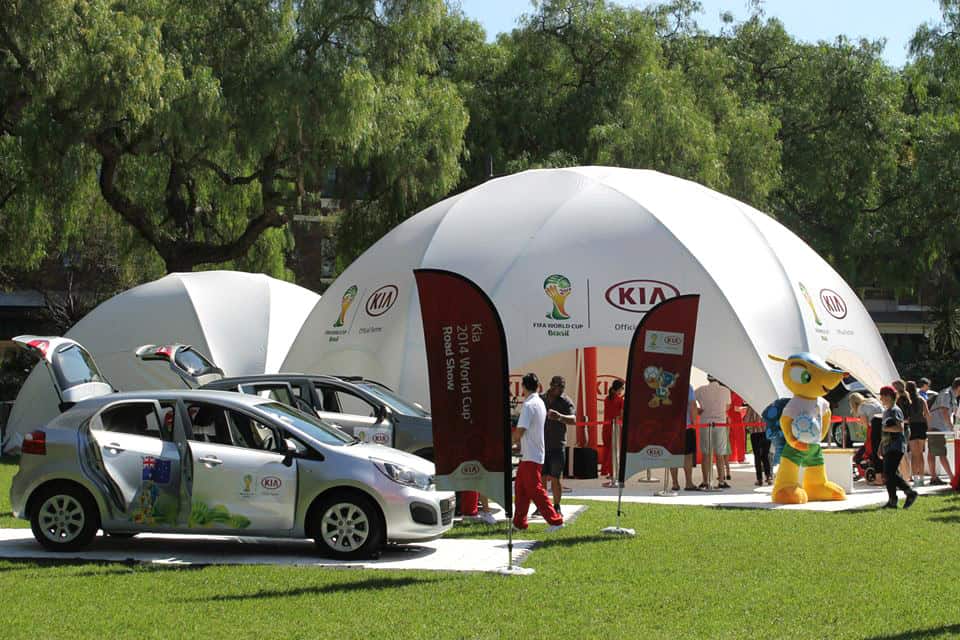
- Dome Structures. Geodesic domes provide a unique aesthetic and superior structural integrity, often used for immersive experiences and unique venues. Exploring stadium dome tents highlights their grand applications.
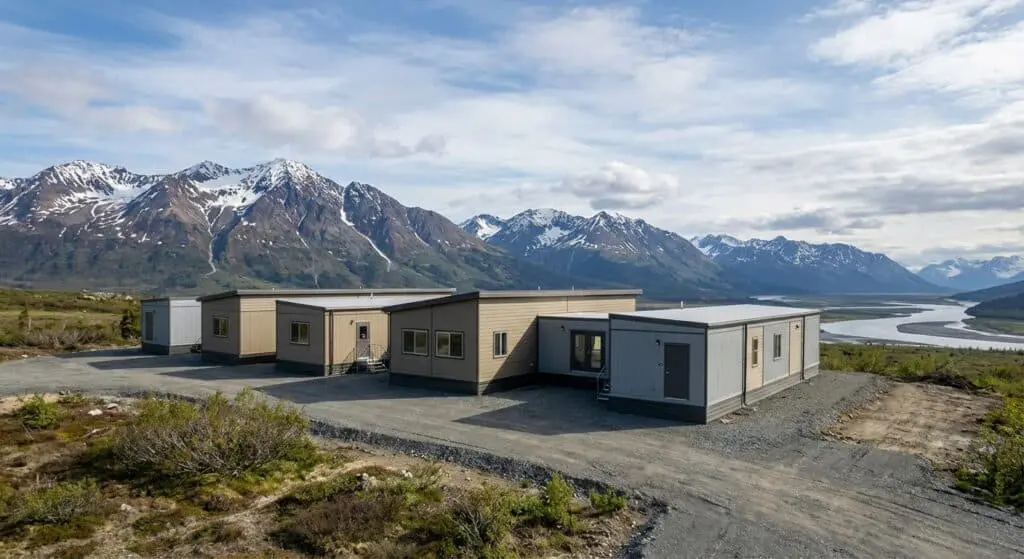
- Modular Buildings. These offer a more permanent feel with hard walls and customizable interiors, perfect for longer-term installations or specialized event requirements.
- Pagoda Tents. Characterized by their distinctive pointed roofs, pagoda tents add an elegant touch to smaller gatherings or serve as entryways and VIP areas.
- Inflatable Structures. Quick to deploy and visually striking, inflatable structures are often used for promotional events, temporary shelters, or children’s activity zones.
Considering the specific creative structures available helps to create a truly memorable experience, ensuring the event’s physical structure perfectly complements its purpose.
The 5 Stages of Event Management & Structure
Effective event management is a cyclical process involving several distinct stages, each of which directly influences the overall event structure and its successful execution. Understanding these stages is fundamental for anyone planning to host a successful event.
These stages provide a framework for organizing complex tasks, allocating resources efficiently, and mitigating potential challenges, thereby shaping the physical and operational event structure in event management.
- Research and Feasibility. This initial stage involves defining the event’s objectives, target audience, and potential scope. It directly impacts the size, type, and location of the event structure needed.
- Design and Conceptualization. Once objectives are clear, the design phase focuses on creating the event’s theme, layout, and aesthetic. This stage dictates the specific structural elements, decor, and spatial planning. Our guide to 2025 wedding trends can offer inspiration for this stage.
- Planning and Preparation. This stage involves detailed logistical arrangements, including vendor selection, budgeting, permitting, and scheduling. It directly influences aspects like modular tent installation time and procurement of necessary equipment. Deciding to buy vs. rent large event canopies is also part of this stage.
- Coordination and Execution. During this phase, all planned elements are brought to life. This involves managing on-site logistics, supervising setup and breakdown, and overseeing all operational aspects of the event structure.
- Evaluation and Review. After the event concludes, this stage involves assessing its success against the initial objectives, gathering feedback, and identifying areas for improvement. This valuable information informs future event structure planning and management strategies.
Best Practices for Designing Event Structures
Designing effective event structures requires a thoughtful approach that balances creativity with practicality, ensuring both aesthetic appeal and operational efficiency. Adhering to best practices is crucial for creating structures that are safe, functional, and visually appealing.
From initial concept to final execution, attention to detail and proactive planning can prevent many common pitfalls. Understanding how to use event structure in various hospitality experiences is key.
| Do’s | Don’ts |
|---|---|
| Do conduct a thorough site assessment for ground conditions and access. | Don’t overlook local permitting and zoning regulations. Consult our guide on zoning for glamping for related information. |
| Do prioritize safety with high-quality materials and professional installation. | Don’t compromise on structural integrity to cut costs. |
| Do plan for efficient power, water, and waste management systems. | Don’t neglect accessibility for all attendees, including those with disabilities. |
| Do design with flexibility in mind to adapt to changing needs or weather. | Don’t forget branding opportunities; consider custom event tents for visibility. |
| Do consider the environmental impact and sustainable material choices. | Don’t underestimate the importance of sustainable creative structures in modern events. |
Challenges in Event Structuring & Solutions
Event structuring, while rewarding, often comes with its share of challenges that can impact timelines, budgets, and the overall success of an event. Anticipating these hurdles and having proactive solutions in place is essential for effective planning and execution.
Addressing these challenges head-on ensures that the event structures remain robust and functional throughout the event duration, providing a stable environment for all activities.
Weather Variability
Unpredictable weather conditions, such as high winds, heavy rain, or extreme temperatures, pose significant challenges to outdoor event structures. Solutions include selecting structures designed to withstand diverse climates, such as those with reinforced frames and weather-resistant fabrics. Additionally, having contingency plans for indoor alternatives or robust heating/cooling systems is crucial. The choice between glamping domes vs. canvas tents can also impact weather resilience.
Logistical Complexity
Coordinating multiple vendors, managing equipment transport, and adhering to strict installation schedules can be complex, especially for large-scale events. Streamlining communication channels, utilizing project management software, and engaging experienced logistics teams can mitigate these issues. Deciding between modular vs. traditional tents also impacts logistical planning. Furthermore, modular construction methods, as seen in modular dorms, can offer simplified installation.
Budget Constraints
Sticking to a budget while delivering a high-quality event structure can be a tightrope walk. Solutions involve meticulous budget planning, exploring cost-effective material options without compromising safety, and negotiating favorable terms with suppliers. Renting equipment rather than buying outright can also be a viable strategy to manage expenses.
Tools for Event Structure Development
The successful development and management of event structures increasingly rely on a suite of specialized tools and technologies. These resources enhance efficiency, improve accuracy, and facilitate better collaboration among event organizers and suppliers.
From initial design concepts to on-site implementation, leveraging the right tools can significantly streamline the entire process, ensuring that every event structure is executed flawlessly. These tools help in optimizing planning and ensuring a smooth setup.
- CAD Software. Computer-Aided Design (CAD) programs are indispensable for creating detailed blueprints and 3D models of event structures, allowing for precise planning and visualization.
- Project Management Platforms. Tools like Asana or Trello help in organizing tasks, tracking progress, and facilitating communication among team members and vendors, ensuring everyone stays on schedule.
- Site Surveying Equipment. Advanced surveying tools, including drones and laser scanners, provide accurate topographical data for site assessment, crucial for safe and stable structure placement.
- Inventory Management Systems. These systems help track equipment, materials, and supplies, ensuring everything is available when needed and preventing shortages or over-ordering.
- Modular Design Systems. Utilizing modular components, often seen in innovative modular resort design, simplifies assembly and disassembly, offering greater flexibility and faster setup times. These are also applied in modular wellness units for spas.
- Custom Branding Tools. Software and services for designing custom branded tents ensure that event structures also serve as powerful marketing platforms.
Your Next Steps in Event Structure Planning
Successfully setting up an event structure requires careful planning and strategic decision-making. By understanding the various components, types, and stages involved, you are better equipped to create a memorable and effective event.
Consider the insights shared to guide your next project, ensuring both functionality and aesthetic appeal. If you’re looking to rent premium event structures or need help deciding whether to buy or rent an event canopy, professional guidance can be invaluable.
Explore resources like the North America buyer’s guide for glamping tents or the Posh Outdoors Glamping information to further refine your choices. Our team is ready to assist you in selecting the ideal solutions for your specific event needs.