What is Modular Resort Design?
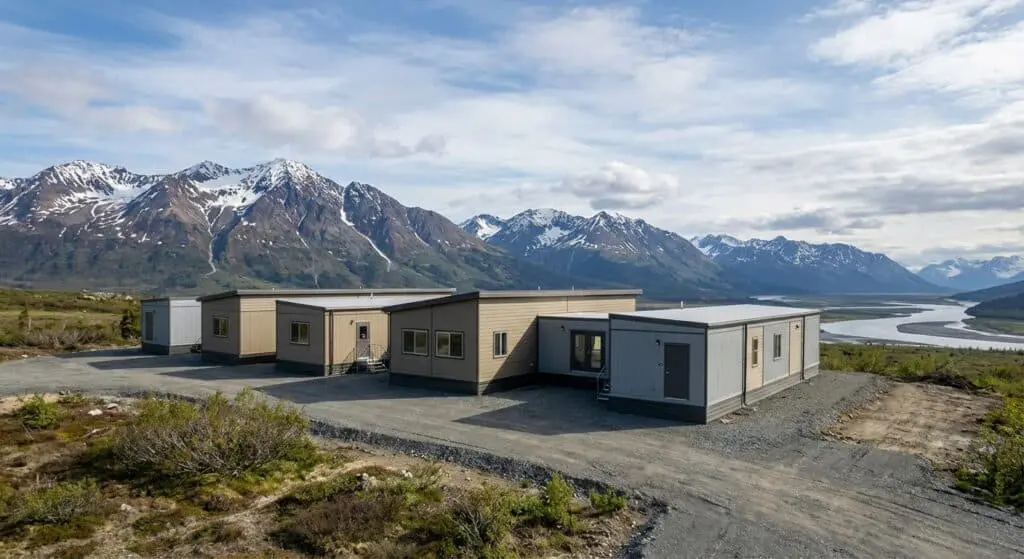
Modular resort design revolutionizes hospitality construction by prefabricating individual units or sections of a building off-site in a controlled factory environment. These modules are then transported to the resort location and assembled, significantly streamlining the construction timeline. This innovative approach allows for precise quality control and reduces disruptions traditionally associated with on-site building.
The core concept behind this method is to break down complex structures into manageable, repeatable components. Each module is designed to integrate seamlessly with others, forming complete guest rooms, suites, lobbies, or amenity buildings. This pre-engineered system ensures consistency in quality and design across an entire resort property.
The initial appeal of modular resort design stems from its promise of accelerated project completion and minimized environmental impact. Developers can rapidly expand their portfolios or enter new markets with fully functional resorts built with efficiency and sustainability in mind. To learn more about how these structures can elevate hospitality, explore modular structures for hospitality experiences for more.
Principles of Modular Resort Design
The success of modular resort design hinges on several fundamental principles that ensure efficiency, quality, and predictability throughout the construction process. These principles guide developers and manufacturers in creating high-quality, sustainable, and rapidly deployable resort properties.
Understanding these core tenets is crucial for anyone considering this innovative approach to hospitality development. Modular construction emphasizes a systematic methodology that departs significantly from traditional building practices, particularly for projects like modular resort design, which you can explore further in our guide to elevating hospitality experiences. This approach can be compared to the planning involved in large-scale event tent rentals, where careful consideration of logistics and setup is paramount.
- Off-site Manufacturing. A primary principle is constructing modules in a controlled factory environment. This minimizes weather delays, enhances quality control, and allows for parallel site preparation, significantly accelerating project timelines compared to conventional builds.
- Standardization and Repetition. While offering design flexibility, modular resort design benefits from standardizing components and processes. This repetition streamlines production, reduces waste, and allows for greater precision in construction, leading to consistent quality across all units.
- Quality Control. Factory conditions enable rigorous quality checks at every stage of module production. This proactive approach helps identify and rectify issues before modules are transported to the site, resulting in a superior finished product and fewer on-site complications for modular resort design.
- Sustainability Focus. Many modular projects incorporate sustainable materials and practices. Reduced waste, lower energy consumption during manufacturing, and optimized material use contribute to a smaller environmental footprint for the entire resort development.
- Accelerated Project Delivery. By conducting manufacturing and site work concurrently, modular resort design drastically cuts down overall construction schedules. This faster delivery allows resorts to open sooner, generating revenue more quickly.
- Cost Predictability. The controlled environment and standardized processes inherent in modular construction lead to more accurate budgeting and fewer unexpected expenses. This predictability is a major advantage for developers planning new resort ventures.
- Design Flexibility. Despite the modular nature, these resorts can be highly customized. Modules can be combined and configured in numerous ways to achieve unique architectural styles and layouts, catering to specific aesthetic and functional requirements for modular resort design.
Advantages of Modular Resort Design
Opting for modular resort design brings a host of compelling advantages that can significantly benefit developers and hospitality professionals. These benefits span across efficiency, financial viability, and environmental responsibility, making it an increasingly popular choice for modern resort development.
The streamlined process inherent in modular construction reduces timelines and offers greater predictability, which is crucial for successful project delivery. This innovative approach to building also enhances quality control, as modules are fabricated in controlled factory environments, mitigating common on-site construction issues. To learn more about these innovative solutions, explore our guide to modular structures for hospitality.
- Speed of Construction. Modular resort design dramatically cuts down construction schedules. Units are built simultaneously off-site while foundation work proceeds on-site, leading to much faster completion times compared to traditional building methods.
- Cost-Effectiveness. Reduced labor costs, minimal waste, and shorter project durations contribute to significant overall cost savings. The efficiency of the factory production line also helps in managing material expenses for modular resort design.
- Enhanced Quality Control. Manufacturing in a climate-controlled factory setting allows for stringent quality checks at every stage. This results in higher precision and fewer defects, ensuring the finished modular resort design meets exacting standards.
- Sustainability. Modular construction inherently reduces material waste and allows for more efficient use of resources. Many modular units are designed with eco-friendly materials and energy-efficient systems, aligning with sustainable development goals for modular resort design.
- Flexibility and Scalability. The inherent flexibility of modular units allows for easy expansion or reconfiguration of resort properties. This adaptability means developers can scale their operations based on demand, adding or removing units with relative ease.
- Reduced Site Disruption. Since most of the construction occurs off-site, there is minimal disruption to the local environment and surrounding communities. This is particularly beneficial for resort locations that value tranquility and natural beauty.
From minimalist retreats to luxurious sprawling complexes, modular resort design offers remarkable flexibility, allowing developers to achieve diverse architectural styles and design aesthetics that cater to specific market demands and brand identities. This adaptability ensures that modular construction doesn’t limit creativity but rather provides a streamlined path to realizing unique resort visions, and you can explore various creative structures for your next project.
Costs of Modular Resort Construction
Understanding the financial implications is crucial when considering modular resort design. While initial perceptions might suggest modular construction is always cheaper, the reality is more nuanced. The cost-effectiveness often stems from reduced timelines, minimized on-site labor, and greater predictability in budgeting.
Modular construction offers significant savings by streamlining the building process and mitigating common project delays that inflate costs in traditional construction. This approach allows for quicker revenue generation as resorts can open sooner.
Here’s a comparison of typical cost considerations for modular versus traditional resort construction:
| Cost Factor | Modular Resort Design | Traditional Construction |
|---|---|---|
| Initial Unit Cost | Potentially similar or slightly higher due to factory processes and transportation | Varies widely based on local labor and material costs |
| Construction Time | Significantly reduced, leading to lower interim financing costs | Longer timelines, increasing loan interest and overhead |
| Labor Costs | Reduced on-site labor, leading to fewer expenses for housing, safety, and supervision | High on-site labor demands, subject to local wage fluctuations |
| Material Waste | Minimized due to factory-controlled environment and optimized material use | Higher waste generation, impacting disposal costs |
| Quality Control | Enhanced through factory inspections, reducing rework and defect costs | More challenging to maintain consistent quality across all phases |
| Weather Delays | Greatly reduced as modules are built indoors, minimizing weather-related setbacks | Frequent delays due to adverse weather conditions |
| Revenue Generation | Faster occupancy and revenue stream due to quicker completion | Delayed revenue due to extended construction periods |
For resorts looking to enhance their hospitality experiences, exploring alternatives like geodesic domes can offer a flexible and cost-effective solution.
The overall value proposition of modular resort design often comes from these indirect savings and accelerated return on investment. The predictable nature of factory-built units also helps developers manage their budgets more effectively, avoiding costly overruns.
Key Considerations for Implementation
Implementing modular resort design requires careful planning and strategic decision-making to ensure a successful project. Developers must navigate various factors, from site assessment to supply chain logistics, to effectively leverage the benefits of modular construction. Understanding different types of event tent fabrics can also be a crucial part of this planning process, helping to optimize timelines, managing costs, and achieving the desired aesthetic and functional outcomes for your resort.
Site Selection and Preparation
The initial phase of any modular resort design project involves rigorous site selection and preparation. Unlike traditional construction, modular projects benefit significantly from flat, easily accessible sites that simplify the transportation and placement of pre-fabricated units. Thorough geotechnical surveys are essential to understand soil conditions and ensure the stability required for modular foundations. Additionally, assessing local zoning regulations and environmental impact assessments early in the process can prevent costly delays and ensure compliance, especially when considering options like those for outdoor events.
Design Customization and Flexibility
Modular resort design offers a surprising degree of customization and flexibility, allowing developers to create unique hospitality experiences. While units are factory-built, they can be configured and finished to meet specific aesthetic and functional requirements, providing a tailored solution for diverse resort needs. Explore the possibilities of Invicta Modular to see how adaptable these structures can be.
While modular construction is often associated with standardized designs, modern modular resort design offers remarkable customization and flexibility. Developers can work with manufacturers to tailor unit layouts, finishes, and architectural styles to meet specific brand requirements and guest expectations. This involves selecting appropriate materials, integrating smart technology, and designing unique interior aesthetics that reflect the resort’s identity. The ability to customize ensures that the resort maintains a distinct character while benefiting from off-site construction efficiencies.
Logistics and Transportation Planning
Efficient logistics and transportation planning are paramount for successful modular resort design. This involves coordinating the delivery of modular units from the factory to the resort site, often requiring specialized permits and escorts for oversized loads. Careful scheduling is necessary to minimize disruption and ensure that units arrive in the correct sequence for assembly. Understanding the nuances of transportation, including route limitations and site access, is vital for maintaining project timelines and budgets, much like when you need to choose the right glamping tent for your business.
Integration of Utilities and Infrastructure
Integrating utilities and infrastructure seamlessly is a critical phase in modular resort development. This includes planning for water, sewage, electricity, and telecommunications to connect efficiently with the modular units. Proper planning ensures that all systems are functional and meet regulatory standards, contributing to the overall guest experience and operational efficiency. Explore our range of Invicta Modular solutions designed for seamless integration.
Integrating utilities and infrastructure is a critical consideration in modular resort design. While modular units arrive with many internal systems pre-installed, connecting them to site-based utilities such as water, sewage, electricity, and telecommunications requires precise planning. The design phase must account for these connections, ensuring that all services can be seamlessly integrated once the modules are assembled on-site. This coordination prevents costly rework and ensures the resort is fully functional upon completion, much like understanding different event tent types can ensure the right structure for any occasion.
Quality Control and Inspection Protocols
Maintaining stringent quality control and inspection protocols throughout the manufacturing and assembly process is essential for any modular resort design project. Quality checks begin at the factory, where modules are constructed under controlled conditions, reducing the likelihood of weather-related damage or construction errors. On-site inspections then verify the proper installation and integration of all components. Establishing clear inspection milestones and engaging experienced quality assurance teams helps ensure the finished resort meets all regulatory standards and client expectations, similar to how you might evaluate a creative structure like a dome versus a tent for its suitability.
Step-by-Step Modular Resort Process
Exploring various modular structures for hospitality can provide inspiration for unique resort designs. These structures offer flexibility and can be adapted to various site conditions and aesthetic requirements, contributing to the overall success of the project.
Developing a modular resort involves a structured process that prioritizes efficiency and precision. This approach streamlines construction, allowing for faster project completion and reduced on-site disruption. Understanding each stage is key to successful modular resort design and implementation.
From initial concept to guest occupancy, the modular approach transforms traditional construction timelines. Here’s a breakdown of the typical steps involved in bringing a modular resort vision to life: explore our guide to Invicta Modular solutions, which includes insights on modular spa units for resorts.
Concept and Feasibility Study: This initial phase defines the resort’s vision, target audience, and desired amenities. A detailed feasibility study assesses site suitability, regulatory requirements, and financial viability for the modular resort design. It includes market research and preliminary budget estimations.
Design and Engineering: Once the concept is solid, architects and engineers develop detailed plans for the modular units and overall site layout. This includes structural, mechanical, electrical, and plumbing designs, ensuring compliance with all building codes and aesthetic goals for the modular resort.
Off-Site Manufacturing: The core of modular construction happens here. Individual resort units, complete with finishes and fixtures, are fabricated in a controlled factory environment. This parallel process minimizes weather delays and allows for stringent quality control, essential for robust modular resort design.
Site Preparation: While manufacturing occurs off-site, the resort location is prepared simultaneously. This involves grading, utility installation (water, sewer, electricity), and foundation work. Efficient site preparation is crucial for a smooth and rapid installation of the modular resort components.
Transportation and Installation: Once manufactured, the modular units are transported to the resort site. Cranes then carefully lift and position each module onto the prepared foundations. This stage is remarkably fast, often taking days or weeks rather than months for traditional builds.
On-Site Finishing and Integration: After installation, the modules are seamlessly connected, and any necessary on-site finishing touches are applied. This includes connecting utilities, completing exterior landscaping, and furnishing interiors. The result is a fully integrated and operational modular resort.
Inspection and Handover: The completed modular resort undergoes rigorous final inspections to ensure all quality and safety standards are met. Once approved by authorities and the client, the resort is officially handed over, ready to welcome guests.
Sustainability in Modular Resort Design
Sustainability is a cornerstone of modern development, and modular resort design excels in offering environmentally conscious solutions. This approach significantly reduces the environmental footprint associated with traditional construction methods. Developers and hospitality professionals increasingly prioritize eco-friendly practices, making modular construction an attractive option for new projects.
The inherent efficiencies of off-site manufacturing contribute to less waste and better resource management. By embracing sustainable modular resort design, projects can achieve impressive green credentials and appeal to a growing market of eco-aware travelers. Our team possesses expertise in integrating sustainable practices across various regions, ensuring each project meets both local and international environmental standards. Explore how Invicta Modular structures can enhance your resort’s sustainability, much like the luxury glamping options discussed in articles about supporting businesses in America.
- Reduced Waste. Factory-controlled environments minimize material waste, as scraps can often be recycled or reused within the facility.
- Energy Efficiency. Modular units are built with precision, leading to tighter seals and better insulation, which translates to lower energy consumption for heating and cooling once operational.
- Sustainable Materials. The design process can easily incorporate recycled, renewable, and locally sourced materials, further enhancing the eco-friendly profile of the resort.
- Site Preservation. On-site construction time is drastically reduced, leading to less disruption to the natural environment and local ecosystems.
- Water Conservation. Modular construction allows for the integration of advanced water-saving technologies and fixtures during the manufacturing phase, contributing to significant water conservation efforts in the long term.
Future Outlook for Modular Resorts
The future for modular resort design is exceptionally promising, driven by a growing demand for unique, sustainable, and rapidly deployable hospitality solutions. As the industry continues to evolve, modular construction offers an agile approach to meeting these new market needs.
This innovative method allows developers to create bespoke experiences while adhering to modern construction timelines and environmental standards. The adaptability of modular resort design ensures it will remain a cornerstone for future hospitality projects, offering a flexible alternative to traditional builds and providing excellent modular hospitality solutions.
- Increased Customization. Advances in manufacturing and design software will allow for even greater customization in modular units, moving beyond standardized boxes to highly personalized guest experiences.
- Enhanced Sustainability. Expect further integration of eco-friendly materials, net-zero energy systems, and closed-loop manufacturing processes, solidifying modular resorts as leaders in sustainable tourism.
- Technological Integration. Smart technologies, such as IoT devices for energy management and guest services, will be seamlessly integrated into modular units from the factory, offering a high-tech guest experience.
- Global Scalability. The ability to rapidly deploy high-quality resorts in diverse and remote locations will drive global expansion, particularly in ecotourism and adventure travel sectors.
- Resilience and Durability. Continuous innovation in materials and engineering will lead to modular structures that are even more resistant to extreme weather conditions and natural disasters, enhancing their long-term viability.
Embrace Modular Resort Innovation
The landscape of hospitality development is continually evolving, and modular resort design stands at the forefront of this change. This innovative approach offers a compelling blend of speed, sustainability, and design flexibility, making it an attractive option for developers looking to create distinctive and efficient resort properties.
By streamlining the construction process, modular solutions significantly reduce project timelines and minimize on-site disruption. This efficiency translates into faster market entry and quicker returns on investment for new resort ventures. The inherent precision of factory-controlled environments also ensures a consistent, high-quality build that traditional methods often struggle to match.
Consider how modular resort design can elevate your next project. From boutique eco-lodges to expansive glamping sites, the adaptability of modular construction allows for unique and captivating guest experiences. Partnering with experienced professionals can help you navigate the complexities and unlock the full potential of this advanced building method, as detailed in our guide to modular structures for hospitality. For event structures, understanding the differences between materials is key, such as in our guide to Strohboid vs PVC for more.
We encourage you to explore the myriad benefits and possibilities that modular construction brings to the hospitality sector. Whether you are aiming for rapid deployment, sustainable operations, or bespoke architectural styles, modular resort design offers a pathway to achieving your vision with greater predictability and control.