Glamping Domes vs. Canvas Tents: Initial Appeal
The choice between glamping domes vs. canvas tents has become a significant decision for those seeking unique outdoor accommodations. Both options offer a departure from traditional camping, blending nature with comfort and style, making them increasingly popular for various applications from personal retreats to commercial glamping sites.
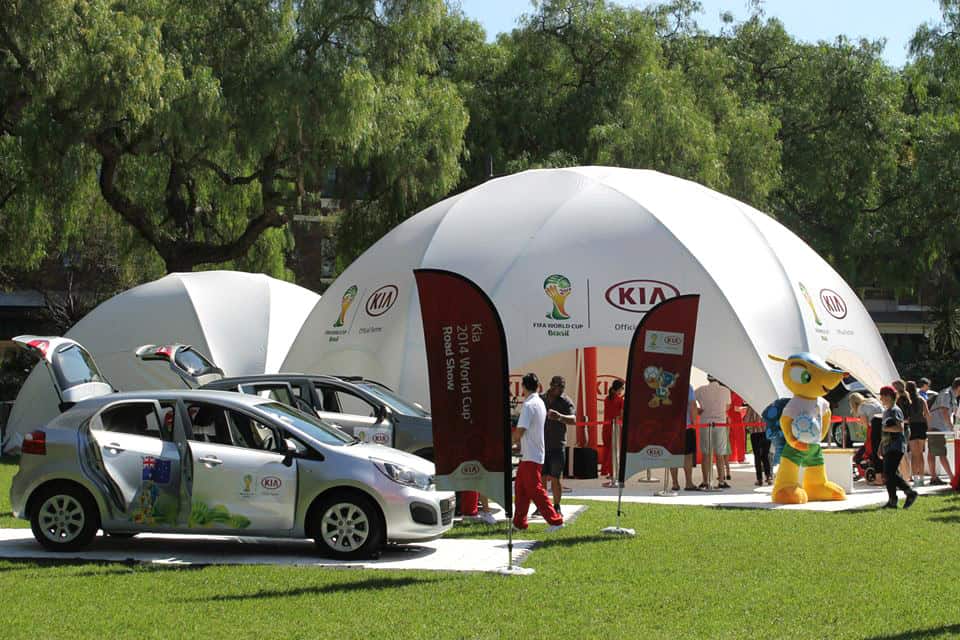
Glamping domes captivate with their futuristic aesthetic and robust structure, often featuring panoramic windows that provide immersive views of the surrounding landscape. Their appeal lies in their ability to offer a luxurious, weather-resistant environment that feels both spacious and secure, ideal for year-round use.
Canvas tents, on the other hand, evoke a classic, rustic charm, providing a versatile and often more portable glamping experience. They are celebrated for their natural breathability and timeless design, making them a favored choice for those who appreciate a traditional camping feel with enhanced comfort, such as the glamping domes vs event tents considerations for campus solutions.
Glamping Domes: Features and Advantages
Glamping domes offer a distinctive blend of outdoor adventure and luxurious comfort, making them a popular choice for unique accommodations. Their geodesic structure is not just aesthetically pleasing but also inherently strong, providing a secure and stable environment. This robust design is a key differentiator when comparing glamping domes vs. other temporary structures.
The innovative construction of glamping domes allows for panoramic views, often featuring large bay windows or transparent sections that immerse occupants in the surrounding nature without sacrificing indoor comfort. This connection to the outdoors, combined with high-end interiors, defines the premium glamping experience.
Here are some key features and benefits of glamping domes:
- The geodesic design provides superior strength and stability.
- Panoramic windows offer immersive nature views.
- Luxurious interiors ensure a comfortable stay.
- They offer a unique and memorable accommodation experience.
- This robust design is a key differentiator when comparing glamping domes vs. other temporary structures for more.
- Unique Design. Geodesic domes stand out with their spherical shape, providing an eye-catching and modern appearance that distinguishes them from traditional tents.
- Superior Durability. The interconnected triangular framework of a geodesic dome distributes stress evenly, making it exceptionally resistant to strong winds, heavy snow, and seismic activity.
- Spacious Interiors. Despite their exterior appearance, domes offer expansive, open-plan living spaces with high ceilings, allowing for comfortable movement and the inclusion of full-sized furniture and amenities.
- Energy Efficiency. The spherical shape of glamping domes contributes to better air circulation and temperature regulation, making them easier to heat in winter and cool in summer compared to rectangular structures.
- Panoramic Views. Many domes incorporate large windows or transparent panels, offering breathtaking, unobstructed views of the natural landscape from the comfort of the interior. This feature significantly enhances the guest experience.
- Versatile Applications. Beyond individual glamping units, these domes can serve various purposes, from unique event spaces to campus solutions, due to their adaptable design and quick assembly. Explore how these structures can elevate your next gathering by reviewing our guide to modular structures for outdoor events for more.
Canvas Tents: Strengths and Use Cases
Canvas tents offer a blend of tradition and practicality, making them a popular choice for many outdoor enthusiasts. Their robust construction and classic aesthetic provide a comfortable and authentic glamping experience. Unlike modern structures, canvas tents often evoke a sense of nostalgia, connecting campers with nature in a more rustic way.
The versatility of canvas tents extends to various use cases, from family camping trips and music festivals to backyard retreats. They are generally more portable than rigid structures, which can be a deciding factor when considering glamping domes vs other options. This portability allows for greater flexibility in choosing campsites and adapting to different environments. For a deeper dive into selecting the ideal tent, consider how to choose a glamping tent for your needs.
Setting up a canvas tent, while requiring some effort, is typically a straightforward process that can be managed by a few individuals. This ease of installation contributes to their appeal for temporary setups or seasonal use. Understanding the setup process is crucial for anyone evaluating the practical differences between various glamping accommodations, including how glamping domes vs event tents compare in terms of deployment. For a deeper dive into tent types, explore our guide to various event tent options.
Here are the typical steps involved in setting up a canvas tent:
- Choose a Level Site: Select a flat, clear area free of sharp objects or debris.
- Lay Out the Groundsheet: Position the groundsheet to protect the tent floor from moisture and abrasion.
- Unroll and Position the Tent: Spread out the canvas tent body over the groundsheet, ensuring the doors are facing the desired direction.
- Insert Poles: Assemble the main tent poles and carefully insert them into the designated sleeves or attachment points.
- Raise the Tent: With assistance, lift the tent structure and secure the poles, gradually giving the tent its shape.
- Stake Down the Base: Secure the tent’s base to the ground using stakes, starting with the corners and then moving to the sides.
- Attach Guy Ropes: Extend and stake out the guy ropes, adjusting tension to stabilize the tent against wind.
- Set Up Interior Features: Once the tent is stable, arrange any internal poles, dividers, or accessories as needed.
Glamping Domes vs. Canvas Tents: Direct Comparison
When evaluating glamping domes vs. canvas tents, a direct comparison reveals significant differences in their design, performance, and overall user experience. While both offer unique ways to enjoy the outdoors, their construction materials and structural integrity lead to varied benefits and drawbacks. Understanding these distinctions is crucial for selecting the ideal glamping solution for your specific needs.
Glamping domes are known for their robust, geodesic frameworks and panoramic views, often providing a more luxurious and weather-resistant experience. Canvas tents, on the other hand, offer a classic aesthetic and can be more adaptable for certain setups. For a deeper dive into the structural differences, consider this comparison of dome vs tent design for more.
Here is a detailed comparison to help you weigh the options:
Ultimately, the choice between glamping domes vs. canvas tents depends on your priorities, whether it’s maximum durability and luxury or traditional appeal and portability.
Key Factors for Choosing Between Domes and Tents
Deciding between glamping domes vs. canvas tents involves weighing several critical factors to ensure your choice aligns with your specific needs and preferences. This section guides you through the decision-making process, covering budget, intended use, and the desired experience, helping you make an informed choice for your next outdoor adventure or commercial venture. For a deeper understanding of the differences, exploring the comparison of geodesic domes vs. traditional tents can be very insightful.
Assessing Your Budget and Investment
Budget plays a significant role when comparing glamping domes vs. canvas tents. Domes typically represent a higher initial investment due to their complex structure and specialized materials, but they often offer greater longevity and resistance to extreme weather. For a deeper dive into the specifics of dome structures, consider exploring glamping domes buy considerations for more.
- Initial Purchase Price: Canvas tents are generally more affordable upfront, making them a good option for those with tighter budgets or temporary needs.
- Long-Term Value: While more expensive, glamping domes can offer better long-term value through increased durability, lower maintenance needs over time, and potential for higher rental income if used commercially.
- Installation Costs: Consider the cost of professional installation for domes, which can be more involved than setting up a canvas tent.
- Foundation Requirements: Domes may require a more substantial foundation, adding to the overall cost, whereas many canvas tents can be set up on simpler surfaces.
Intended Use and Desired Experience
The purpose of your glamping structure heavily influences whether glamping domes vs. canvas tents will be more suitable. Consider who will be using it and for what activities. For a comprehensive comparison, explore our article on modular tents vs. traditional tents to help make your decision.
- Personal Retreats: For a personal, temporary getaway, a canvas tent might suffice due to its ease of setup and classic appeal.
- Commercial Glamping Sites: If you’re establishing a commercial glamping site, the unique aesthetic and robust nature of domes often attract a premium clientele, offering a distinctive guest experience. You might also consider glamping domes vs event tents for campus solutions, depending on your target market and the specific types of event tent fabrics you need.
- Event Spaces: For unique event spaces or semi-permanent installations, domes provide a striking visual and structural advantage.
- Remote Locations: Canvas tents are generally easier to transport and set up in very remote or challenging terrains.
Environmental Factors and Durability Needs
Understanding the environmental conditions your structure will face is crucial for choosing between glamping domes vs. canvas tents. Durability and weather resistance vary significantly. For instance, exploring innovative modular structures for outdoor events can offer insights into durable, adaptable options.
- Weather Resistance: Glamping domes are engineered to withstand extreme weather conditions, including heavy snow loads and high winds, making them ideal for year-round use in diverse climates.
- Climate Suitability: Canvas tents perform well in moderate climates and can be adapted with heating or cooling, but they may struggle in severe weather without significant reinforcement.
- Longevity: The robust frame and heavy-duty covers of domes typically give them a longer lifespan compared to canvas tents, which may require more frequent material replacement due to UV exposure and wear.
- Maintenance: Domes generally require less frequent and intensive maintenance, primarily involving periodic cleaning and structural checks. Canvas tents, especially in humid environments, need careful attention to prevent mold and mildew.
Durability and Weather Resistance: A Closer Look
Glamping domes offer superior durability and weather resistance, making them a more robust choice for various climates. Their engineered design can handle harsh conditions, and you can explore more about these structures by visiting our products page for detailed specifications.
When considering glamping domes vs. canvas tents, their ability to withstand the elements is a primary concern for any outdoor accommodation. Both structures offer protection, but their design and materials lead to significant differences in durability and weather resistance. For a detailed comparison of these structures, explore our insights on geodesic domes versus traditional tents.
Glamping domes are engineered for extreme conditions, utilizing geodesic principles that distribute stress evenly across the structure. This inherent strength makes them highly resistant to strong winds and heavy snow loads, often surpassing the capabilities of traditional tents. The robust frame, typically made of steel, combined with durable PVC or polycarbonate covers, ensures longevity and structural integrity. For more on these innovative structures, consider exploring our Invicta Modular options.
Canvas tents, while sturdy, generally offer less structural resilience against severe weather. Their frame, often made of lighter materials like aluminum or steel poles, and their fabric walls can be more susceptible to strong gusts and heavy precipitation. However, high-quality canvas is naturally breathable and water-resistant, providing excellent protection against rain and maintaining a comfortable internal climate. Our team also compared glamping domes vs event tents for campus solutions, highlighting their structural differences.
Here’s a breakdown of how glamping domes and canvas tents compare in terms of weather resistance:
- Wind Resistance: Glamping domes excel with their aerodynamic, self-supporting structure that minimizes wind uplift. Canvas tents, especially those with vertical walls, can catch more wind, requiring diligent guying and staking.
- Snow Load: The spherical design of glamping domes allows snow to slide off, preventing accumulation and structural strain. Canvas tents, depending on their roof pitch, may require regular snow removal to prevent collapse.
- Rain Protection: Both can be highly waterproof. Glamping domes typically use sealed, non-porous materials. Canvas tents rely on the natural swelling of fibers when wet to create a waterproof barrier, often treated for enhanced water repellency.
- UV Resistance: Dome covers are often treated with UV inhibitors to prevent material degradation over time, which is crucial for their extended lifespan. Canvas can also be UV-treated, but natural canvas may fade or weaken with prolonged sun exposure if untreated.
- Temperature Fluctuation: Domes can be insulated more effectively due to their sealed design, allowing for better temperature control in both hot and cold climates. Canvas tents, while breathable, can struggle to maintain consistent internal temperatures without additional heating or cooling solutions.
For a comprehensive comparison of these structures, explore our insights on geodesic domes versus traditional tents. If you’re looking to make a purchase, consider how to choose the right glamping tent for your business needs.
Understanding these aspects of glamping domes vs. canvas tents is crucial for selecting the right shelter that will perform reliably in your desired environment.
Installation and Maintenance Considerations
Understanding the installation and maintenance requirements is crucial when comparing glamping domes vs canvas tents. Each structure presents unique challenges and timelines, influencing the overall effort and resources needed for setup and long-term care. For example, understanding different event tent types can help you anticipate setup needs. Proper planning for these aspects ensures the longevity and enjoyment of your glamping accommodation.
Glamping Dome Installation Process
Installing a glamping dome is a more involved process than setting up a traditional canvas tent, requiring careful attention to detail and often specialized tools. The robust nature of glamping domes means their foundation and frame assembly demand precision, and you can learn more about dome vs tent creative structure options for more.
- Site Preparation: A level and stable foundation is essential. This might involve concrete pads, wooden decks, or compacted gravel, depending on the dome’s size and intended permanence.
- Frame Assembly: Geodesic domes consist of numerous interconnected struts and hubs. Assembling these components correctly is critical for structural integrity.
- Cover Installation: The PVC or canvas cover is then stretched over the frame and securely fastened. This step often requires multiple people due to the cover’s size and weight.
- Interior Setup: Once the exterior is complete, the interior can be customized with flooring, insulation, and furnishings.
- Utility Connections: For long-term setups, connecting electricity, plumbing, or heating/cooling systems will add to the complexity. For broader applications, consider their use as glamping domes vs event tents for campus solutions.
Canvas Tent Setup and Portability
Canvas tents, especially bell tents or safari tents, generally offer a simpler and quicker installation compared to glamping domes. Their design prioritizes ease of setup, making them ideal for more temporary or portable glamping experiences. For those considering more permanent structures, exploring modular spa units can offer a different approach to glamping accommodations.
- Fewer Components: Canvas tents typically involve a central pole, door poles, and guy ropes, significantly reducing the number of parts to assemble.
- Ground Anchoring: Setup primarily involves laying out the tent, inserting poles, and securing it with stakes and guy lines.
- Flexible Sites: They are more forgiving regarding uneven terrain and can be set up on grass, dirt, or other natural surfaces without extensive site preparation.
- Easier Relocation: The relative ease of dismantling and reassembling makes canvas tents highly portable, suitable for those who wish to move their glamping setup.
Maintaining Glamping Domes for Longevity
Maintaining glamping domes involves periodic checks and cleaning to ensure their structural integrity and aesthetic appeal. The durable materials used in glamping domes contribute to their long lifespan, but proactive care is still necessary. For example, understanding the different types of event tent fabrics can help you choose the most durable and low-maintenance options for your glamping setup, as discussed in articles about the posh outdoors glamping business.
- Exterior Cleaning: The PVC or canvas cover should be cleaned regularly to prevent mildew and dirt buildup, especially in humid or dusty environments.
- Frame Inspection: Periodically check all frame connections and bolts for tightness and signs of wear or corrosion.
- Seal Checks: Inspect seams and seals around windows and doors to ensure they remain watertight.
- Snow and Wind Management: In areas with extreme weather, ensure the dome is rated for local conditions and follow manufacturer guidelines for snow load and wind resistance.
Canvas Tent Care and Repair
Canvas tents require specific care to prevent damage and prolong their use. Understanding the nuances of canvas material is key to effective maintenance. For instance, knowing about different types of event tent fabrics can help you choose the best material for your needs.
- Regular Cleaning: Brush off dirt and debris frequently. For deeper cleaning, use mild soap and water, then allow the canvas to dry completely to prevent mold and mildew.
- Waterproofing: Re-treat the canvas periodically with a waterproofing agent to maintain its resistance to rain.
- Storage: Always store canvas tents completely dry in a well-ventilated area to prevent mildew and fabric degradation.
- Minor Repairs: Small tears or holes in the canvas can often be patched with specialized repair kits, extending the tent’s functional life. The distinction between glamping domes vs canvas tents often highlights these different care requirements.
Cost and Value: What to Expect
Understanding the financial implications is crucial when comparing glamping domes vs. canvas tents. The initial investment for both can vary significantly, impacting their overall value proposition.
While canvas tents generally offer a lower entry point, glamping domes often provide enhanced durability and a more luxurious experience, which can justify their higher cost over time. Considering long-term maintenance and lifespan is essential for a complete cost analysis, much like with modular dorms vs traditional housing for more.
Here are several factors that influence the cost of both glamping domes and canvas tents:
- Size and Capacity. Larger structures naturally require more materials and labor, increasing the price.
- Material Quality. Premium fabrics for canvas tents or advanced frame materials for domes can significantly affect cost and durability.
- Design Complexity. Custom designs or intricate features, such as those found in some glamping domes vs event tents, can elevate manufacturing and installation expenses.
- Accessories and Features. Add-ons like integrated flooring, insulation, climate control systems, or specialized lighting contribute to the total expenditure.
- Installation Requirements. Professional setup services or specialized groundwork for glamping domes can add to the initial investment.
- Brand and Manufacturer. Reputable brands often come with a higher price tag but may offer better warranties and customer support.
- Transportation Costs. Shipping large or heavy structures to their final destination can also impact the overall budget.
Making Your Final Decision: Which is Right?
Deciding between glamping domes vs canvas tents ultimately depends on your specific needs, priorities, and the experience you wish to create. Both options offer unique advantages, and understanding these can guide you toward the best choice for your outdoor accommodation project.
Consider the intended use for your structure. If you envision a luxurious, year-round retreat with panoramic views and robust weather resistance, a glamping dome is likely the superior option. These structures are engineered for durability and offer a unique aesthetic that attracts premium guests.
On the other hand, if flexibility, ease of transport, and a more traditional, rustic feel are paramount, canvas tents present a compelling alternative. They are often quicker to set up and can be more adaptable for various events or temporary uses. For specialized needs, such as campus solutions, understanding the nuances between structures like glamping domes vs event tents can be crucial. For a deeper dive into event structures, check out our Strohboid vs PVC guide for more.
Reflect on your budget for both initial investment and long-term maintenance. While glamping domes typically have a higher upfront cost, their longevity and lower maintenance in harsh conditions can offer better value over time. Canvas tents may be more budget-friendly initially but might require more frequent upkeep depending on usage and climate.
Finally, think about the level of comfort and amenities you want to provide. Domes offer a more insulated and structured environment, allowing for more extensive interior design and climate control. Canvas tents, while comfortable, often lean into a simpler, closer-to-nature experience. Evaluate these aspects to make an informed decision about glamping domes vs canvas tents that aligns with your vision.
The Verdict: Glamping Domes vs. Canvas Tents
The choice between glamping domes vs. canvas tents ultimately depends on your specific vision for an outdoor retreat. Both offer unique benefits, catering to different preferences and environmental conditions. Understanding their core strengths is crucial for making an informed decision.
Glamping domes excel in providing a modern, robust, and often luxurious experience, characterized by their panoramic views and superior weather resistance. They are ideal for year-round use and offer a more permanent or semi-permanent structure for resort-style glamping. For unique event solutions, you might also consider how glamping domes compare to event tents.
Canvas tents, on the other hand, offer classic charm, portability, and versatility. They are generally easier to set up and move, making them perfect for those who prioritize a more traditional camping feel with added comfort. Their breathable material also makes them well-suited for warmer climates.
When deciding on glamping domes vs. canvas tents, consider the desired ambiance, the climate of your location, and your long-term operational goals. Each structure provides a distinct way to connect with nature while enjoying comfortable accommodations. For a deeper dive into the differences, explore our guide on dome vs tent design, or learn more about modular structures for hospitality experiences.