Discover Creative Tent Structures
Creative tent structures are transforming event spaces and architectural landscapes with their innovative designs and exceptional versatility. These structures move beyond traditional rectangular tents, offering dynamic shapes, advanced materials, and aesthetic appeal that captivate audiences and create memorable experiences.
Their adaptability makes them suitable for a wide array of applications, from intimate gatherings and corporate events to large-scale festivals and semi-permanent installations. The focus on unique design elements ensures that each structure can be tailored to meet specific functional and visual requirements.
Exploring the world of creative tent structures reveals how engineering and artistry combine to deliver not just shelter, but also visually stunning environments. This guide delves into their design principles, diverse applications, and the significant impact they have on modern temporary and semi-permanent architecture. For a deeper understanding of different tent types, explore our quick guide to event tent types for more.
Core Principles of Creative Tent Structures
The design and functionality of creative tent structures are built upon several fundamental principles that ensure their adaptability and unique characteristics. These principles allow for a wide range of applications, from temporary event spaces to semi-permanent installations.
Understanding these core principles is crucial for appreciating how creative tent structures can transform any environment. They combine engineering, aesthetics, and practicality to deliver versatile solutions, and you can explore various creative options for your next project.
- Modularity: Many creative tent structures are designed with modular components, allowing for easy expansion, reconfiguration, and breakdown. This adaptability makes them suitable for various events and changing needs, as detailed in our guide to innovative modular structures for outdoor events.
- Structural Integrity: Despite their often lightweight appearance, these structures prioritize robust engineering. Materials like high-strength aluminum frames and durable fabrics ensure stability against diverse weather conditions.
- Aesthetics: Beyond mere shelter, creative tent structures are valued for their visual appeal. Their designs often incorporate flowing lines, unique shapes, and transparent elements to enhance the overall ambiance of an event or space.
- Material Innovation: The use of advanced materials plays a significant role. High-performance textiles, UV-resistant coatings, and fire-retardant fabrics contribute to the longevity, safety, and functional superiority of modern tent designs.
- Environmental Integration: A key principle is the ability to integrate seamlessly with the surrounding environment. This includes designs that minimize ground impact, allow natural light, and even incorporate green roofs or permeable flooring.
- Ease of Installation: While complex in design, creative tent structures are often engineered for relatively quick and efficient installation and dismantling, minimizing disruption and labor costs for temporary applications.
These principles collectively define the effectiveness and versatility of creative tent structures, making them a preferred choice for those seeking innovative and functional temporary or semi-permanent architectural solutions.
Design Possibilities for Tent Structures
The realm of creative tent structures offers an extensive range of design possibilities, allowing for unique architectural expressions that seamlessly blend with various environments. These structures move beyond simple shelter, transforming into dynamic spaces through thoughtful material choices, innovative shapes, and strategic integration with their surroundings. For those considering large-scale events, understanding the nuances of tent rentals is crucial, and our blog post on common questions about renting large-scale event tents can provide valuable insights.
- Advanced fabric technologies for durability and aesthetics
- Modular systems for customizable layouts
- Integrated lighting and climate control
- Sustainable material options
- Custom branding and graphic applications
- Transparent or opaque paneling
- Multi-level configurations
Innovative Shapes and Forms
Creative tent structures are no longer confined to traditional A-frames or canopies. Designers now explore organic, geometric, and sculptural forms, pushing the boundaries of what a temporary structure can be. These innovative shapes not only enhance visual appeal but also contribute to unique spatial experiences and structural integrity. For a deeper dive into material considerations, explore different types of event tent fabrics for more.
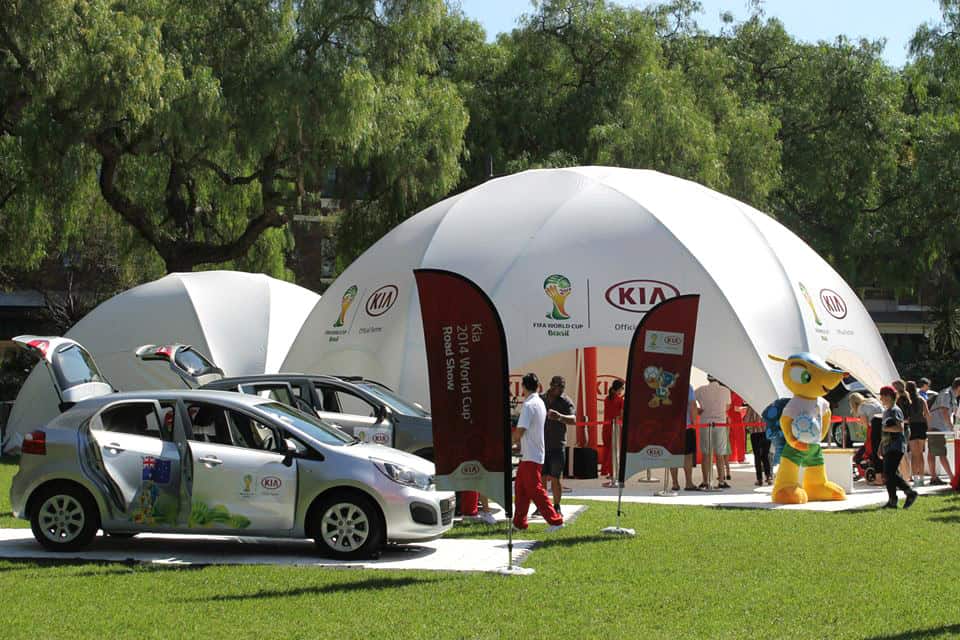
From hyperbolic paraboloids to geodesic domes and tensioned fabric structures, the possibilities are vast. Each shape offers distinct advantages in terms of wind resistance, snow load capacity, and aesthetic impact, making creative tent structures suitable for diverse applications.
Material Selection for Functionality and Style
The choice of materials is paramount in defining both the functionality and aesthetic of creative tent structures. High-performance textiles, such as PVC-coated polyester and PTFE-coated fiberglass, offer exceptional durability, weather resistance, and UV protection. You can learn more about these by exploring different types of event tent fabrics, or by comparing geodesic domes vs. traditional tents.
Beyond fabrics, structural components like aluminum, steel, and even glulam timber can be incorporated to create robust and visually appealing frameworks. The careful selection of materials ensures that these creative tent structures not only look impressive but also perform reliably under various conditions.
Integration with Natural and Urban Environments
A key aspect of creative tent structures is their ability to integrate harmoniously with their surroundings, whether a pristine natural landscape or a bustling urban setting. Design considerations often include transparency to maximize views, natural ventilation, and minimal environmental footprint, all of which are influenced by the choice of materials, such as those detailed in our post about different types of event tent fabrics for more.
For urban applications, structures can be designed to complement existing architecture, incorporating elements like integrated facades or custom color palettes. This thoughtful integration transforms creative tent structures into extensions of their environment rather than mere temporary additions.
Lighting and Climate Control Innovations
Modern creative tent structures often incorporate advanced lighting and climate control systems to enhance comfort and ambiance. LED lighting, for instance, offers energy efficiency and versatility, allowing for dynamic color changes and effects that can transform the mood of an event space. For more on this, explore our insights on innovative modular structures for outdoor events.
Climate control solutions, including HVAC systems, insulation, and ventilation, ensure that interiors remain comfortable regardless of external weather conditions. These innovations are crucial for creating inviting and functional spaces within creative tent structures.
Customization and Branding Opportunities
The versatility of creative tent structures extends to extensive customization and branding opportunities. Digital printing on fabric allows for vibrant graphics, logos, and intricate designs, making each structure a unique marketing tool or thematic centerpiece.
Modular components also enable bespoke configurations, allowing clients to tailor sizes, layouts, and access points to their specific needs. This level of customization ensures that creative tent structures perfectly align with the vision and purpose of any project or event. Explore our range of creative structures to find the perfect fit.
Impact and Applications of Creative Tent Structures
Creative tent structures offer a significant impact on various events and settings, transforming ordinary spaces into extraordinary experiences. Their unique designs and versatile functionality make them suitable for a wide range of applications, from intimate gatherings to large-scale public events.
The adaptability of these structures allows them to serve diverse purposes, enhancing the aesthetic appeal and practical utility of any occasion. For instance, our team has observed firsthand how creative tent structures can create an immersive atmosphere for outdoor festivals, drawing attendees into a themed environment.
Here are some common applications where creative tent structures excel:
- Weddings and private celebrations
- Corporate events and product launches
- Festivals and concerts
- Exhibitions and trade shows
- Outdoor dining and hospitality venues
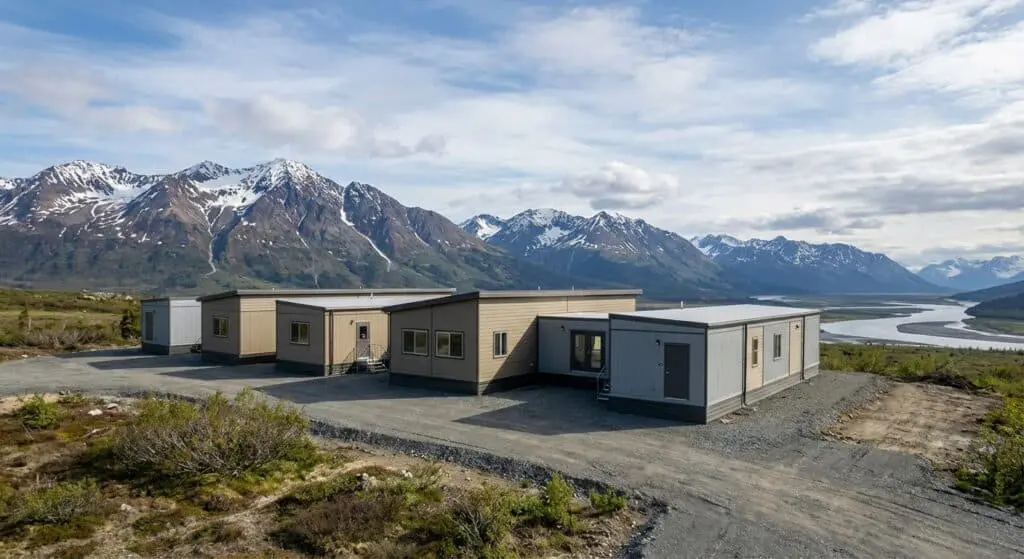
- Temporary housing solutions
Understanding the different types of structures available is key to selecting the best fit for your needs. For example, exploring various event tent types can help you determine the most suitable option for your specific application, whether it’s a classic marquee or a more contemporary modular design. For those considering unique accommodations, learning how to choose a glamping tent can also offer valuable insights into specialized structures.
- Event Venues: Providing stylish and functional spaces for weddings, corporate events, and private parties. These structures can be customized to match any theme or decor.
- Retail and Pop-up Shops: Offering unique and temporary retail solutions that attract attention and create memorable shopping experiences. The distinct appearance of creative tent structures can significantly boost brand visibility.
- Exhibitions and Trade Shows: Constructing eye-catching booths and pavilions that stand out from conventional setups, providing an engaging environment for showcasing products and services.
- Hospitality and Dining: Creating upscale outdoor dining areas, lounges, or temporary accommodations that offer comfort and a touch of luxury. These structures are often used by hotels and resorts to expand their offerings.
- Art Installations and Public Spaces: Serving as canvases for artistic expression or as temporary shelters and gathering points in urban and natural landscapes.
The ability of creative tent structures to be quickly deployed and dismantled also contributes to their broad appeal, offering flexibility that permanent constructions cannot. This makes them an ideal choice for projects requiring temporary yet impactful architectural solutions.
Choosing the Right Tent Structures
When selecting the ideal tent structure, consider factors such as the event’s purpose, desired aesthetic, and logistical requirements. For instance, understanding the differences between various types of event tents can help you make an informed decision; explore different event tent types to find the best fit for your needs.
Selecting the ideal creative tent structures for your project requires careful consideration of various factors, including your budget, the scale of your event, and its intended use. Understanding the distinctions between different tent types will help you make an informed decision that perfectly matches your vision and functional requirements.
The right choice ensures both aesthetic appeal and practical performance, contributing significantly to the success of your outdoor endeavor.
Evaluating Project Needs and Budget
Before committing to any creative tent structures, it is crucial to thoroughly evaluate your project’s specific needs and set a realistic budget. This foundational step guides all subsequent decisions regarding size, style, and features, and understanding the differences between various structures can help, such as reviewing our post on dome vs. tent design to inform your choice.
- Determine Event Scale: Consider the number of guests or participants, the amount of equipment needed, and the overall footprint required for your activities.
- Identify Intended Use: Will the tent be for a short-term event, a semi-permanent installation, or a long-term structure? This impacts material durability and installation complexity.
- Establish Budget Constraints: Define your financial limits early on. This will help narrow down options and ensure you select creative tent structures that are feasible within your economic plan.
Understanding Tent Structure Types
Familiarizing yourself with the various types of event tent structures available is essential for making the best selection for your needs. Each type offers unique benefits and aesthetic qualities, so understanding these differences is key to a successful event. For a comprehensive overview, explore our quick guide to event tent types to find the perfect fit.
There is a diverse range of creative tent structures available, each offering unique advantages for different applications. Familiarizing yourself with these types is key to making an optimal selection.
From classic pole tents to modern clear span designs, each structure provides distinct benefits in terms of aesthetics, functionality, and weather resistance. For a comprehensive overview, consult our guide to event tent types.
The choice of tent material significantly impacts its durability and longevity. Different fabrics offer varying levels of weather resistance, UV protection, and fire retardancy. Understanding these properties is crucial for selecting a tent that will withstand the intended environment and usage. For a detailed look at the various options available, consider reviewing different types of event tent fabrics.
The materials used in creative tent structures significantly influence their durability, appearance, and suitability for specific climates. Different fabrics and frame components offer varying levels of resistance to elements like wind, rain, and UV radiation. For a deeper dive into fabric options, explore our guide on understanding different types of event tent fabrics.
- Fabric Types: PVC-coated polyester offers high durability and waterproofing, while canvas or sailcloth provides a more natural, breathable aesthetic. Mesh fabrics are excellent for ventilation and shade.
- Frame Materials: Aluminum frames are lightweight and corrosion-resistant, making them ideal for frequent setups. Steel frames offer superior strength and stability, suitable for long-term or heavy-duty creative tent structures.
- Weather Resistance: Ensure chosen materials and designs can withstand anticipated weather conditions, including wind loads, rain, and temperature fluctuations.
Aesthetics and Branding Opportunities
The visual impact of creative tent structures is paramount, especially for events where branding and atmosphere are key. The right design can significantly enhance the overall experience for attendees.
Consider how the tent’s shape, color, and transparency contribute to your desired ambiance and whether there are opportunities for custom graphics or lighting to reinforce your brand identity, much like the luxury glamping setups discussed in our article on posh outdoors glamping.
Logistics and Installation Requirements
Finally, understanding the logistical demands and installation process for creative tent structures is vital for seamless execution. Factors like site accessibility, necessary permits, and labor requirements can greatly affect your project timeline and budget, much like the considerations for modular dorms vs traditional on campus housing for more. Always consult with suppliers regarding their installation expertise and ensure all safety regulations are met.
Key Considerations for Tent Structure Design
Designing creative tent structures requires careful thought and planning to ensure optimal functionality, safety, and aesthetic appeal. The success of any temporary or semi-permanent installation hinges on addressing several critical factors from the outset. Understanding these considerations helps in creating spaces that are not only visually striking but also robust and fit for purpose.
One of the primary considerations is the intended use of the structure. Will it house a corporate event, a festival, a retail pop-up, or serve as a unique residential space? Each application dictates different requirements for layout, size, and material durability. For instance, a long-term installation demands materials with higher resistance to wear and tear, as well as more robust anchoring systems.
- Site Analysis: Thoroughly assess the installation location, including ground conditions, potential wind loads, drainage, and accessibility. This analysis informs foundational design and material choices for creative tent structures.
- Local Regulations & Permits: Research and comply with all local building codes, safety regulations, and permitting requirements. This step is crucial for legal installation and operation.
- Material Selection: Choose materials based on desired aesthetics, durability, weather resistance, fire ratings, and budget. Options range from various fabrics like PVC and canvas to more rigid components like steel or aluminum frames, and you can learn more about different event tent fabrics.
- Structural Integrity: Prioritize engineering for stability against environmental factors such as wind, snow, and seismic activity. This ensures the safety of occupants and the longevity of the structure.
- Ventilation and Climate Control: Plan for adequate airflow, heating, and cooling systems, especially for enclosed creative tent structures that will host people for extended periods.
- Lighting and Power: Integrate solutions for both natural and artificial lighting, as well as sufficient power distribution for all intended equipment and activities.
- Accessibility: Design for easy access for all users, including ramps, wide entrances, and clear pathways, complying with accessibility standards.
- Sustainability: Consider environmentally friendly materials, energy-efficient systems, and options for reuse or recycling of components to reduce the ecological footprint.
Benefits of Creative Tent Structures
Opting for creative tent structures offers a multitude of advantages that go beyond basic shelter. These innovative designs merge aesthetics with functionality, providing adaptable solutions for various events and installations. From enhancing visual appeal to ensuring structural integrity, the benefits are clear for those seeking unique temporary spaces.
These structures provide an unparalleled blend of versatility and distinctive style, making them a preferred choice for events and commercial applications alike. The thoughtful design of creative tent structures ensures they are not only visually striking but also highly practical and robust, and you can explore different types of event tents for your needs.
Aesthetic Appeal: Creative tent structures transform ordinary spaces into extraordinary environments. Their unique shapes, innovative materials, and custom branding options create visually stunning focal points that leave a lasting impression on guests and visitors. This elevated aesthetic is crucial for high-profile events or brand activations.
Flexibility and Adaptability: One of the primary advantages of creative tent structures is their inherent flexibility. They can be configured in countless ways to suit specific site requirements, event themes, or capacity needs. This adaptability means they can function as anything from intimate gathering spots to expansive exhibition halls, offering a tailor-made solution every time.
Rapid Deployment: Unlike traditional construction, creative tent structures can be installed and dismantled efficiently. This rapid deployment capability is invaluable for temporary events, allowing for quick setup and teardown without extensive disruption. This efficiency also contributes to cost savings in labor and project timelines.
Durability and Weather Resistance: Engineered with robust materials and advanced construction techniques, modern creative tent structures are designed to withstand various weather conditions. They provide reliable shelter against sun, wind, and rain, ensuring comfort and safety for occupants regardless of the external environment. This resilience makes them suitable for year-round use.
Cost-Effectiveness: While offering premium aesthetics and functionality, creative tent structures often present a more cost-effective alternative to permanent construction. Their temporary nature avoids long-term property taxes and extensive building permits, while their reusability makes them an economical choice for recurring events or seasonal operations.
Proper Storage Practices
When not in use, creative tent structures must be stored correctly to prevent damage and maintain their condition. This involves ensuring the fabric is completely dry and protected from pests and extreme temperatures. Understanding the best methods for packing and storing your tent can significantly prolong its usable life, and for more details on different tent types, you can explore our guide to event tent fabrics.
Storing creative tent structures correctly during periods of non-use is as critical as their regular maintenance. Improper storage can lead to material degradation, structural damage, and costly repairs.
- Clean and Dry: Always ensure all components are clean and completely dry before packing away. Moisture is the enemy of stored fabrics and metals.
- Fold Neatly: Fold fabric sections carefully to avoid sharp creases that can weaken the material over time.
- Protective Bags: Store fabrics and smaller components in breathable, protective bags to shield them from dust, pests, and moisture.
- Controlled Environment: Keep stored creative tent structures in a cool, dry, and well-ventilated area, away from direct sunlight and extreme temperature fluctuations.
Inspecting for Wear and Tear
Regular inspections are vital for identifying potential issues early, preventing minor problems from escalating into major repairs. This proactive approach saves time and money in the long run for your creative tent structures. For more information on different tent types, explore our guide to event tent types, or consider the benefits of buying vs. renting large event canopies.
- Fabric Check: Look for tears, abrasions, thinning areas, or signs of UV damage on the fabric.
- Seam Integrity: Examine all seams for separation, loose stitching, or signs of wear.
- Frame Inspection: Check metal frames for bends, cracks, rust, or loose connections.
- Hardware Assessment: Inspect ropes, cables, connectors, and anchoring systems for wear, corrosion, or damage.
Effective Repair Strategies
Even with meticulous maintenance, creative tent structures may occasionally require repairs. Addressing these issues promptly and correctly is crucial for maintaining safety and extending usability, whether you’re considering modular vs traditional tents for your site office needs.
- Patching Fabric: Use specialized repair kits or professional patching services for tears and holes, ensuring a strong, watertight seal.
- Stitching: Re-stitch loose seams or reinforce weak points using appropriate heavy-duty thread.
- Frame Repair: Bent or damaged frame components should be repaired by qualified professionals or replaced to ensure structural stability.
- Component Replacement: Replace worn-out ropes, connectors, or stakes with new, compatible parts to maintain the integrity of the setup.
Professional Maintenance Services
For large-scale or complex creative tent structures, engaging professional maintenance services can offer significant benefits. Experts have the specialized knowledge and equipment to ensure optimal care. For more information on different types of structures and their maintenance, you can explore our guide to understanding event tent fabrics, as well as the differences between modular tents vs traditional tents.
- Deep Cleaning: Professionals can perform thorough cleaning using industrial-grade equipment and specialized solutions.
- Expert Repairs: They offer comprehensive repair services for significant damage, ensuring structural integrity and aesthetic consistency.
- Preventative Checks: Regular professional inspections can identify subtle issues that might be missed during routine user checks.
- Longevity Consulting: Professionals can advise on best practices for storage and usage, optimizing the lifespan of your creative tent structures.
Innovate with Creative Tent Structures
Embracing the future of events and architectural design means looking towards innovative solutions that blend aesthetics with practicality. Creative tent structures stand at the forefront of this evolution, offering unparalleled versatility and visual appeal for a multitude of applications. They challenge traditional notions of temporary and semi-permanent spaces, inspiring designers and planners to think beyond conventional boundaries. For instance, understanding the differences between geodesic domes and traditional tents can help you select the most suitable structure for your needs.
The adaptability of these structures allows for customization that meets specific project requirements, whether for a large-scale festival, an intimate corporate gathering, or a unique retail pop-up. By leveraging advancements in materials and engineering, creative tent structures provide robust yet dynamic environments that can withstand various weather conditions while maintaining their striking appearance. This continuous innovation ensures that each project can achieve a distinctive and memorable presence.
Consider the potential for transforming ordinary spaces into extraordinary experiences. With creative tent structures, the possibilities are vast, ranging from intricate multi-peaked designs to expansive clear-span options that offer unobstructed views. These structures are not merely shelters; they are integral components of the overall design narrative, capable of shaping the atmosphere and functionality of any event or installation. Exploring unique solutions with creative tent structures can significantly enhance engagement and leave a lasting impression.
By pushing the boundaries of what is possible, these structures contribute to more sustainable and efficient event planning and temporary installations. Their modular nature often facilitates quicker setup and dismantling, reducing labor and time costs. This efficiency, combined with their striking designs, makes creative tent structures an ideal choice for those looking to innovate and differentiate their projects in a competitive landscape, as explored in our guide to innovative modular structures for outdoor events.