Understanding Resort Modular Spa Units
Modular spa units represent a significant advancement for resorts seeking to enhance guest experiences and expand their wellness offerings. These prefabricated structures provide a flexible and efficient solution for integrating high-quality spa facilities into diverse environments. Their growing importance stems from the demand for customizable and rapidly deployable amenities in the hospitality sector.
The initial benefits of incorporating modular spa units include faster construction times and reduced on-site disruption compared to traditional building methods. Resorts can deploy these units to quickly meet market demands or test new wellness concepts without extensive capital investment. This approach allows for greater agility in adapting to evolving guest preferences and industry trends.
Ultimately, modular spa units offer a modern solution for resorts aiming to elevate their services and attract a broader clientele. By providing immediate access to sophisticated wellness facilities, these units contribute directly to guest satisfaction and can significantly impact a resort’s competitive edge. They are becoming an essential consideration for property developers and hospitality managers alike, offering solutions similar to those found in other modular hospitality applications such as modular spa units for more.
What are Modular Spa Units?
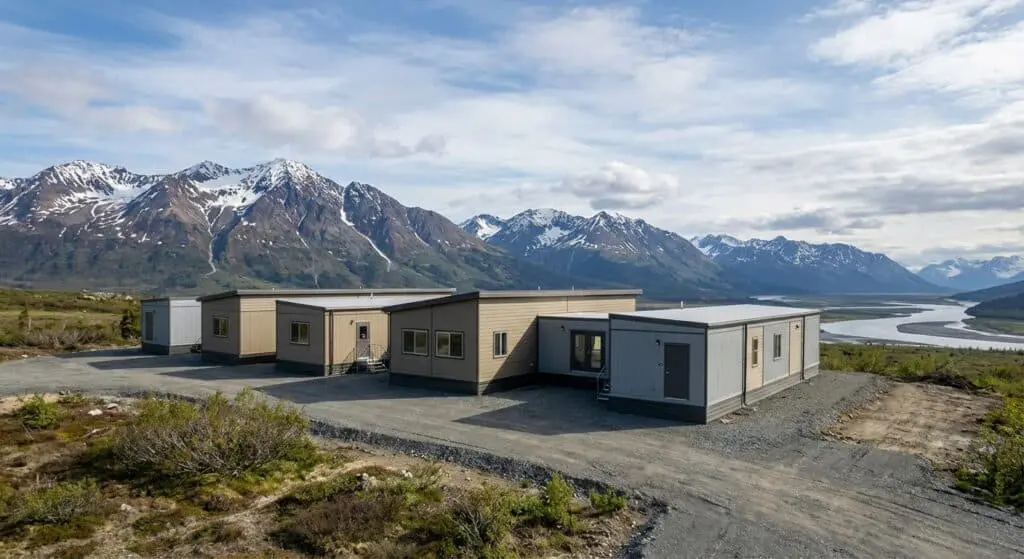
Modular spa units are self-contained, prefabricated structures designed to house various wellness facilities such as saunas, steam rooms, hot tubs, and relaxation areas. These units are built off-site in a controlled factory environment and then transported to their final destination for assembly.
This construction method offers significant advantages over traditional, on-site building practices. The prefabrication process ensures consistent quality and allows for quicker installation times once the units arrive at the resort or property.
Unlike traditional spas built piece-by-piece on location, modular spa units arrive as complete or near-complete sections. This approach minimizes disruption to existing operations and significantly reduces the construction timeline, making them an attractive option for resorts looking to expand or upgrade their amenities efficiently. For more information on modular solutions, explore Invicta Modular for more.
The distinction between modular and traditional spa construction lies primarily in their manufacturing and assembly processes:
- Prefabrication: Modular spa units are constructed in a factory, where conditions can be optimized for precision and efficiency. This contrasts with traditional construction, which relies on on-site labor and weather-dependent schedules.
- Installation: Once manufactured, modular units are transported and then quickly assembled or connected at the site. Traditional spas require extensive on-site building, which can take months or even years.
- Flexibility: Modular units often come with a high degree of customization available during the design phase, yet their standardized components allow for easier scaling or relocation if future needs change.
These units can be integrated seamlessly into existing resort landscapes or stand as independent wellness destinations, providing flexibility in design and placement. The nature of modular spa units allows for innovative layouts and features, often including advanced insulation and energy-efficient systems. For more on innovative structures, explore innovative modular structures for outdoor events.
Core Principles of Modular Spa Design
Designing effective modular spa units requires careful consideration of several fundamental principles. These principles ensure that the units not only meet functional requirements but also deliver an exceptional guest experience and maintain long-term structural integrity.
The prefabricated nature of modular spa units allows for a high degree of precision in manufacturing, but the design must account for eventual on-site assembly and integration. This involves a holistic approach, blending aesthetics with practical considerations, much like when addressing common questions about renting large-scale event tents.
Functionality and Workflow Optimization
A primary principle in designing modular spa units is optimizing their functionality. This involves planning the layout to ensure efficient workflow for staff and a seamless journey for guests. Spaces must be intuitively arranged, from reception and changing areas to treatment rooms and relaxation zones.
Consideration of essential services like plumbing, electrical, and HVAC systems is critical. Modular designs allow for pre-installation of many of these components, significantly reducing on-site work and potential disruptions. Understanding the benefits of different structural options, such as comparing geodesic domes versus tents, can also inform space planning. Each aspect contributes to the overall operational efficiency of the modular spa units.
Enhancing the Guest Experience
The guest experience is paramount in spa design. Modular spa units must be crafted to create a serene and inviting atmosphere. This includes thoughtful selection of materials, lighting, and soundproofing to foster relaxation and privacy. For inspiration on creating unique hospitality spaces, explore our range of Invicta Modular solutions, considering the importance of durable and attractive coverings, much like understanding different types of event tent fabrics for more.
Design elements should evoke a sense of calm and luxury, aligning with the resort’s brand. From the placement of windows to maximize natural light and views, to the integration of aroma therapy systems, every detail contributes to a memorable and restorative experience for visitors to the modular spa units.
Structural Integrity and Durability
Ensuring the structural integrity and durability of modular spa units is non-negotiable. These units are built to withstand various environmental conditions and the rigors of commercial use. High-quality, weather-resistant materials are essential for longevity and minimal maintenance.
The manufacturing process emphasizes robust construction, often incorporating steel frames or reinforced timber to provide stability. Compliance with building codes and industry standards is critical, guaranteeing that the modular spa units are safe, reliable, and built to last, much like other innovative modular structures used for outdoor events.
Key Benefits of Resort Modular Spa Units
Resorts often seek efficient ways to enhance guest experiences and expand their amenities. Modular spa units offer a compelling solution, providing significant advantages over traditional construction methods. For example, explore the spa mod for a tailored wellness solution.
These prefabricated structures streamline the development process, allowing resorts to quickly adapt to market demands and guest expectations. The benefits extend beyond speed, encompassing financial and operational efficiencies that directly impact a resort’s bottom line and reputation, as explored in our guide to modular structures for hospitality for more.
- Accelerated Deployment. Modular spa units are constructed off-site in controlled environments, drastically reducing on-site build times. This means resorts can launch new spa facilities much faster than with conventional construction, minimizing disruption to operations and generating revenue sooner.
- Cost-Effectiveness. The manufacturing process for modular spa units often leads to lower labor costs and reduced material waste. Predictable timelines also help avoid costly delays, making the overall investment more budget-friendly for resorts looking to add high-quality spa amenities.
- Design Flexibility and Customization. Despite their modular nature, these units offer extensive design flexibility. Resorts can customize layouts, finishes, and features to align with their brand aesthetic and specific service offerings, ensuring the modular spa units integrate seamlessly with existing facilities.
- Scalability and Adaptability. As guest needs evolve, modular spa units can be easily expanded, reconfigured, or even relocated. This inherent adaptability provides resorts with a future-proof solution, allowing them to scale their wellness offerings without undertaking major construction projects.
- Quality Control. Factory-controlled construction environments ensure consistent quality and adherence to strict building standards. This rigorous oversight results in durable, high-performance modular spa units that require less maintenance and offer a superior guest experience.
Our experience serving the coastal Florida region has shown that modular spa units significantly reduce project timelines for resorts seeking to enhance their guest offerings. Resorts have successfully integrated these units to provide diverse wellness services, from massage rooms to relaxation lounges, meeting the growing demand for comprehensive spa experiences without the prolonged disruption of traditional builds.
Choosing the Right Modular Spa Units
Selecting the ideal modular spa units for a resort requires careful consideration of several factors to ensure they align with your business goals and guest expectations. This process involves evaluating dimensions, construction materials, and the extent to which you can personalize the features of these prefabricated structures. Explore the spa mod for a specialized option, much like how you might select the perfect glamping tent for your business.
Thoughtful selection helps guarantee that your investment enhances guest experience and provides a sustainable addition to your amenities. It is important to look at all aspects of modular spa units before making a decision.
Assessing Size and Layout Requirements
Determining the appropriate size and layout for your modular spa units is crucial for maximizing functionality and guest comfort. Resorts must consider available space, projected guest traffic, and the specific services they plan to offer within the spa area, much like when planning for different event tent types.
- Available Footprint: Evaluate the physical space designated for the spa units. This includes not only the area for the unit itself but also any necessary surrounding space for landscaping, pathways, or utility access.
- Guest Capacity: Estimate the number of guests who will use the spa simultaneously. This will influence the number and size of individual treatment rooms, relaxation areas, and wet facilities like saunas or steam rooms.
- Service Offerings: Identify the specific spa services you intend to provide. Different services, such as massage therapy, hydrotherapy, or beauty treatments, require distinct layouts and equipment, directly impacting the internal configuration of modular spa units.
- Future Expansion: Consider the potential for future growth. Opting for modular designs that allow for easy expansion or reconfiguration can be a significant advantage as your resort’s needs evolve.
Evaluating Material and Construction Quality
The quality of materials and construction directly impacts the longevity, aesthetics, and functionality of your modular spa. Understanding the different types of materials available, such as robust framing and durable exterior finishes, is essential for making an informed decision. For example, exploring options like those detailed in our guide to different types of event tent fabrics can provide insight into material properties relevant to outdoor structures.
The longevity, aesthetic appeal, and maintenance requirements of modular spa units largely depend on the materials used and the quality of their construction. High-quality materials ensure durability and can withstand the demands of a commercial spa environment.
- Durability: Choose materials known for their resilience against moisture, temperature fluctuations, and heavy use. This often includes marine-grade timber, composite panels, and high-performance insulation.
- Sustainability: Prioritize eco-friendly and sustainable materials. Many manufacturers offer options that reduce environmental impact, which can appeal to environmentally conscious guests and align with corporate sustainability goals.
- Aesthetics: Select materials and finishes that complement your resort’s existing architectural style and brand identity. Modular spa units come in a variety of exterior and interior finishes, from modern minimalist to rustic natural.
- Maintenance: Consider the ease of cleaning and maintenance for all chosen materials. Materials that are simple to sanitize and resistant to wear and tear will reduce operational costs and ensure a consistently pristine environment for guests.
Customization and Integration Options
One of the significant advantages of modular spa units is their flexibility in customization and seamless integration into existing resort infrastructure. Tailoring these units to specific needs enhances the guest experience and optimizes operational efficiency. Explore the possibilities with our range of Invicta Modular solutions designed for diverse hospitality needs, and consider how different structural designs, such as those comparing dome vs. tent options, might influence your project.
- Interior Design: Explore options for customizing interior finishes, lighting, and fixture choices. This allows resorts to create a unique ambiance that reflects their brand and provides a memorable experience for visitors.
- Feature Set: Determine which specific spa features are essential. This could include integrating specialized equipment like hydrotherapy tubs, sauna types, steam rooms, or unique relaxation pods within the modular structure.
- Utility Connections: Ensure the modular design allows for straightforward integration with your resort’s existing plumbing, electrical, and HVAC systems. Discuss these requirements early with suppliers to avoid costly modifications during installation.
- Exterior Blending: Consider how the exterior of the modular spa units will blend with the surrounding landscape and architecture. Custom exterior cladding, roofing, and window styles can help achieve a cohesive look.
Styles and Aesthetics of Resort Modular Spas
Modular structures offer a versatile approach to creating unique hospitality experiences, and their aesthetic adaptability is key to integrating seamlessly into various resort environments. Whether you are looking for a sleek, modern design or something that evokes a rustic charm, the options are extensive. For inspiration on how different structures can enhance outdoor events and hospitality, explore innovative modular structures.
The aesthetic appeal of modular spa units is crucial for resorts aiming to create a cohesive and inviting atmosphere. These prefabricated structures offer significant flexibility, allowing for integration with existing architectural styles or the creation of entirely new, distinct environments. Thoughtful design ensures that modular spa units enhance the overall guest experience. Explore our spa mod options for your resort.
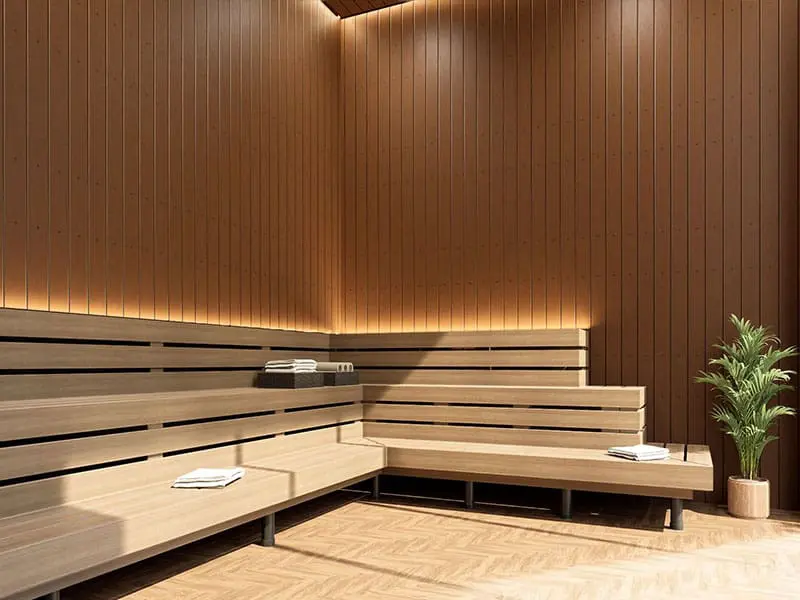
Resorts can choose from a wide array of design themes and material palettes to customize their modular spa units. This customization extends beyond mere color choices, encompassing structural elements, interior finishes, and external cladding. The goal is to select options that resonate with the resort’s brand identity and target demographic. For insights into creating luxurious outdoor accommodations, consider the benefits of glamping business support.
Material selection plays a vital role in both the durability and visual impact of modular spa units. High-quality, weather-resistant materials are essential for outdoor installations, while interior finishes should prioritize comfort, hygiene, and aesthetic harmony. Considerations such as natural light, ventilation, and landscaping further contribute to the overall ambiance.
| Aesthetic Style | Key Characteristics | Material Options |
|---|---|---|
| Modern Minimalist | Clean lines, open spaces, understated elegance | Glass, polished concrete, light wood, metal accents |
| Rustic Charm | Natural textures, warm tones, cozy atmosphere | Reclaimed wood, stone, wrought iron, earthy fabrics |
| Tropical Oasis | Vibrant colors, lush foliage integration, breezy feel | Bamboo, rattan, natural stone, water features |
| Industrial Chic | Raw elements, functional design, urban edge | Exposed brick, steel, concrete, distressed wood |
Installation Process for Resort Modular Spas
The installation of modular spa units is a streamlined process designed for efficiency and minimal disruption to resort operations. Unlike traditional construction, which can be lengthy and labor-intensive, modular solutions arrive largely pre-fabricated, significantly reducing on-site work.
Proper planning and coordination are essential to ensure a smooth setup for modular spa units. This involves careful site preparation, utility hookups, and final aesthetic integration. For a deeper understanding of modular options, explore our range of Invicta Modular solutions.
Here are the typical steps involved in installing modular spa units:
Site Preparation: Before the arrival of modular spa units, the chosen site must be properly prepared. This includes clearing the area, ensuring proper grading for drainage, and laying a stable foundation or concrete slab that can support the weight of the unit and its contents. For more information on modular options, explore Invicta Modular.
Utility Connections: All necessary utilities, such as electrical, plumbing (water supply and drainage), and sometimes gas lines, need to be brought to the installation site. These connections must be precisely located according to the modular unit’s specifications to ensure seamless hook-up.
Transportation and Placement: The prefabricated modular spa units are transported to the resort site. Depending on their size and design, cranes or other heavy machinery are used to carefully lift and place the units onto the prepared foundation. Precision is key during this stage to ensure proper alignment.
Structural Assembly (if needed): While many modular spa units arrive as complete structures, some larger or more complex designs may require on-site assembly of multiple modules. This involves securing the sections together, ensuring structural integrity and weatherproofing.
Utility Hook-ups and Testing: Once the units are in place, professional technicians connect the pre-installed utility systems within the modular unit to the main utility lines on site. This includes electrical wiring, water pipes, and drainage systems. Thorough testing is conducted to verify functionality and check for any leaks or electrical issues.
Interior and Exterior Finishing: The final stage involves completing any interior finishes, such as flooring, wall treatments, and fixture installations that couldn’t be done off-site. Exterior finishing may include landscaping, decking, or cladding to seamlessly integrate the modular spa units with the existing resort environment.
Final Inspection and Commissioning: A comprehensive final inspection is performed to ensure all aspects of the installation meet safety standards and design specifications. After successful inspection, the modular spa units are commissioned, making them ready for use by guests.
Budgeting for Modular Spa Units for Resorts
Investing in modular spa units for a resort requires careful financial planning. While the initial outlay might seem significant, understanding the long-term cost benefits and return on investment is crucial for informed decision-making.
Unlike traditional construction, modular spa units often present a more predictable budget due to factory-controlled processes and reduced on-site labor. For a deeper dive into material comparisons, our guide to event structures can offer insights.
Cost Considerations for Modular Spa Units
Several factors influence the overall cost of modular spa units. These considerations encompass more than just the purchase price of the unit itself. For example, exploring the spa mod can provide insight into specific unit costs and features, and you can learn more about how these structures can enhance hospitality experiences by visiting our blog.
- Unit Acquisition Cost: This is the primary cost, varying based on size, features, materials, and customization level. Larger, more luxurious, or highly customized units will naturally command a higher price.
- Site Preparation: Even with modular construction, some site work is necessary. This includes leveling the ground, laying foundations, and ensuring proper drainage and utility access.
- Transportation and Delivery: Moving large modular units to the resort site can incur significant transportation costs, depending on distance and unit dimensions.
- Installation and Assembly: While quicker than traditional builds, installation still involves labor for connecting sections, utilities, and finishing touches.
- Utility Connections: Costs for connecting water, electricity, and wastewater systems to the main resort infrastructure must be factored in.
- Landscaping and Integration: To ensure the modular spa units blend seamlessly with the resort’s existing aesthetic, landscaping around the units is an important cost.
- Permits and Regulations: Obtaining necessary permits and ensuring compliance with local building codes will add to the budget.
Return on Investment (ROI) for Modular Spa Units
The financial advantages of incorporating modular spa units extend beyond initial cost savings. Resorts can expect a strong return on investment through various avenues, such as increased guest satisfaction and potential for higher occupancy rates, which you can explore further in our guide to modular structures in hospitality. Understanding the buy vs rent canopies can also offer insights into similar investment decisions.
- Increased Revenue Streams: Offering premium spa services can attract more guests, command higher room rates, and generate additional revenue from treatments and packages.
- Faster Time to Market: The quicker installation of modular units means resorts can begin generating revenue from their spa facilities much sooner compared to traditional construction. This reduced downtime translates directly into increased profitability.
- Enhanced Guest Experience: A high-quality spa amenity elevates the overall guest experience, leading to higher satisfaction, positive reviews, and repeat bookings.
- Operational Efficiency: Modern modular spa units are often designed with energy efficiency in mind, potentially leading to lower utility costs over time.
- Flexibility and Scalability: Should demand increase, additional modular units can be integrated more easily than expanding a traditionally built facility, allowing for future growth.
- Property Value Appreciation: Adding desirable amenities like a state-of-the-art spa can increase the overall market value of the resort property.
Careful budgeting and an understanding of potential ROI are essential for resorts considering modular spa units. These units offer a financially sound path to expanding wellness offerings and enhancing guest satisfaction, and you can explore specific spa module options to find the perfect fit.
Maintaining Your Resort’s Modular Spa Units
Effective maintenance is crucial for ensuring the longevity and optimal performance of your modular spa units. A well-maintained spa not only enhances the guest experience but also protects your investment. Regular upkeep prevents costly repairs and ensures all components function as intended.
Establishing a comprehensive maintenance schedule is key. This schedule should encompass routine cleaning, system checks, and preventive measures. Neglecting these steps can lead to premature wear and tear, reducing the lifespan of the modular spa units. For larger outdoor amenities, consider the benefits of an event canopy, whether buying or renting.
Routine Cleaning and Water Treatment
Daily and weekly cleaning protocols are essential for maintaining hygiene and aesthetic appeal. This includes surface cleaning, filter maintenance, and regular water quality checks. Proper water treatment prevents the growth of bacteria and algae, ensuring a safe and pleasant environment for guests. For more information on modular structures in hospitality, explore our modular product line for more.
- Daily Surface Cleaning: Wipe down all accessible surfaces, including seating areas, jets, and surrounding decks, to remove dirt, oils, and residues.
- Filter Cleaning/Replacement: Clean spa filters weekly, or more frequently depending on usage, to ensure efficient water circulation and filtration. Replace filters as recommended by the manufacturer.
- Water Quality Monitoring: Test water pH, sanitizer levels (chlorine or bromine), and alkalinity daily. Adjust chemical levels as needed to maintain optimal balance and prevent skin irritation or equipment damage.
- Shock Treatment: Periodically shock the spa water to eliminate organic contaminants and refresh water quality.
System Checks and Preventive Maintenance
Beyond daily cleaning, periodic inspections of the mechanical and electrical systems are vital. These checks help identify potential issues before they escalate into major problems, ensuring the continuous operation of your modular spa units. For example, understanding the differences between various types of structures can help in selecting the right one for specific needs, much like choosing the right spa unit. Explore modular tents vs traditional tents to see how they compare.
- Pump and Heater Inspection: Regularly inspect pumps for unusual noises or leaks, and ensure heaters are functioning efficiently. Check connections for corrosion or wear.
- Jet and Plumbing Checks: Verify that all jets are working correctly and that there are no visible leaks in the plumbing system. Clear any blockages as needed.
- Electrical System Review: Ensure all electrical connections, GFCI outlets, and control panels are in good working order and free from moisture or damage.
- Cover Maintenance: Clean and condition the spa cover regularly to prolong its life and maintain its insulating properties. Inspect for tears or damage that could affect heat retention.
- Structural Integrity: Periodically examine the modular spa units’ structural components for any signs of wear, warping, or damage, addressing them promptly to maintain safety and appearance.
Seasonal Considerations and Professional Servicing
Depending on your resort’s location and climate, seasonal maintenance may be necessary. Winterizing or preparing for heavy usage periods helps protect the units from environmental stressors. Additionally, scheduling professional servicing at least once a year is highly recommended, and exploring options for modular spa units can enhance your facility’s flexibility.
Professional technicians can perform more in-depth diagnostics, calibrate equipment, and address complex issues that might be overlooked during routine checks. This specialized attention ensures that your modular spa units remain in peak condition, providing a consistently high-quality experience for your guests. Explore our range of modular spa solutions for more details.
Conclusion: Enhancing Resort Experiences
Modular spa units offer a transformative approach for resorts seeking to elevate guest experiences and expand their amenity offerings. These prefabricated solutions provide a compelling blend of efficiency, design flexibility, and cost-effectiveness, making them an attractive alternative to traditional construction.
By leveraging modular construction, resorts can achieve faster deployment times and minimize on-site disruption, which is crucial for maintaining guest satisfaction. The ability to customize these units allows for seamless integration with existing aesthetics and branding, creating unique wellness environments that stand out.
Investing in modular spa units ultimately translates into enhanced guest satisfaction and potentially higher revenue streams. The convenience and quality of these units cater to the growing demand for accessible and luxurious wellness options within the hospitality sector.