The Allure of Glamping Tents
The growing appeal of glamping tents lies in their ability to combine the immersive experience of camping with the comforts and luxuries typically found in hotels. These unique shelters offer a refined outdoor adventure, attracting individuals and families seeking a more sophisticated connection with nature without sacrificing amenities.
Glamping transforms traditional outdoor stays into memorable experiences, making it accessible to a wider audience than conventional camping. This blend of rustic charm and modern convenience creates an inviting atmosphere for relaxation and exploration, drawing many to explore the world of glamping.
Understanding the benefits of glamping tents can help you decide if this is the right option for your next outdoor escape or business venture. For instance, consider the diverse uses for glamping tent setups, from personal retreats to commercial enterprises.
What Exactly Are Glamping Tents?
Glamping tents represent a fusion of traditional camping and luxury accommodations, offering an elevated outdoor experience. Unlike conventional camping, which often involves roughing it, glamping provides comfort and amenities typically associated with hotels or resorts. These specialized glamping tents are designed to offer a more sophisticated and comfortable stay in nature.
The term “glamping” itself is a portmanteau of “glamorous” and “camping,” perfectly encapsulating the essence of this trend. It’s about enjoying the beauty of the outdoors without sacrificing modern conveniences. Our guide to glamping explores the various aspects that make this form of outdoor lodging so appealing, and you can learn more about how to choose the right glamping tent for your business by reviewing common questions about large-scale event tents for more.
Distinguishing Glamping Tents from Traditional Tents
While both serve as shelters, glamping tents and traditional camping tents differ significantly in their construction, amenities, and overall purpose. Understanding these distinctions is crucial when considering which type of outdoor accommodation best suits your needs.
| Traditional Camping Tents | Glamping Tents |
|---|---|
| Primarily focused on portability and minimal shelter. | Designed for comfort, space, and a luxurious outdoor living experience. |
| Made from lightweight materials like nylon or polyester. | Often constructed from durable, heavier materials such as canvas, offering better insulation and longevity. For more insights, explore the differences between canvas glamping tents and modular cabins. |
| Typically smaller, accommodating 1-4 people for basic sleeping. | Larger, often featuring high ceilings, multiple rooms, and ample space for furniture. |
| Basic amenities, requiring campers to bring most essentials. | May include beds, furniture, electricity, heating/cooling, and even private bathrooms. |
| Setup is usually quick and straightforward, designed for temporary use. | Can be more involved to set up due to size and features, often intended for longer stays or semi-permanent installations. |
Ultimately, glamping tents aim to create a home-away-from-home feeling in a natural setting. They are not just about shelter; they are about providing an experience that blends adventure with indulgence. Many destinations, like those offering glamping tents Downtown Denver CO, showcase the high level of comfort and style these structures can provide.
Core Principles of Glamping Tents
Glamping tents distinguish themselves from traditional camping gear through fundamental design and functional principles focused on comfort, luxury, and durability. These structures blend the immersive experience of nature with the amenities of modern living, making them ideal for those seeking an upgraded outdoor adventure. The construction and materials used for glamping tents are key to their appeal.
One core principle is robust construction, ensuring longevity and resilience against varying weather conditions. Many glamping tents, for example, feature heavy-duty canvas, which provides excellent insulation and breathability. For more details on material choices, explore our discussion on canvas glamping tents for more.
Another essential principle is the emphasis on spacious interiors. Unlike typical camping tents, glamping tents are designed to accommodate comfortable furnishings such as real beds, seating areas, and even private bathrooms. This spaciousness allows for a more relaxed and luxurious stay, elevating the overall glamping experience. If you’re considering different tent options, understanding the distinctions between various types can be helpful, so consider our guide to event tent types for more.
The integration of thoughtful amenities is also central to the concept of glamping tents. This includes features like proper flooring, reliable ventilation systems, and electrical hookups. These elements contribute to a home-like atmosphere in the wilderness. Understanding the glamping industry helps appreciate these design choices.
Ultimately, the objective of glamping tents is to create an experience where guests can connect with nature without sacrificing comfort. This balance between rugged outdoor living and upscale accommodation defines the core principles guiding the design and functionality of these unique shelters.
Choosing the Right Glamping Tents
Selecting the ideal glamping tents involves careful consideration of various factors to ensure they meet your specific needs and preferences. This guide will walk you through the essential aspects to consider, from tent type and material to capacity and desired amenities, helping you make an informed decision for your outdoor adventures. For more details on making this choice, see our guide on comparing geodesic domes vs. traditional tents for more.
Assess Your Glamping Style and Location
Before purchasing glamping tents, it is crucial to define your glamping style and consider the typical locations you’ll be using them. Are you looking for a rustic escape or a luxurious outdoor retreat? The environment, including weather patterns and terrain, will significantly influence the best choice for your investment. Understanding different types of event tent fabrics can help you make an informed decision.
- Climate Suitability: Evaluate if you need a four-season tent capable of handling snow and extreme cold, or if a three-season tent designed for milder conditions will suffice. Some specialized canvas glamping tents offer superior insulation for varied climates.
- Terrain Compatibility: Consider if your tent needs to be freestanding for rocky surfaces or if it can be staked down on softer ground. Certain designs are better suited for specific landscapes.
- Accessibility: Think about how you will transport your glamping tents. Lighter, more compact options are better for remote locations, while heavier, more robust structures might require vehicle access.
Consider Tent Type, Size, and Capacity
The type and size of glamping tents directly impact comfort and functionality. Different designs offer unique advantages, and capacity should align with the number of occupants and desired living space. For instance, understanding the differences between geodesic domes and traditional tents can help you make an informed decision.
- Bell Tents: Known for their classic aesthetic and spacious interior, bell tents are popular for their open-plan living and easy setup.
- Safari Tents: Often larger and more robust, safari tents provide multiple rooms and a more permanent feel, ideal for longer stays or larger groups.
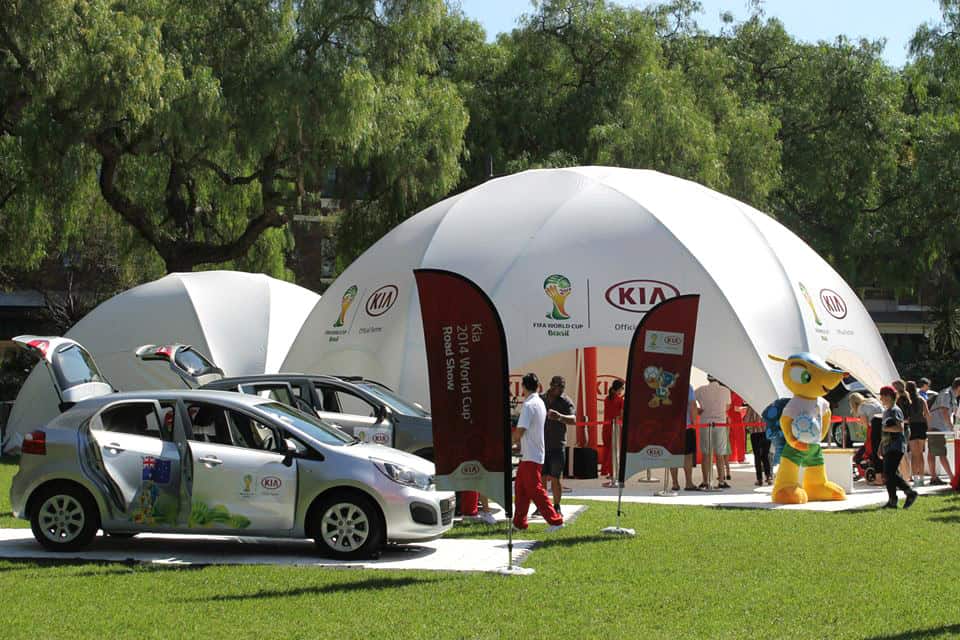
- Geodesic Domes: These offer excellent structural stability and unique panoramic views, making them a luxurious option for various environments.
- Cabin Tents: Mimicking traditional cabin structures, these tents provide vertical walls and ample headroom, often featuring separate rooms.
When thinking about sizing, consider not only how many people will be sleeping inside but also any furniture, gear, or amenities you plan to include. Our guide to Canvas Glamping Tents: Luxury vs. Durability provides insights into material choices that affect both space and longevity.
Evaluate Materials, Durability, and Features
The construction materials and additional features are critical for the longevity and comfort of your glamping tents. High-quality materials offer better protection against the elements and enhance the overall experience. For instance, understanding different types of event tent fabrics can help you make informed decisions about durability and weather resistance.
Look for materials like heavy-duty canvas, ripstop nylon, or polyester with strong waterproof ratings. Reinforced seams, sturdy zippers, and robust poles are indicators of durable construction. For more information on the types of structures we can facilitate, visit our Glamping industry page. If you’re curious about the different kinds of fabrics used in these structures, our guide to event tent fabrics offers a comprehensive overview.
| Pros | Cons |
|---|---|
| Long-lasting investment | Higher initial cost |
| Enhanced weather resistance | Can be heavier to transport |
| Increased comfort and amenities | Setup may require more effort |
| Better insulation properties | Requires proper maintenance |
Additional features to consider include integrated stove jacks, multiple windows for ventilation, mosquito netting, and robust flooring options. These elements contribute significantly to the overall enjoyment and practicality of your chosen glamping tents.
Key Features and Benefits
Investing in quality glamping tents offers a host of advantages that elevate the outdoor experience beyond traditional camping. These specialized shelters combine the ruggedness needed for nature with the comforts of home, making them ideal for various settings. From enhanced durability to superior comfort, glamping tents are designed to meet the demands of discerning adventurers and property owners alike. Explore the benefits of luxury glamping setups for your next outdoor venture.
The versatility of glamping tents extends to their ability to adapt to different environments and user needs. Whether for a weekend getaway or a permanent resort fixture, understanding their core features and benefits is crucial for making an informed decision when you choose a glamping tent.
- Enhanced Comfort. Unlike standard camping tents, glamping tents often feature spacious interiors, higher ceilings, and integrated flooring, providing ample room for movement and furnishing. Many designs accommodate full-sized beds, seating areas, and even small kitchens, offering a true “home away from home” feel.
- Superior Durability and Weather Resistance. Constructed from robust materials such as heavy-duty canvas or specialized synthetic fabrics, glamping tents are built to withstand diverse weather conditions, from strong winds to heavy rain. Features like reinforced seams, sturdy poles, and waterproof treatments ensure longevity and protection against the elements. You can explore the differences in materials with our guide on Canvas Glamping Tents: Luxury vs. Durability.
- Aesthetic Appeal. Beyond functionality, glamping tents boast an inherent charm and aesthetic that blends seamlessly with natural landscapes. Their unique designs, ranging from classic bell tents to modern geodesic domes, contribute to the picturesque appeal of any glamping site. This visual harmony enhances the overall experience for guests.
- Quick and Efficient Setup. While larger than traditional tents, many glamping tents are designed for relatively straightforward assembly. Manufacturers prioritize user-friendly setups, often providing clear instructions and innovative pole systems that reduce the time and effort required to pitch the tent. For more on this, consider our guide to understanding different types of event tent fabrics.
- Versatility in Application. Glamping tents serve a wide array of purposes, from private recreational use to commercial operations like eco-resorts and event venues. Their adaptability allows them to be used in various climates and terrains, supporting a broad spectrum of outdoor activities and businesses. For those in the hospitality industry, understanding innovative modular structures for events is key.
These key features ensure that glamping tents offer a premium outdoor lodging solution. The combination of comfort, resilience, and style makes them a smart investment for anyone looking to create memorable outdoor experiences.
Styles and Designs of Glamping Tents
The world of glamping offers an impressive array of structures, with diverse styles and designs of glamping tents catering to every taste and functional requirement. From classic silhouettes to cutting-edge innovations, each design provides a unique experience. Understanding these variations helps in selecting the ideal setup for your outdoor adventures or commercial venture.
Whether you’re exploring the glamping industry for personal use or business, the aesthetic appeal and practical layout of your chosen tent significantly impact the overall experience. For instance, those looking for premium canvas options might consider our insights on canvas glamping tents, which offer a blend of luxury and durability. To make an informed decision, it’s helpful to review how to choose a glamping tent for your business.
Bell Tents
Bell tents are a classic choice, known for their simple yet elegant conical shape. They are easy to set up and offer ample interior space, making them a popular option for glamping sites and festivals. For more information on different tent types, you can explore our guide to event tent types for details.
Yurt Tents
Yurt tents, also known as Gers, are traditional nomadic dwellings originating from Central Asia. They are characterized by their circular shape, lattice walls, and a domed roof, often with a central opening. Yurts are known for their portability, durability, and ability to withstand harsh climates. They offer a unique and authentic glamping experience, blending historical charm with modern comfort. For those considering different types of structures, understanding the pros and cons of various options is key, and our guide to how to choose the right glamping tent can help you make an informed decision.
Yurt tents, inspired by traditional nomadic dwellings, offer a blend of cultural heritage and modern comfort. Characterized by a round shape, lattice wall, and conical roof, yurts provide excellent insulation and a warm, communal feel. They are ideal for year-round use, often equipped with wood-burning stoves and comfortable furnishings. Many find these glamping tents to be exceptionally cozy and durable, and comparing them to other designs can be helpful, so check out our thoughts on dome vs tent structures.
Modular Cabins and Pods
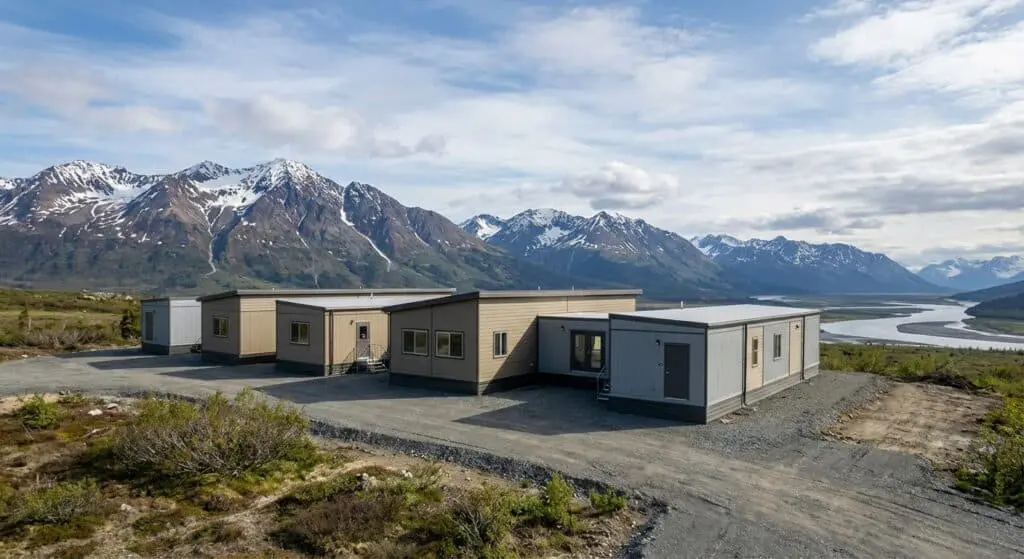
While not strictly tents, modular cabins and pods represent a growing segment of luxury glamping accommodations. These pre-fabricated structures offer enhanced durability, security, and often include full amenities like private bathrooms and kitchenettes. They blend the comfort of a small home with the unique experience of being in nature. For businesses offering luxury experiences, such as those providing glamping tents in Downtown Denver, CO, modular options can be a significant draw, especially when considering designs for wellness, as detailed in our modular wellness units spa design guide for more.
How to Set Up Your Glamping Tents
Setting up your glamping tents correctly ensures both comfort and longevity. While the exact process varies by model, a systematic approach makes the task straightforward. Proper setup is crucial for enjoying the full experience that glamping offers.
Whether you’re establishing a temporary retreat or a more permanent fixture, understanding these steps is key to getting your glamping tents ready for adventure. For guidance on selecting the right tent for your needs, consider this helpful article on how to choose a glamping tent.
Choose Your Site Wisely: Select a flat, level area free of sharp objects. Consider drainage, especially if rain is expected, and orient your tent to best capture sunlight or shade, depending on your preference. For detailed considerations on where to set up, explore our insights into glamping environments.
Unpack and Lay Out Components: Carefully remove all parts from their bags. Lay out the tent fabric, poles, stakes, and guy lines. Familiarize yourself with each component before beginning assembly. This step prevents confusion and potential damage during the setup process.
Assemble the Frame: Connect the tent poles according to the manufacturer’s instructions. Many glamping tents utilize a modular frame system. Ensure all connections are secure, as a sturdy frame is vital for structural integrity.
Attach the Tent Body: Drape the tent fabric over the assembled frame. Secure it to the frame using clips, ties, or sleeves, working systematically from one end to the other. Pay attention to door and window placements.
Stake Down the Base: Secure the base of the tent to the ground using stakes. This provides foundational stability and prevents the tent from shifting in wind. Ensure the tent fabric is taut but not overly stretched.
Erect and Tension Guy Lines: Attach guy lines to designated points on the tent and stake them firmly into the ground, away from the tent’s base. Proper tensioning of guy lines is critical for resisting wind and maintaining the tent’s shape. This is particularly important for larger glamping tents.
Set Up Interior Elements: Once the main structure is secure, you can begin setting up interior components such as partitions, flooring, and any integrated furniture. Consider how the layout will enhance your glamping experience.
Final Inspection: Walk around your assembled glamping tent, checking all connections, stakes, and tensioning. Make any necessary adjustments to ensure everything is secure and properly aligned. This final check helps confirm your glamping tents are ready for use.
Maintenance and Care for Glamping Tents
Proper maintenance and care are crucial for extending the lifespan and ensuring the optimal performance of your glamping tents. Neglecting these steps can lead to premature wear, damage, and a diminished glamping experience.
Regular cleaning and inspection are fundamental to keeping glamping tents in top condition. For instance, understanding the material is key, as highlighted in our discussion on Canvas Glamping Tents. This knowledge will guide you in choosing appropriate cleaning agents and methods, much like understanding the benefits of modular dorms over traditional housing.
Cleaning Protocols for Glamping Tents
Maintaining the pristine condition of glamping tents involves specific cleaning practices depending on the material and level of dirt accumulation. If you’re considering different types of structures for events, understanding the fabrics used is essential, as detailed in our guide to event tent fabrics for more.
- Routine Cleaning: Regularly brush off loose dirt, dust, and debris from both the interior and exterior of the tent.
- Spot Cleaning: For minor stains, use a soft cloth with mild soap and water. Gently blot the affected area and rinse thoroughly.
- Deep Cleaning: Annually or bi-annually, depending on usage, deep clean the tent using a specialized tent cleaner. Avoid harsh chemicals or detergents that can degrade the fabric’s waterproofing and UV resistance.
- Mold and Mildew: If mold or mildew appears, treat it immediately with a diluted solution of white vinegar or a commercial mold remover designed for tent fabrics. Ensure the tent is completely dry before storage to prevent recurrence.
Storage Best Practices for Glamping Tents
Proper storage is essential to prevent damage and deterioration of glamping tents during periods of non-use. Following these guidelines will protect your investment. For more information on tent types, consider this guide to event tent types, which also discusses how modular structures can enhance hospitality experiences.
- Thorough Drying: Always ensure your glamping tents are completely dry before packing them away. Even slight dampness can lead to mold, mildew, and unpleasant odors.
- Clean Before Storing: Remove all dirt, debris, and stains before storage. Any remaining organic matter can attract pests or cause fabric degradation over time.
- Proper Folding: Fold the tent loosely rather than tightly rolling it to avoid stress points and permanent creases in the fabric. This also helps prevent damage to coatings.
- Ventilated Storage: Store the tent in a cool, dry, and well-ventilated area, away from direct sunlight and extreme temperature fluctuations. A breathable storage bag is ideal.
- Protect from Pests: Use pest repellents or store in airtight containers if pest infestation is a concern in your storage area.
Repair and Longevity Tips
Addressing minor damages promptly can significantly extend the life of your glamping tents. Small tears or leaks, if left unattended, can escalate into larger, more costly problems. Understanding the different types of event tent fabrics can help you choose the most durable option for your needs, which is crucial for longevity. For instance, when considering whether to buy vs rent canopies, understanding the long-term value of ownership is important.
Keep a repair kit handy for quick fixes. This kit should include patches, seam sealer, and replacement stakes. Regularly inspect seams, zippers, and poles for any signs of wear or damage. Proactive maintenance for glamping equipment can save you from unexpected issues during your next outdoor adventure, especially when considering the range of glamping tent options available.
Cost Considerations for Glamping Tents
Understanding the investment required for glamping tents is crucial for anyone looking to enter the glamping market or enhance their existing setup. The initial purchase price is just one component; factors such as material quality, size, and included features significantly influence the overall cost. For those considering glamping ventures, exploring the various glamping options can provide a clearer picture of potential expenses, and understanding whether buying or renting is more cost-effective is also important, as detailed in our analysis of event canopy options.
When evaluating glamping tents, it’s important to consider their long-term value. Durable materials and thoughtful design can lead to a longer lifespan and reduced maintenance costs, ultimately providing a better return on investment. Whether you are setting up a single tent or an entire glamping resort, these factors will impact your budget.
Different types of glamping tents come with varying price tags, largely due to their construction and amenities. For instance, robust canvas glamping tents, known for their longevity and weather resistance, often command a higher price than lighter, more temporary structures. Location-specific considerations, such as those for glamping tents in Downtown Denver CO, can also influence delivery and setup costs.
Here’s a general breakdown of price ranges for various glamping tent types:
| Tent Type | Approximate Price Range (USD) | Key Features Influencing Cost |
|---|---|---|
| Bell Tents | $300 – $2,000+ | Canvas material, size, stove jack, integrated flooring |
| Safari Tents | $2,000 – $15,000+ | Robust frame, multiple rooms, extended patios, luxury finishes |
| Yurt Tents | $1,000 – $10,000+ | Wood or metal lattice, insulation options, floor kits, durable covers |
| Geodesic Domes | $3,000 – $30,000+ | Structural integrity, transparent panels, size, interior customization |
| Modular Cabins | $5,000 – $50,000+ | Pre-fabricated sections, advanced insulation, full amenities, customization |
Beyond the initial purchase, prospective buyers should also factor in ongoing costs such as site preparation, furniture, utilities, and regular maintenance. Investing in quality canvas glamping tents can lead to significant savings over time due to their resilience and ease of repair.
Environmental Impact and Sustainability
As glamping continues to grow in popularity, understanding the environmental impact of glamping tents becomes increasingly important. Sustainable practices ensure that the enjoyment of nature does not come at its expense. Choosing eco-friendly glamping tents and accessories contributes to preserving natural environments for future generations, much like considering the benefits of modular vs traditional tents for site offices.
Several factors influence the environmental footprint of glamping tents, including the materials used, manufacturing processes, and the lifespan of the product. Responsible production and consumption choices are key to minimizing negative effects.
Sustainable Materials for Glamping Tents
The materials chosen for glamping tents play a significant role in their sustainability profile. Opting for natural, recycled, or responsibly sourced materials can drastically reduce environmental impact. When considering tent structures, understanding the differences between modular tents vs traditional tents can also inform your sustainable choices.
- Organic Cotton and Canvas: These natural fibers are biodegradable and often require less energy to produce than synthetic alternatives. For instance, canvas glamping tents offer both luxury and durability, making them a sustainable choice for many.
- Recycled Polyester: Made from post-consumer plastic, recycled polyester reduces waste and the demand for new petroleum-based plastics.
- Bamboo and Wood: For structural components or interior furnishings, bamboo and sustainably harvested wood are renewable resources that offer a lower carbon footprint compared to metal or plastic.
- Non-Toxic Treatments: Look for glamping tents treated with eco-friendly, non-toxic fire retardants and waterproofing agents to avoid harmful chemical runoff.
Manufacturing and Lifecycle Considerations
Beyond materials, the way glamping tents are manufactured and how long they last contribute to their overall sustainability. Supporting companies with transparent and ethical manufacturing processes is vital.
The durability of glamping tents directly impacts their sustainability. A tent that lasts many years reduces the need for frequent replacements, thereby lowering resource consumption and waste. Our detailed guide on canvas glamping tents: luxury vs. durability delves deeper into how material choice affects longevity, and you can also explore the differences between glamping domes and event tents for campus solutions.
Sustainable Practices for Glamping Sites
Choosing the right type of tent is crucial for a sustainable glamping business; explore options like how to choose the right glamping tent to make an informed decision.
Operating a glamping site with environmental responsibility is just as important as choosing sustainable glamping tents. Practices such as waste reduction, water conservation, and energy efficiency can significantly lessen ecological impact.
Consider implementing renewable energy sources like solar power for lighting and heating. Minimizing light pollution helps protect nocturnal wildlife and allows for better stargazing. Additionally, proper waste management, including recycling and composting, reduces landfill contributions. For those considering unique structures, understanding the factors for buying glamping domes can be beneficial.
Embracing a broader vision for glamping involves not just luxurious accommodations but also a deep respect for the natural world. Choosing products that align with these values helps foster a more sustainable future for outdoor hospitality.
Where to Buy Glamping Tents
Finding the right glamping tents involves exploring various reputable suppliers and considering factors specific to the North American market. Whether you’re planning a personal retreat or establishing a commercial glamping site, the purchasing process requires careful attention to quality, durability, and customer support. For guidance on selecting the ideal tent, review our guide to choosing a glamping tent, such as the unique design of the Looking Glass.
There are several avenues for acquiring glamping tents, each offering distinct advantages. Understanding these options will help you make an informed decision for your unique needs.
Reputable Online Retailers
Many specialized online retailers offer a wide selection of glamping tents. These platforms often provide detailed product descriptions, customer reviews, and comparative features, making it easier to assess various models. Look for retailers that specialize in outdoor equipment or canvas tents to ensure expertise and quality products, such as the innovative designs found in the Safari Tent Mod.
- Extensive product ranges, often including bell tents, safari tents, and geodesic domes.
- Detailed specifications and material breakdowns for informed choices.
- Customer reviews and ratings that provide insights into real-world performance.
- Convenient delivery options across North America.
Direct from Manufacturers
Purchasing glamping tents directly from the manufacturer can offer several benefits, including access to the full product line, customization options, and direct customer support. Manufacturers often have specialized knowledge about their products and can provide valuable guidance.
This approach can be particularly beneficial for businesses looking to outfit multiple sites or those with specific design requirements. For example, our team specializes in various types of glamping tent solutions, ensuring tailored options like the innovative Wave Mod are available.
Specialty Outdoor and Camping Stores
While less common for high-end glamping tents, some larger outdoor and camping stores might carry a limited selection. These stores allow you to physically inspect the tents, which can be helpful for understanding their size, materials, and overall construction quality before committing to a purchase.
However, their inventory for specialized glamping tents may not be as diverse as online retailers or direct manufacturers. For a more focused selection, exploring canvas glamping tents could be a great starting point, or consider options like the spa mod for a unique experience.
Considerations for North American Buyers
When buying glamping tents in North America, several key factors should influence your decision. These include shipping costs, warranty coverage, and the availability of local support or installation services. Climate suitability is also crucial; ensuring your chosen tent can withstand diverse weather conditions across the continent is essential for longevity and comfort.
Additionally, check for local regulations or permits required for setting up certain types of glamping structures. For instance, if you’re setting up a glamping site, such as for glamping tents Downtown Denver CO, understanding local zoning and building codes is vital. For modular hospitality solutions, consider exploring the Tubbo Modular Hospitality Landing Page.
Real-World Applications and Case Studies
Glamping tents offer incredible versatility, finding their place in diverse settings across North America. From remote wilderness retreats to urban pop-up experiences, these structures redefine luxury outdoor living. Our team has worked with numerous businesses, observing firsthand how well-chosen glamping tents can elevate guest experiences and provide unique accommodations.
For instance, a resort in the Rocky Mountains utilizes robust canvas glamping tents to provide guests with an immersive nature experience without sacrificing comfort. These canvas glamping tents are designed to withstand harsh weather conditions, offering insulation during colder months and ventilation in the summer. This allows the resort to extend its operating season and cater to a wider range of visitors seeking both adventure and relaxation.
Another compelling example involves a pop-up event venue that frequently deploys glamping tents for festivals and private gatherings. Their choice of modular, easy-to-assemble glamping tents enables quick setup and takedown, providing luxurious temporary lodging for attendees. This highlights the adaptability of glamping structures for various commercial applications, including those found in bustling urban centers, like the specialized glamping tents in Downtown Denver, CO.
These real-world applications underscore the growing demand for high-quality glamping tents that combine aesthetic appeal with practical functionality. As glamping continues to evolve, businesses are increasingly investing in durable and comfortable structures to meet customer expectations. Understanding the broader glamping industry and its diverse needs is essential for any potential buyer or operator, especially when considering options like the Invicta modular system.
Your Next Steps to Owning Glamping Tents
Embarking on the journey to acquire your own glamping tents is an exciting prospect. To ensure you make the best decision, it is crucial to move forward with informed choices and a clear understanding of your needs. Begin by revisiting your initial requirements, such as the size, features, and intended use for your glamping setup.
Considering the variety of available options, from spacious canvas bell tents to more structured safari designs, will help narrow down your search. Exploring specific features, like those found in canvas glamping tents, can refine your preferences and lead you to the ideal selection. Remember to factor in durability and ease of setup.
To guide your final decision, consider these essential next steps:
- Refine Your Vision: Clearly define the purpose of your glamping tents. Are they for personal use, a commercial venture, or a blend of both? This clarity will influence your choices regarding size, features, and budget.
- Research Suppliers Thoroughly: Look for reputable suppliers known for quality and customer service. Reading reviews and comparing different models will help you assess reliability and value.
- Consider Location and Climate: The environment where your glamping tents will be used is paramount. Factors like wind resistance, waterproofing, and insulation vary greatly between models.
- Budget Planning: Establish a realistic budget that covers not only the cost of the glamping tents but also any necessary accessories, site preparation, and potential maintenance.
- Seek Expert Advice: Don’t hesitate to consult with experts in the glamping industry. Their insights can provide valuable guidance on specific models, materials, and long-term care. You can also learn more about glamping as an industry.
- Explore Installation Options: Understand the setup requirements for your chosen glamping tents. Some models might benefit from professional installation, especially for larger or more permanent structures. For those interested in local options, exploring services for glamping tents Downtown Denver CO can provide a starting point.