Understanding Geodesic Domes vs Tents
When considering outdoor structures, the choice between Geodesic Domes vs. Traditional Tents often arises, each offering distinct advantages and characteristics for various applications. While both serve as temporary shelters, their design, structural integrity, and aesthetic appeal differ significantly, influencing their suitability for events, glamping, or storage.
Geodesic domes are renowned for their unique spherical shape and robust framework, which distribute stress evenly across the structure, providing exceptional stability. Traditional tents, on the other hand, encompass a wide range of designs, from simple pop-ups to elaborate pole or frame tents, offering versatility in size and configuration. For those planning large gatherings, understanding common questions about renting large-scale event tents can be very helpful, and exploring options for buy vs rent canopies can inform your decision.
This comparison aims to highlight the core distinctions between these two popular outdoor shelter options, helping individuals and businesses make informed decisions based on their specific needs for durability, aesthetics, ease of setup, and overall cost-effectiveness.
What is a Geodesic Dome?
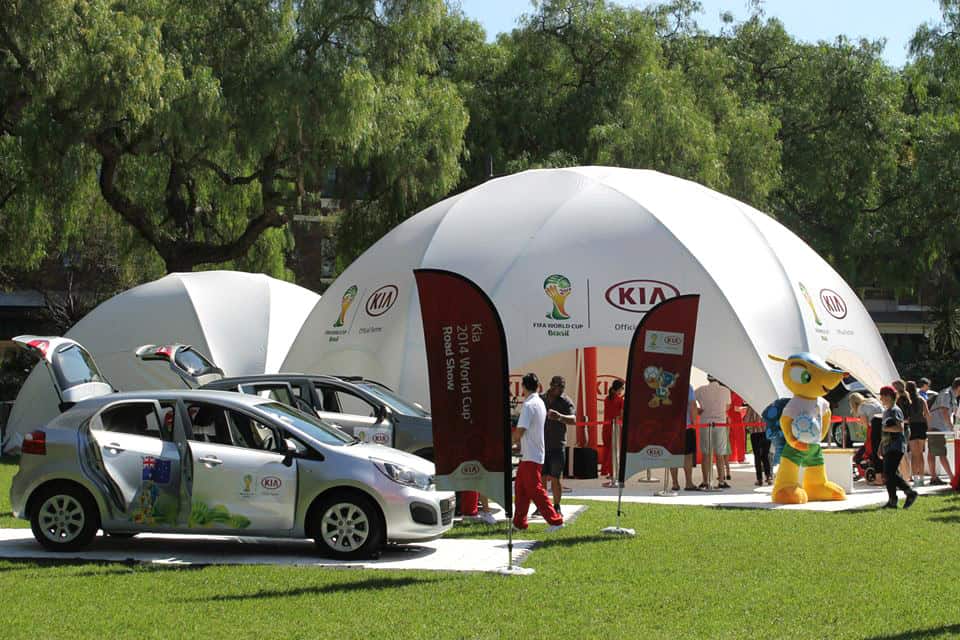
A geodesic dome is a spherical or partially spherical shell structure or lattice, based on a network of triangles that approximate a sphere. This design distributes stress efficiently, making geodesic domes exceptionally strong and stable, capable of withstanding significant wind and snow loads. They are often used for greenhouses, event spaces, and unique residential applications, offering a visually striking and structurally sound shelter. For an in-depth look at different types of event structures, consider exploring Strohboid vs PVC structures for more.
A geodesic dome is a spherical or hemispherical shell structure composed of a network of triangles. This unique architectural design creates an incredibly strong and lightweight enclosure capable of spanning vast areas without internal supports. For a deeper dive into the differences, explore our dome vs tent design comparison.
Invented by Buckminster Fuller, the geodesic dome leverages principles of geometry and engineering to distribute stress evenly across its surface. This inherent strength is a key factor when considering Geodesic Domes vs. Traditional Tents for various applications. For a detailed comparison, explore our guide on dome vs tent creative structures.
The construction of a geodesic dome typically involves:
- A framework of interconnected struts forming triangular elements.
- These triangles are assembled to create a self-supporting spherical shape.
- The exterior is then covered with various materials, such as translucent fabric, metal panels, or glass, depending on the intended use and desired aesthetic.
This design makes them exceptionally resistant to harsh weather conditions, including high winds and heavy snow loads. Their unique appearance and structural efficiency distinguish them significantly from traditional tent designs.
What is a Traditional Tent?
Traditional tents encompass a broad category of temporary shelters, recognized by their classic designs and conventional materials. Unlike the geometric complexity of geodesic domes, these tents typically rely on poles, frames, or a combination of both to create their structure. They are a familiar sight at outdoor events, offering versatile solutions for various needs.
The primary distinction when considering Geodesic Domes vs. Traditional Tents often lies in their construction principles. Traditional tents are fundamentally designed to provide shelter and define space, making them highly adaptable for different environments and functions. Understanding different types of event tent fabrics can help you choose the best option for your needs.
Common Forms of Traditional Tents
Traditional tents come in several widely recognized forms, each offering distinct advantages in terms of setup, stability, and aesthetics.
Pole Tents: These tents use one or more central poles and a series of side poles to support the tent fabric, which is then tensioned with ropes and stakes. They are often characterized by their elegant, peaked roofs and are popular for weddings and formal events due to their classic appearance.
Frame Tents: Utilizing a freestanding metal frame, frame tents do not require central poles, maximizing usable interior space. The fabric cover is draped over the frame, making them highly versatile for various layouts and applications, from corporate events to storage. For more information on event structures, consider these innovative modular structures for more.
Pop-Up/Canopy Tents: Smaller and designed for quick assembly, pop-up tents or canopies are ideal for backyard parties, market stalls, or temporary shelters. They typically feature a collapsible frame that expands and locks into place, covered by a lightweight fabric.
Materials and Construction
Understanding the various types of event tent fabrics is crucial for selecting the right shelter for your needs, as different materials offer varying degrees of durability, weather resistance, and aesthetic appeal. For more information on this topic, you can explore different types of event tent fabrics for more.
The materials used in traditional tents are chosen for their durability, weather resistance, and ease of handling. Tent fabrics are typically made from:
Canvas: A traditional material, known for its breathability and durability, often used for more rugged or long-term camping tents.
Polyester: A common synthetic fabric, often coated for waterproofing, UV resistance, and tear strength, making it suitable for a wide range of event tents.
Vinyl: A heavy-duty, waterproof material frequently used for larger frame and pole tents, offering excellent protection against the elements and easy cleaning.
Poles and frames are usually constructed from aluminum, steel, or fiberglass, providing the necessary support and stability for the tent structure.
Typical Uses and Versatility
Traditional tents are incredibly versatile and are deployed for a multitude of purposes:
Events: They are a staple for weddings, corporate gatherings, festivals, and private parties, providing sheltered spaces for guests, dining, and entertainment.
Commercial Applications: Used as temporary retail spaces, trade show booths, or storage facilities, offering flexible and rapidly deployable solutions.
Emergency Shelters: In disaster relief scenarios, traditional tents offer immediate shelter for displaced populations due to their relatively quick setup and practicality.
Understanding the different types of event tent fabrics can help you choose the best material for your specific needs. For a more luxurious outdoor experience, consider how to choose the right glamping tent.
Their adaptability in size, shape, and interior customization makes them a preferred choice for many seeking a conventional and functional temporary structure.
Structural Integrity Comparison
When evaluating Geodesic Domes vs. Traditional Tents, structural integrity stands as a critical differentiator, influencing safety, longevity, and performance under varying environmental conditions. Geodesic domes are renowned for their inherent strength, stemming from their unique geometric design.
A geodesic dome’s framework consists of interconnected triangles, which efficiently distribute stress across the entire structure. This design principle allows domes to withstand significant external forces, including high winds and heavy snow loads, often surpassing the capabilities of many traditional tent designs.
Traditional tents, on the other hand, rely on different structural approaches. Pole tents utilize central poles and tension from guy lines, while frame tents employ a rigid metal framework. Both types require careful anchoring and can be susceptible to wind uplift or collapse if not properly secured, especially in severe weather. For a deeper dive into tent types, explore our quick guide to event tent types for more.
Geodesic dome assembly can be more involved than traditional tents, often requiring a deeper understanding of their unique construction. For more details on event tent setup, consider reading about common questions about renting large-scale event tents for more.
Geodesic domes are known for their intricate, yet robust, designs. Their assembly involves connecting numerous struts and hubs to form a self-supporting spherical lattice. This process, while resulting in an incredibly strong structure, can be more complex and time-consuming compared to setting up a traditional tent. For a detailed comparison, consider exploring the differences between these two creative structure types.
- Specialized Labor: Dome assembly often requires a skilled crew familiar with the geometric patterns and connection systems.
- Foundation Needs: While many domes are freestanding, larger models might require a more substantial base or anchoring system for optimal stability.
- Tools and Equipment: Specific tools for connecting hubs and struts, along with lifting equipment for larger panels or higher sections, are frequently necessary.
- Time Commitment: The precise nature of dome construction generally translates to a longer installation period, which needs to be factored into event schedules.
Traditional Tent Setup
Traditional tents encompass a range of styles, including pole tents and frame tents, each with distinct setup requirements. Generally, these structures are designed for relatively straightforward and quicker assembly, making them a popular choice for many events.
- Component Density: Domes break down into many individual struts and panels, which can be compact for shipping but require careful organization.
- Weight Distribution: While individual components might not be excessively heavy, the sheer volume of parts can accumulate, necessitating efficient packing.
- Specialized Transport: Larger dome components or custom-designed elements may require specific transport vehicles or handling procedures.
- Traditional Tents:
- Bulkier Components: Tent poles, frames, and fabric panels are often larger and less dense than dome components, requiring more storage space.
- Standardized Transport: While bulkier, traditional tent components are often standardized, allowing for easier transport using conventional trucks or trailers.
- Familiar Logistics: Event crews are generally familiar with the logistics of transporting and handling traditional tent materials, making setup and teardown more straightforward. For more on tent types, see our event tent types guide for more.
- Fewer, Larger Pieces: Often, traditional tents consist of larger fabric sections, poles, and frame pieces, which can be less numerous than dome components.
- Standardized Packing: Poles and fabric can usually be rolled or folded, fitting into standard shipping containers or trailers more readily.
- Accessibility: The simpler component shapes of traditional tents often allow for easier loading and unloading without highly specialized equipment.
Durability and Weather Resistance
When comparing Geodesic Domes vs. Traditional Tents, durability and weather resistance are critical factors. Geodesic domes are renowned for their exceptional structural integrity, often outperforming traditional tents in harsh conditions.
Their unique geometric design, composed of interconnected triangles, distributes stress evenly across the entire structure. This inherent strength allows them to withstand high winds, heavy snow loads, and seismic activity far better than many conventional tent designs.
Traditional tents, while versatile, vary greatly in their weather resistance. Pole tents and frame tents rely on different support systems, with frame tents generally offering more stability in moderate weather due to their rigid metal framework. However, they can still be vulnerable to strong winds and heavy precipitation without proper anchoring and material quality. For a deeper dive into tent materials, explore our understanding of event tent fabrics.
The materials used also play a significant role in the longevity and resilience of both structures. Geodesic domes typically feature heavy-duty, UV-resistant PVC or similar composite fabrics, often paired with robust steel or aluminum frames. These materials contribute to their long lifespan and ability to maintain structural integrity over many years of use.
In contrast, traditional tents can be made from a wide array of materials, from lightweight canvas for recreational use to heavy-duty vinyl for event rentals. The durability of a traditional tent is often directly proportional to the quality and thickness of its fabric, as well as the strength of its poles and connectors. Proper maintenance, including regular cleaning and inspection, is essential for extending the life of any tent structure. For more on tent materials, explore different types of event tent fabrics.
Cost Considerations: Domes vs. Tents
When evaluating Geodesic Domes vs. Traditional Tents, understanding the financial implications is crucial for making an informed decision. The overall cost extends beyond the initial purchase price, encompassing factors such as installation, maintenance, and long-term durability.
While traditional tents often present a lower upfront investment, geodesic domes can offer superior longevity and resilience, potentially leading to reduced replacement costs over time. Event planners and businesses must consider these varied expenses to determine the true value of each structure, and our guide to dome vs tent design can help clarify the differences, much like understanding the benefits of modular wellness units for resorts.
| Cost Factor | Geodesic Domes | Traditional Tents |
|---|---|---|
| Initial Cost | Generally higher due to complex engineering and specialized materials. | Typically lower, especially for standard pole or frame tents. |
| Installation Expenses | Requires specialized crew and equipment, leading to higher labor costs and longer setup times. | Often quicker to install with standard crews, reducing labor costs. |
| Maintenance | Durable materials and robust design often require less frequent maintenance; easy to clean surfaces. | Can require more frequent cleaning, repairs to fabric, and replacement of poles or frames due to wear. |
| Lifespan & Durability | Designed for extreme weather, offering a longer lifespan and better ROI over many years. | Varies widely; simpler models have shorter lifespans, while high-quality frame tents can last for many years with proper care. |
| Resale Value | Often maintains a higher resale value due to their unique appeal and structural integrity. | Resale value can be moderate, depending on the tent’s condition and market demand. |
The choice between Geodesic Domes vs. Traditional Tents is not solely about the sticker price. It involves weighing the initial outlay against the benefits of durability, lower long-term maintenance, and the potential for a longer service life, which can ultimately yield a better return on investment.
Applications and Use Cases
Understanding the diverse applications for both geodesic domes and traditional tents is crucial when deciding which structure best fits specific needs. Each structure excels in particular environments and for certain types of events or uses. The comparison of Geodesic Domes vs. Traditional Tents often comes down to the intended purpose and the unique advantages each offers. For more information on different tent types, you can explore our quick guide to event tent types.
Here are common applications and use cases for these versatile structures:
- Events and Festivals. Geodesic domes offer a striking, modern aesthetic ideal for high-profile events, concerts, or immersive experiences, often used for projection mapping and unique visual displays. Traditional tents, with their classic appeal, are widely used for weddings, corporate gatherings, and community festivals, providing a more conventional event space.
- Temporary Shelters and Storage. Traditional tents are frequently deployed as temporary shelters for emergency relief efforts, construction site covers, or general storage due to their straightforward setup and adaptability. Geodesic domes, with their superior strength, can serve as more robust temporary shelters in harsh climates or for long-term storage of sensitive equipment.
- Glamping and Eco-Tourism. Geodesic domes are increasingly popular in the glamping industry, offering unique, comfortable, and visually appealing accommodations that blend with natural surroundings. While traditional tents can also be used for glamping, domes provide a more upscale and distinct experience. For more on choosing the right glamping tent, see how to choose a glamping tent for more.
- Exhibitions and Trade Shows. Both structures are excellent for exhibitions. Geodesic domes create memorable, branded spaces that draw attention, while traditional tents provide flexible layouts for multiple booths and easier access for attendees. The choice between Geodesic Domes vs. Traditional Tents for these applications depends on the desired impact and layout complexity.
- Workshops and Educational Spaces. Domes can offer an inspiring and open environment for workshops, yoga retreats, or educational programs, benefiting from natural light and a sense of spaciousness. Traditional tents are suitable for more formal classroom settings or smaller group activities, providing a contained and customizable space.
Choosing the Right Structure
Deciding between Geodesic Domes vs. Traditional Tents requires a careful evaluation of several factors unique to your specific needs. Both options offer distinct advantages, and the optimal choice depends heavily on your event type, budget, and aesthetic preferences.
To help you make an informed decision, consider the following key points before committing to either a geodesic dome or a traditional tent. For a deeper dive into the differences, explore our guide on dome vs tent design.
Consider Your Event’s Purpose and Aesthetic: Geodesic domes often provide a modern, eye-catching appearance suitable for high-tech launches, immersive experiences, or unique glamping setups. Traditional tents, on the other hand, offer a classic and elegant backdrop, ideal for weddings, formal galas, or traditional outdoor events. Think about the overall atmosphere you wish to create.
Evaluate Weather Conditions and Durability Needs: If your event is in an area prone to high winds, heavy snow, or extreme weather, the superior structural integrity of geodesic domes might be a deciding factor. Traditional tents, while durable, may require more extensive anchoring and can be less resilient to severe conditions without specialized reinforcement.
Assess Budget and Long-Term Value: While geodesic domes can have a higher initial cost, their longevity and robust construction can offer better long-term value, especially for frequent use. Traditional tents might be more budget-friendly for one-off events or if you opt for simpler designs. Factor in installation, maintenance, and potential repair costs for both. For more information on tent options, review event tent types.
Review Installation Time and Logistics: Geodesic domes generally demand more time and a specialized crew for assembly due to their complex framework. Traditional tents, particularly modular frame tents, can often be set up more quickly with standard teams. Consider your event timeline and available labor resources.
Determine Space Requirements and Customization Desires: Domes offer vast, clear-span interiors, ideal for open layouts or projection mapping, but their curved walls can be challenging for standard décor. Traditional tents with straight walls provide easier customization for lighting, draping, and branding. Plan your interior layout and see which structure best accommodates it.
Choosing between Geodesic Domes vs. Traditional Tents depends on balancing aesthetic vision, functional requirements, and practical considerations for your specific event or application. For those interested in luxury outdoor accommodations, consider the benefits of a posh outdoors glamping business.
Real-World Performance Insights
Understanding the practical application and long-term viability of event structures is crucial when weighing Geodesic Domes vs. Traditional Tents. Our team has extensive experience observing how these structures perform across diverse environments, from arid deserts to humid tropical climates.
We’ve noted that while traditional tents offer quick deployment for many events, their susceptibility to strong winds and heavy snow loads often limits their year-round utility in extreme conditions. Geodesic domes, conversely, demonstrate remarkable resilience, maintaining structural integrity where traditional tents might falter.
For instance, after experiencing the performance of various structures in diverse climates, we’ve observed that the triangular framework of geodesic domes distributes stress more evenly, allowing them to withstand higher wind speeds and heavier snowfalls without requiring as much additional reinforcement as many traditional tents. This inherent strength makes them a preferred choice for long-term installations or events in unpredictable weather. For a deeper dive into the pros and cons of each, explore our dome vs tent design comparison.
User feedback frequently highlights the aesthetic appeal and unique atmosphere of domes, especially for high-profile events. The open, column-free interior of a geodesic dome provides an expansive canvas for lighting and projection, creating an immersive experience that traditional tents, with their internal poles and often lower ceiling heights, struggle to match.
However, the complexity of geodesic dome installation can be a significant factor. While the final structure is robust, the initial setup typically requires specialized knowledge and more time compared to a standard frame or pole tent. This is a key consideration for events with tight turnaround schedules, and understanding the differences between various dome vs. tent designs can help inform this decision.
Conclusion: Making Your Choice
Deciding between Geodesic Domes vs. Traditional Tents ultimately depends on your specific needs, budget, and the vision for your event or project. Each structure offers distinct advantages and considerations that can significantly impact the outcome.
Geodesic domes excel in providing a modern, resilient, and visually striking space, ideal for high-impact events or environments requiring exceptional durability. Traditional tents, conversely, offer versatility, classic aesthetics, and often a more straightforward setup process for a wide range of applications.
When making your final selection, consider these key factors:
- Purpose: What is the primary function of the structure? Is it for a temporary event, a long-term installation, or a unique experience?
- Environment: Will the structure face extreme weather conditions, or is it for a mild climate?
- Aesthetics: Do you prefer the futuristic appeal of a dome or the classic elegance of a tent?
- Budget: Account for initial costs, installation, maintenance, and potential long-term value.
- Logistics: Evaluate the available space, setup time, and the resources needed for assembly and dismantling.