The Evolution of Resort Design and Innovation
Implementing creative structures has become a cornerstone of modern hospitality, allowing properties to expand their footprint without the permanence of traditional construction. These innovative designs offer a bridge between nature and luxury, providing guests with immersive experiences that standard hotel rooms simply cannot replicate. Explore various creative structure strategies that can enhance resort offerings.
The shift toward tensile structures and modular builds reflects a broader industry trend focusing on speed and aesthetic impact. By utilizing advanced materials, resorts can now deploy high-end accommodations in fractions of the time previously required for site development.
As guest expectations shift toward unique and sustainable stays, creative tent structures provide a versatile solution for operators. These installations harmonize with the landscape while offering the comfort and amenities associated with five-star hospitality.
What Defines Innovation in Modern Hospitality?
Innovation in the hospitality sector is increasingly defined by the intersection of architectural fabric tension and modular engineering. These systems allow for the creation of sweeping, organic shapes that are as durable as they are visually striking. By prioritizing design flexibility, our team can help developers create iconic landmarks that serve as the focal point of a luxury destination.
Structural integrity is never sacrificed for the sake of beauty in these modern applications. High-performance membranes and engineered frames ensure that these units can withstand diverse weather conditions, from heavy snow loads to high winds. This reliability allows for year-round operation in environments that were previously considered seasonal.
Timber-framed glamping pavilions offer structural integrity comparable to traditional builds while maintaining a low environmental footprint.
Furthermore, the move toward canvas glamping tents vs. modular cabins and specialized pavilions allows for a bespoke guest experience. Unlike cookie-cutter resort layouts, these structures can be tailored to the specific topography of a site, ensuring that every installation feels like a natural extension of the environment.
- Material Durability: Utilizing aerospace-grade aluminum, sustainable timber, and weather-resistant polymers to ensure a long lifecycle.
- Site-Specific Aesthetics: Designing structures that complement the local flora and terrain rather than overpowering them.
- Guest Privacy Optimizations: Strategic placement and acoustic insulation that provide an exclusive, secluded atmosphere for high-end clientele.
Enhancing Longevity Through Sustainable Materials
Modern luxury is no longer just about opulence; it is about the story of the build. By choosing sustainable outdoor luxury options, resorts signal their commitment to environmental stewardship. These materials are chosen for their ability to age gracefully, reducing the need for frequent renovations and minimizing the ecological footprint of the resort. For more information on these innovative building methods, consult our guide to sustainable creative structures for more.
Integrating Indoor and Outdoor Living Spaces
The most successful creative structures blur the lines between the interior and exterior. Large panoramic windows and open-air pavilion designs allow guests to feel connected to the environment while enjoying climate-controlled comfort. This integration is essential for projects like building Baya units, where the view is as much a part of the room as the furniture, and choosing the right structure is key, as discussed in our premium event structure guide for more.
Optimizing Operational Flow and Maintenance
Architecture must serve the staff as well as the guests. Strategic design includes discreet service access and low-maintenance surfaces that allow housekeeping and maintenance teams to work efficiently. This operational foresight ensures that the resort remains in pristine condition without excessive labor costs, drawing inspiration from 7 creative structure strategies near luxury resorts, as detailed in our guide to premium event structures.
Strategy 1: Implementing Modular Wellness Units
Modular wellness units offer a flexible and scalable approach to enhancing resort amenities, providing dedicated spaces for spa treatments, fitness, or relaxation. Learn more about these innovative solutions in our modular wellness units spa design guide for more.
Wellness tourism is a primary driver for luxury travel, and modular wellness units allow resorts to capitalize on this trend rapidly. These prefabricated modules can be equipped with saunas, treatment rooms, or yoga studios, providing a dedicated space for rejuvenation that is separated from the main guest areas. Integrating spa mod units into a project allows for a faster return on investment compared to traditional builds.
The scalability of these units means a resort can start with a single treatment room and expand as demand grows. Using modular structures ensures that the guest experience is not interrupted by lengthy, dusty construction cycles, as the units are delivered largely complete. For outdoor events, consider how you can design custom event tents to enhance attendee comfort and brand visibility.
| Feature | Traditional Spa Build | Modular Wellness Unit |
|---|---|---|
| Construction Time | 6-12 Months | 4-8 Weeks |
| Site Impact | High (Heavy Machinery) | Low (Prefabricated) |
| Flexibility | Permanent | Relocatable/Scalable |
| Permitting | Complex | Streamlined |
Strategy 2: The ROI of Semi-Permanent Canopies
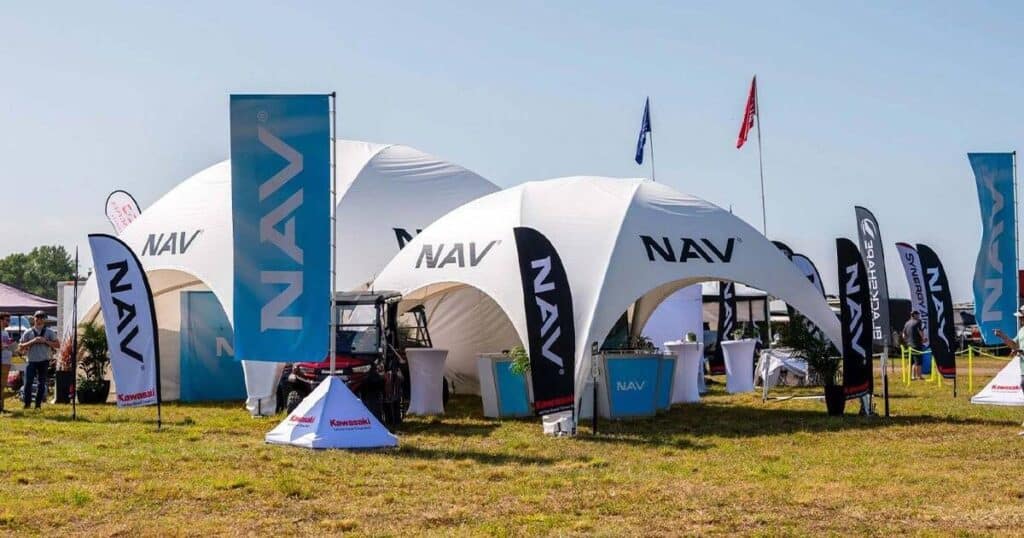
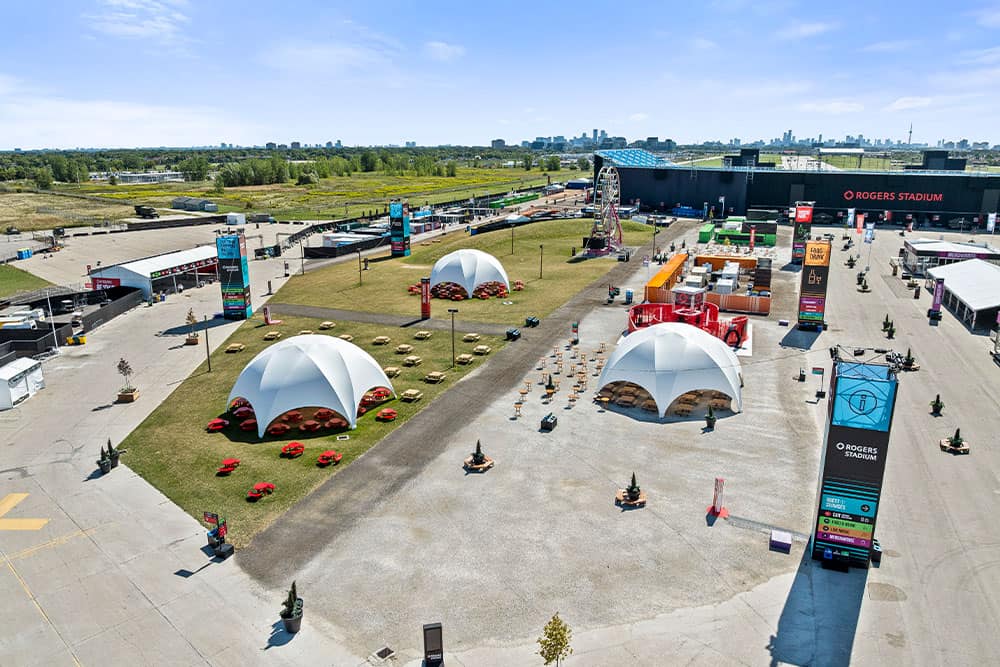
Semi-permanent canopies offer a versatile and cost-effective solution for creating shaded outdoor spaces, event venues, or even unique accommodation options. These structures provide a comfortable environment for guests while minimizing the environmental impact and construction time associated with traditional buildings. Exploring options for creative structures can enhance guest experience and operational efficiency.
For many resorts, the ability to host weddings, corporate retreats, and galas is the difference between a profitable season and a record-breaking one. Investing in high-quality canopies provides a dedicated venue space that protects revenue from weather-related cancellations. When considering the ROI of buying vs. renting, ownership often pays for itself within the first few years of operation.
- Initial Capital Expenditure vs. Rental Savings: Eliminating recurring rental fees for event tents significantly reduces long-term operational costs.
- Projected Annual Event Revenue Increase: A permanent, high-end structure allows the sales team to book events year-round with confidence.
- Maintenance and Lifespan Depreciation: Modern architectural fabrics have lifespans exceeding 15 years, offering excellent value for multi-year projects and more.
- Seasonal Utility Extension: Integrated heating and cooling systems allow these spaces to be utilized in both the height of summer and the depths of winter.
- Total 5-Year ROI Percentage: Most properties see a complete recapture of costs and a net profit increase of 20-30% within a five-year window.
Strategy 3: Selecting Between Domes and Tents
Choosing the right structural shape is critical for both aesthetic appeal and environmental resilience. While classic safari tents evoke a sense of adventure, geodesic domes offer a futuristic look that appeals to a different demographic. When evaluating dome vs. tent design, operators must consider the specific wind and snow loads of their location, and explore options like glamping domes versus event tents for more.
After overseeing numerous creative structures installations in the Toronto area, we’ve found that geodesic domes offer superior wind resistance for coastal resorts. Their aerodynamic shape allows air to flow around the structure rather than catching against flat surfaces, making them an ideal choice for exposed cliffside or beachfront locations. For those looking at glamping domes for sale, the interior volume and natural light are significant selling points for guests.
Strategy 4: Guest Lodging with Hard-Walled Units
While canvas structures offer a traditional glamping feel, many luxury travelers prefer the security and insulation of hard-walled units. These structures provide superior soundproofing and climate control, which are essential for high-end hospitality standards. Comparing canvas glamping tents vs. hard-walled cabins reveals that the latter often results in higher nightly rates and better guest reviews during extreme weather.
These units are particularly effective for year-round lodging solutions for more. They offer the permanence of a cabin with the rapid deployment of a modular build. This allows resort owners to increase their room count quickly without the extensive foundation work required for traditional masonry or timber frame buildings. For events, consider how you might design custom event tents to complement these lodging options, as detailed in our guide to creative structures for more.
Strategy 5: Utilizing Sustainable Pavilions
Embracing eco-friendly materials and designs is increasingly important for resorts aiming to attract environmentally conscious travelers. Exploring our guide to sustainable creative structures can provide valuable insights into options that minimize environmental impact while maximizing aesthetic appeal.
Sustainability has moved from a niche interest to a core requirement for many luxury travelers. Sustainable pavilions, such as those utilizing LVL (Laminated Veneer Lumber) and eco-friendly membranes, offer a high-design solution that respects the environment. Comparing Strohboid structures vs. traditional PVC pavilions highlights the shift toward carbon-neutral materials that do not off-gas or degrade into microplastics.
These pavilions serve as excellent multi-purpose spaces, from outdoor dining areas to lounge spaces. By choosing the best glamping structures in North America, resort owners can ensure their property remains at the forefront of the eco-luxury movement while providing a durable, long-lasting asset.
Strategy 6: Rapid Deployment for Peak Demand
For businesses experiencing seasonal peaks or requiring temporary event spaces, rapid deployment is key. Exploring various creative structures can provide flexible and scalable solutions to meet fluctuating demand without long-term commitments.
The ability to scale capacity during peak seasons ,such as summer festivals or winter ski peaks, is a major advantage of creative structures. Rapid deployment means that additional guest units or dining halls can be installed in a matter of days. Understanding the options for creative tent structures is crucial for planning and ensuring that new inventory is ready before the busy season begins.
This flexibility allows resorts to test new concepts without a massive permanent investment. Whether choosing between Strohboid vs. Magic Sky systems, the goal is always to provide a premium environment that feels intentional and permanent to the guest, even if it was deployed in response to a specific seasonal need.
Strategy 7: Navigating Zoning and Permitting
One of the most complex aspects of adding structures to a resort is ensuring compliance with local regulations. Many creative structures fall into a “grey area” between temporary and permanent buildings, which can affect how they are taxed and permitted. Our team recommends a proactive approach to zoning for glamping and modular hospitality to avoid costly delays. Understanding the differences between various creative structures, such as the benefits of a dome versus tent design, can also assist in navigating these regulations.
- Fire Safety Codes: Ensuring all fabrics are fire-rated and that exit routes meet local safety standards.
- Environmental Impact Assessments: Demonstrating how non-permanent foundations protect the local ecosystem and soil health.
- Local Building Height Restrictions: Coordinating with planners to ensure architectural peaks do not violate view-plane or height bylaws.
Reviewing a case study of similar installations can often help local officials understand the low-impact nature of these builds, streamlining the approval process.
The Future of Luxury Hospitality Structures
The future of resort design lies in the ability to remain agile. As travel trends change and environmental conditions shift, the resorts that thrive will be those that can adapt their physical space without traditional construction’s high costs and long timelines. Creative structures offer the perfect vehicle for this evolution, combining beauty, utility, and profitability.
For operators looking to elevate their property, the transition to modular and tensile architecture is not just a design choice, it is a strategic business move. We invite you to contact our team to discuss how these structures can be integrated into your next project. From expanding our range of premium event structures to creating unique event venues, the possibilities are limited only by the imagination. Consider our custom event tent design guide for inspiration.
Frequently Asked Questions
For those interested in learning more about sustainable building practices, our guide to sustainable creative structures offers valuable insights.
Explore common inquiries regarding the implementation and benefits of creative structures within the luxury hospitality sector. For instance, modular wellness units can be designed with full plumbing and electrical integration to provide a seamless spa or bathroom experience. For a comprehensive overview of sustainable options, consult our guide to modular wellness units for more. If you are considering different types of event structures, our guide to dome vs tent design offers valuable insights.
| Question | Answer |
|---|---|
| How long do these creative structures last? | Most high-end creative structures have a lifespan of 15 to 25 years, depending on the materials used and local weather conditions. |
| Are modular |