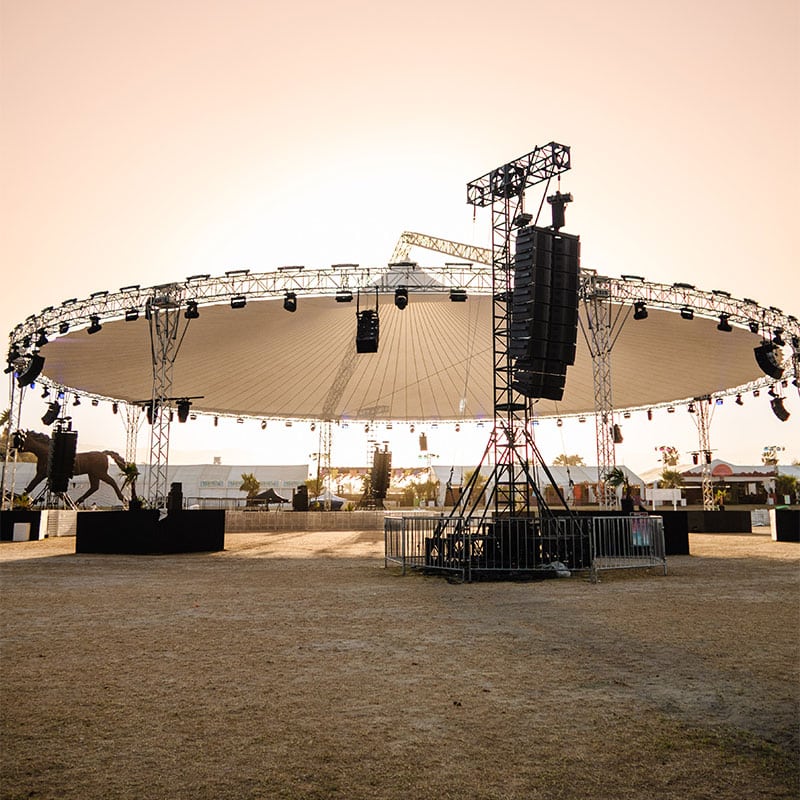
Modern Hospitality Evolution: Modular Design
Innovative Modular Resort Design represents the leading edge of the hospitality industry’s transition toward more efficient, sustainable, and aesthetically striking guest accommodations. As travel demands shift toward unique experiences and rapid development, developers are increasingly moving away from traditional site-built methods in favor of factory-precision components. This evolution allows for the creation of creative structures that can be deployed in diverse environments without the typical delays associated with onsite construction.
By leveraging advanced manufacturing techniques, the modern resort can now incorporate sophisticated elements that were once considered too complex or costly for remote locations. Companies like EJH Distribution are at the forefront of this movement, providing the logistical support and product knowledge necessary to bring these complex visions to life. Integrating Tubbo modular structures into a site plan ensures that a property stands out in a crowded market while maintaining a high standard of luxury.
The shift is not merely about speed; it is about redefining the guest experience through architectural innovation that respects the surrounding landscape. Our team has observed that resorts utilizing these modern methods often achieve a higher level of finish and consistency across all units. This strategic approach to development ensures that every guest enjoys a premium environment, regardless of the geographic challenges of the build site.
Defining the Modular Approach in Luxury Resorts
The concept of modularity in a high-end hospitality context involves the off-site fabrication of high-quality building sections that are later assembled into a cohesive whole. This allows for a level of quality control that is simply unattainable in traditional outdoor construction environments, where weather and local labor variances can impact the final product. By utilizing redefined hospitality experiences, developers can create immersive environments that blend indoor comfort with outdoor beauty seamlessly. These units are often designed with high-performance materials that provide superior insulation and durability, ensuring a long-lasting asset for the property owner.
Adopting an innovative structures guide helps stakeholders understand how different modules—ranging from sleeping quarters to wellness centers—can be interconnected to form a sprawling, luxurious estate. The flexibility of this approach means that a resort can grow organically, adding units as demand increases without the need for massive, disruptive construction phases. This modular philosophy ensures that the luxury aesthetic remains uncompromised, as each piece is engineered to fit perfectly with the next, creating a unified architectural statement that resonates with modern travelers seeking both style and substance.
Modular vs Traditional: A Performance Comparison
When evaluating the best path forward for a new development, a direct comparison between modular and traditional methods highlights significant advantages in efficiency and sustainability. Many owners are finding that modular housing solutions offer a more predictable timeline, which is crucial for meeting seasonal opening dates. Furthermore, when comparing specialized products like Strohboid structures vs traditional pavilions, the differences in material quality and longevity become even more apparent.
| Criteria | Modular Construction | Traditional Building |
|---|---|---|
| Speed | Up to 50% faster completion | Dependent on weather/local labor |
| Cost Predictability | High (Factory controlled) | Low (Site variables/delays) |
| Environmental Impact | Low waste, eco-materials | Higher site disturbance/waste |
Core Principles of Innovative Resort Structures
The technical foundations of modern modular builds rely on a combination of off-site precision and the ability to scale operations rapidly across varying terrains. These innovative resort structures prioritize a minimized site footprint, ensuring that the natural beauty of the destination is preserved during and after the installation process. By choosing sustainable outdoor luxury solutions, developers can market their properties to eco-conscious travelers who value environmental stewardship as much as comfort.
- Rapid Deployment: Modular units can be transported and installed in a fraction of the time required for pouring concrete and framing on-site.
- Architectural Consistency: Factory settings ensure that every unit meets exact specifications, eliminating the “punch list” issues common in traditional builds.
- Minimized Site Footprint: Heavy machinery usage is limited to the final assembly, protecting local flora and reducing soil compaction.
- Scalability: Owners can easily expand their creative tent structures or hard-walled modules as the business grows.
Advanced Engineering for Remote Locations
One of the primary benefits of modular design is the ability to engineer units specifically for high-wind or heavy-snow load environments before they ever leave the factory. This level of technical foresight is essential for resorts located in extreme climates where on-site engineering adjustments are difficult and expensive. By utilizing pre-engineered components, our team ensures that every structure is compliant with local safety codes while maintaining a lightweight and elegant profile.
Precision Prefabrication and Quality Control
In a controlled factory environment, moisture levels, temperature, and dust are all managed to ensure that materials like timber and steel perform at their peak. This precision leads to tighter seals and better-fitting joints, which translates directly to higher energy efficiency and lower utility costs for the resort operator. These innovative structures are built to tolerances that are nearly impossible to achieve in the field.
Customizable Aesthetic Finishes
Modular does not mean “cookie-cutter.” Modern prefab units offer a vast array of customizable finishes, from high-end sustainable cladding to floor-to-ceiling glass walls. This allows each resort to maintain a unique brand identity while benefiting from the structural advantages of modularity. Developers can choose finishes that reflect the local culture and landscape, ensuring the resort feels integrated into its specific destination.
The Financial Landscape: Analyzing ROI
The economic benefits of choosing modular over traditional methods are most visible in the significantly reduced time-to-market. Our professionals often see a 50% reduction in the duration from ground-breaking to the first guest check-in, which drastically improves the internal rate of return for investors. When considering the ROI of buying structures for long-term use, the initial capital expenditure is quickly offset by the early generation of revenue. Analyzing the costs of event canopies and permanent units reveals that modular assets retain their value and offer greater operational flexibility.
- Reduced Site Disruption: Shorter construction windows mean the resort can remain partially operational or open sooner, protecting revenue streams.
- Lowered Labor Overhead: By moving the bulk of the work to a factory, developers avoid the high costs of transporting and housing large construction crews in remote areas.
- Accelerated Booking Windows: Predictable completion dates allow marketing teams to sell rooms and event spaces with confidence months in advance.
Aesthetic Diversity in Modern Prefab Units
Innovative Modular Resort Design has shattered the misconception that prefabricated buildings are limited in style or luxury. Today’s premium design solutions offer architectural versatility that rivals any custom-built estate, allowing for sweeping curves, organic shapes, and transparent volumes that celebrate the environment. Whether integrating a Baya structure for a lounge or a series of guest suites, the aesthetic possibilities are virtually limitless. Comparing premium event structures like Strohboid to traditional alternatives shows a clear preference for the sophisticated, high-design language of modern modularity.
“The architectural versatility found in Strohboid or Tubbo structures represents a new era of premium design solutions. These units offer more than just shelter; they provide a transformative aesthetic experience that can be tailored to the specific branding and environmental needs of any luxury hospitality project.”
Operational Benefits for Resort Owners
Beyond the initial build, modular units offer long-term operational advantages that contribute to a healthier bottom line. Maintenance efficiency is a core benefit, as modular components are often designed for easy access and replacement if needed. Furthermore, the integration of modular wellness units allows owners to offer high-demand services like spas and saunas with minimal operational friction. When comparing glamping domes and tents, the thermal performance of high-quality modular units consistently leads to significant energy savings.
- Maintenance Efficiency: Standardized parts and high-quality factory finishes reduce the frequency and cost of repairs.
- Thermal Performance: Superior insulation and precision-sealed envelopes result in lower heating and cooling costs year-round.
- Enhanced Guest Privacy: Advanced acoustic engineering in modular walls provides a quieter, more private experience for guests compared to traditional lightweight structures.
Navigating Zoning and Compliance for Projects
The regulatory landscape for modular hospitality developments requires a nuanced understanding of both local building codes and specialized zoning requirements. Because modular units are built off-site, the inspection process often happens at the factory level, which can simplify the final approvals on-site if handled correctly. Developers should consult a comprehensive zoning guide to ensure their project meets all safety and environmental regulations. Understanding the nuances of buying glamping domes or permanent modules is essential for a smooth permitting process that avoids costly delays.
The Future of Hospitality Construction
The future of hospitality construction is undeniably modular, driven by a global need for speed, sustainability, and unparalleled design flexibility. As the industry continues to prioritize eco-friendly practices and unique guest experiences, the adoption of premium tents and structures will only increase. By choosing a modular path, resort owners position themselves at the forefront of a movement that values both the guest’s comfort and the planet’s health. For those ready to begin their next development, we invite you to contact our team to explore how innovative design can transform your vision into a reality.
Frequently Asked Questions
Explore common questions regarding the implementation and benefits of modular design in the modern resort landscape. For insights into how these structures are integrated into hospitality projects, consider exploring our modular wellness units guide.
| Question | Answer |
|---|---|
| How long does a modular resort take to build? | Most modular projects can be completed in roughly half the time of traditional construction, often within 4 to 6 months. |
| Are modular units as durable as traditional buildings? | Yes, they are engineered to meet or exceed the same building codes and are often more resilient due to factory-controlled assembly. |
| Can modular designs be customized for luxury branding? | Absolutely. Modern modularity offers extensive customization in materials, layouts, and finishes to match any luxury brand identity. |