
Understanding Temporary, Modular & Pre-Fab Structures in Canada
Temporary, modular, and pre-fabricated structures are increasingly vital components for businesses and organizations across Canada. These innovative building solutions offer unparalleled flexibility and efficiency, addressing a wide range of needs from event spaces to commercial expansions. Their relevance in the Canadian context is underscored by their ability to adapt to diverse climates and project timelines, providing practical and often cost-effective alternatives to traditional construction methods.
The benefits of temporary, modular, and pre-fab structures in Canada are manifold, extending beyond mere speed of deployment. They represent a forward-thinking approach to space utilization, allowing for rapid scaling up or down of operations, which is particularly advantageous in dynamic markets. Exploring a guide to sustainable creative structures can offer further insight into these modern building solutions.
As we delve into the specifics of these structures, it becomes clear why they are becoming a preferred choice for many Canadian enterprises. Their adaptability, combined with the potential for reduced environmental impact and streamlined project management, positions them as a key player in the future of construction and space solutions throughout the nation. Discovering more about various structures can be achieved through resources like a dome vs. tent: creative structure design showdown for more.
What We Offer: Your Source for Modular & Pre-Fab Solutions
EJH Distribution provides a comprehensive suite of temporary, modular, and pre-fabricated structures designed to meet diverse client needs across Canada. Our offerings span a wide spectrum, from elegant event tents to robust industrial buildings, all engineered for quality, durability, and rapid deployment. We pride ourselves on being a single-source provider, ensuring seamless project execution from initial consultation to final installation.
| Service/Product Name | Description |
|---|---|
| The Looking Glass | A unique, transparent modular structure offering panoramic views, ideal for exclusive events and displays. |
| De Waard Tents | High-quality canvas tents known for their durability and classic aesthetic, perfect for glamping and outdoor events. |
| Invicta Modular Structures | Versatile and modern modular building systems offering customisable configurations for a wide array of applications. |
| The Oak (De Waard) | A spacious and robust canvas tent model from De Waard, offering ample space for larger gatherings and accommodations. |
| Strohboid Chalet | A charming and sturdy pre-fabricated chalet structure, providing a cozy and weather-resistant space. |
| Creative Furniture | A selection of unique and stylish furniture pieces to complement any temporary or modular space, enhancing aesthetics and functionality. |
| Creative Structures | A broad category encompassing bespoke and innovative temporary structures designed for unique aesthetic and functional requirements. |
| Full Product Catalog | Explore our complete range of modular and pre-fabricated structures, including tents, cabins, and custom solutions. |
| Industry Solutions | Discover how our modular structures cater to specific needs across various sectors, including events, lodging, and more. |
We Care About Edmonton: Local Expertise for Your Needs
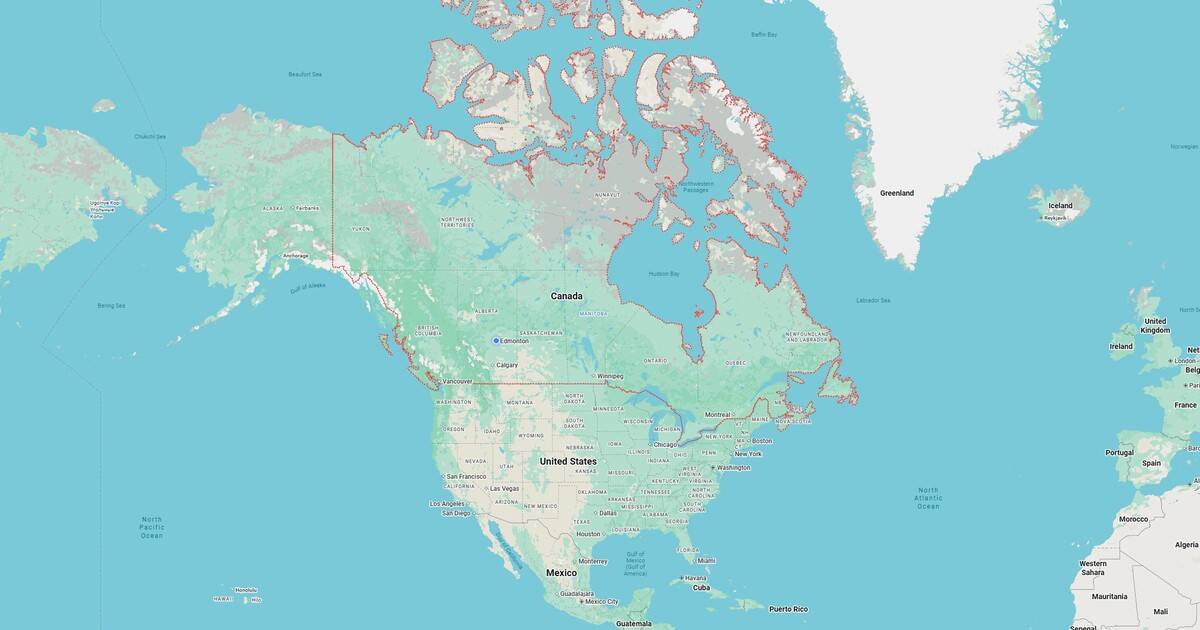
EJH Distribution is deeply committed to serving the Edmonton area with specialized knowledge and tailored solutions. We understand that operating in Alberta’s unique climate, which can range from harsh winters to warm summers, requires structures built to withstand the elements. Our team has extensive experience working with local building codes and regional industry demands, ensuring that every project meets the highest standards of safety and compliance, whether you are looking for creative tent structures or other modular solutions.
- Climate Adaptation. We provide structures designed to perform optimally in Edmonton’s diverse weather conditions, from extreme cold to significant snowfall.
- Regulatory Compliance. Our specialists are well-versed in Edmonton and Alberta’s building regulations, ensuring all installations are compliant and secure.
- Regional Industry Insights. We have a deep understanding of the specific needs of industries prevalent in the Edmonton region, such as oil and gas, events, and construction.
- Local Event Support. Having supported numerous events in the Edmonton area, we know the logistical nuances and aesthetic preferences vital for successful event staging. Explore our guide to designing custom event tents for inspiration.
- Community Focus. Our dedication extends to supporting the local economy and community by providing reliable, high-quality structures that enhance local businesses and initiatives. For instance, we were proud to supply structures for a significant community festival held near the Alberta Legislature Building last summer.
By leveraging our local expertise, we ensure that clients near Edmonton receive solutions that are not only functional but also contextually appropriate and cost-effective. Our goal is to be the premier provider of temporary and modular structures for businesses and organizations throughout the Edmonton region. Understanding the nuances of different structures, such as comparing modular tents vs. traditional tents, is part of our commitment to informed client service.
What Are Temporary Modular Structures?
Temporary modular structures are pre-engineered building components, or entire units, that are manufactured off-site in a controlled factory environment and then transported to a final location for assembly. These structures are designed for a specific period of use, offering a flexible alternative to permanent construction. Their primary purpose is to provide functional space solutions that can be deployed rapidly and, if necessary, relocated or dismantled with relative ease.
The essence of temporary modular structures lies in their efficiency and adaptability. They are built to exacting standards, often exceeding those of traditional site-built structures due to the controlled manufacturing process. This method allows for high-quality construction while minimizing site disruption and construction waste. Exploring options like modular dorms vs. traditional housing highlights their application in creating immediate living or working spaces.
Key characteristics define these structures, distinguishing them from conventional buildings and emphasizing their temporary nature and modular design. Understanding these features is crucial for selecting the right solution for any given project. For example, comparing modular tents vs. traditional tents illustrates the distinct advantages of modularity.
- Off-Site Fabrication. Components are built in a factory, ensuring consistent quality control and reduced on-site labor.
- Rapid Deployment. Assembly at the site is significantly faster than traditional construction, minimizing project timelines.
- Flexibility and Scalability. Structures can be easily expanded, reconfigured, or relocated to meet changing needs.
- Designed for Specific Duration. While durable, they are intended for use over a defined period, offering a cost-effective solution for short-to-medium term needs.
- Controlled Environment Manufacturing. Building in a factory protects materials and processes from weather, ensuring higher build quality.
Key Features and Benefits of Temporary Modular Buildings
Temporary modular buildings offer a compelling blend of speed, cost-effectiveness, and customisation, making them an attractive option for a wide array of applications. Their design and construction process are optimised for efficiency, delivering functional spaces faster and often at a lower overall cost than conventional building methods. This makes them ideal for businesses requiring quick expansions, event organisers needing versatile venues, or companies facing unexpected space demands. For inspiration on unique and eco-friendly designs, explore our guide to sustainable creative structures for more.
Speed of Deployment and Reduced Disruption
One of the most significant advantages of temporary modular buildings is their rapid deployment. Because a substantial portion of the construction occurs off-site in a controlled factory environment, on-site assembly is significantly faster. This minimises disruption to existing operations or surrounding areas, a critical factor for businesses operating in busy urban centres or sensitive environments. The accelerated timeline means projects can be completed in weeks rather than months, allowing organisations to benefit from new spaces much sooner. Understanding the event tent setup time provides a clear picture of this efficiency.
Cost-Effectiveness and Budget Control
Temporary modular buildings often present a more budget-friendly solution compared to traditional construction. The efficiencies gained from factory production, reduced labour time on-site, and minimised waste contribute to significant cost savings. Furthermore, the predictable nature of off-site construction allows for better budget control, with fewer unforeseen expenses. This financial predictability is invaluable for project planning and management. Explore various creative structure options to see how they fit within different budgets, such as when you design custom event tents for your next gathering.
Customisation and Adaptability
Despite their prefabricated nature, temporary modular buildings offer a surprising degree of customisation. Clients can often specify layouts, finishes, sizes, and features to meet their unique requirements. This adaptability ensures that the structure not only serves its intended purpose but also aligns with the client’s aesthetic preferences and operational needs. Whether it’s for a unique event or a specific business function, these buildings can be tailored to fit. Discovering creative tent structures showcases the design possibilities, offering unique event solutions.
- Design Flexibility. Options for custom layouts, window placements, and door configurations.
- Material Choices. Selection of interior and exterior finishes to match project aesthetics and functional needs.
- Scalability. Ability to add or reconfigure modules as requirements change over time.
- Integrated Systems. Options for incorporating essential services like HVAC, plumbing, and electrical systems during fabrication.
Common Applications and Industries for Modular Structures
The versatility of modular structures makes them indispensable across a broad spectrum of industries and applications. From supporting large-scale events to providing essential facilities for education and healthcare, these adaptable buildings offer practical and efficient space solutions. Their ability to be rapidly deployed and customised allows them to meet the unique demands of various sectors, proving to be a valuable asset for businesses and organisations seeking flexible infrastructure. Explore the range of creative structures available to suit diverse needs, including options for various venues for more.
| Application/Industry | Suitable Modular Structure Types | Key Benefits |
|---|---|---|
| Events & Festivals | Event Tents, Creative Structures, Custom Pavilions | Rapid setup, weather protection, flexible capacities, aesthetic appeal. |
| Accommodation & Lodging | Modular Cabins, Yurts, Glamping Tents, Dormitories | Quick deployment for temporary housing, remote sites, or overflow needs. |
| Education | Temporary Classrooms, Administrative Offices, Science Labs | Immediate expansion of learning spaces, minimal disruption to campuses. |
| Healthcare | Temporary Clinics, Testing Centres, Hospital Expansions | Swift provision of medical facilities, often critical for public health responses. |
| Construction Sites | Site Offices, Storage Units, Worker Accommodation | Durable, portable, and secure facilities for project teams and equipment. |
| Retail & Commercial | Pop-up Shops, Showrooms, Seasonal Outlets | Cost-effective way to test markets, manage seasonal demand, or create unique retail experiences. |
Our extensive range of products, including event solutions, lodging options, and tiny homes, caters to these diverse applications. We are committed to providing the right structure for every need, ensuring functionality and quality. The broad applicability makes exploring our full product range a worthwhile endeavor.
Temporary vs. Permanent Modular Buildings: Key Differences
Distinguishing between temporary and permanent modular buildings is crucial for selecting the right solution for your specific needs. While both are constructed using modular principles, their intended lifespan, design considerations, and regulatory requirements differ significantly. Understanding these distinctions ensures that you choose a structure that aligns with your project’s duration, budget, and long-term goals, and our guide to dome vs. tent creative structure design can help clarify these differences.
- Duration of Use. Temporary modular buildings are designed for short-to-medium term use, often ranging from a few months to several years. Permanent modular buildings are intended for long-term occupancy, comparable to traditional construction.
- Foundation and Site Preparation. Temporary structures typically require less extensive foundations, often utilising simpler anchoring systems that allow for easier relocation or removal. Permanent structures are built on robust foundations designed for longevity and may require more significant site modifications.
- Regulatory Approvals. While both types of buildings must meet safety standards, permanent modular structures generally undergo a more rigorous approval process, similar to site-built homes or commercial buildings, often requiring full building permits and inspections. Temporary structures may have less stringent requirements depending on local bylaws and the intended duration of use.
- Cost Structure. Temporary modular buildings can offer a lower upfront cost and are often available for rent, providing flexibility for short-term needs, unlike permanent structures which represent a significant long-term investment.