
Fast, Flexible Solutions for American Samoa: Understanding Modular Structures
Modular Structures American Samoa AS are rapidly becoming the preferred choice for businesses and organizations seeking adaptable and quickly deployable spaces. These prefabricated units offer unparalleled speed of installation, minimizing disruption and allowing operations to commence much faster than with traditional construction methods. Their inherent flexibility means they can be easily reconfigured or expanded as needs evolve.
The efficiency of modular construction is a significant advantage, especially in a unique location like American Samoa where logistical considerations are paramount. By manufacturing components off-site, we can ensure quality control and streamline the building process, delivering reliable solutions tailored to the specific demands of the region. This approach reduces waste and often leads to more predictable project timelines.
EJH Distribution provides a wide array of modular solutions designed to meet diverse requirements, from temporary event venues to semi-permanent operational facilities. Our commitment to quality and speed ensures that clients in American Samoa receive structures that are not only functional but also built to last. Explore our comprehensive range of modular products to see how we can meet your needs.
What We Offer
EJH Distribution offers a comprehensive suite of modular structures and related services designed to enhance various sectors within American Samoa. Our inventory includes everything from elegant event tents and robust event canopies to innovative glamping domes and versatile modular units for hospitality and campus applications. We pride ourselves on providing durable, stylish, and rapidly deployable solutions that cater to the specific environmental and logistical challenges of island locations.

| Product/Service Category | Description |
|---|---|
| Event Structures | Premium modular tents, domes, and canopies for any occasion. Explore creative structures for unique events. |
| Glamping & Hospitality | Luxury glamping tents and pods designed for comfort and durability. Discover options like Tubbo Glamping for more. |
| Modular Units | Versatile pre-fabricated units for various applications, including Invicta Modular systems. |
| Custom Branding | Enhance brand visibility with custom branded tents and structures. See our Custom Branded Tents guide. |
| Consultation & Support | Expert advice and support throughout the selection and installation process. Get A Quote today. |
| Industry Solutions | Tailored solutions for Events, Venues, and Campus environments. |
We Care About American Samoa
EJH Distribution possesses a deep understanding of the unique environmental conditions and logistical intricacies specific to American Samoa. Our team is adept at navigating local building regulations and climate challenges to ensure every modular structure we provide is not only aesthetically pleasing but also exceptionally durable and secure. We are committed to offering reliable solutions that enhance the community.
Our expertise extends to respecting the distinct cultural landscape and providing timely, efficient delivery and installation, which is crucial for island logistics. We are dedicated to offering support tailored precisely to the needs of businesses, communities, and individuals in the American Samoa area. Explore our successful projects, including the innovative Building Baya initiative, which showcases our commitment to sustainable and integrated design.
- Local Climate Expertise: We account for tropical weather patterns to ensure structures withstand humidity, wind, and sun.
- Cultural Sensitivity: Our designs and installations are mindful of local traditions and community aesthetics.
- Efficient Logistics: We streamline delivery and setup, crucial for island operations, leveraging our experience serving residents in the American Samoa area.
- Dedicated Support: Personalized service ensures your specific needs for modular structures in American Samoa are met effectively.
- Community Focus: We aim to contribute positively to the development and infrastructure of American Samoa through our durable solutions.
Did you know that American Samoa is home to the only U.S. National Park south of the equator, preserving unique Polynesian culture and natural beauty?
Choosing the Right Modular Structure Style
Selecting the perfect style for your modular structure is crucial for its functionality and aesthetic appeal, especially in the diverse landscape of American Samoa. Whether you require a sleek, modern design for a business venture or a more traditional look for a hospitality setting, our extensive range of options ensures your vision can be realized. We have extensive experience providing solutions for clients in the American Samoa area.
Our team works closely with clients to understand their specific needs, from creating branded promotional spaces to establishing eco-friendly accommodations. We guide you through every step, ensuring the chosen style complements its surroundings and serves its intended purpose effectively. Consider exploring our innovative Invicta Modular collection for modern possibilities. For a deeper understanding of premium options, review our guide to event structures for more.
- Modern Minimalist Designs: Clean lines and contemporary aesthetics for a sophisticated look.
- Traditional Architectural Styles: Structures that blend seamlessly with existing local architecture.
- Custom Branded Tents: Ideal for events and activations, enhancing brand visibility.
- Eco-Friendly & Sustainable Options: Utilizing materials and designs that minimize environmental impact.
- Luxury Glamping Pods: Offering unique, high-end accommodation experiences, such as those found in the Tubbo range.
- Event Domes & Canopies: Versatile and visually striking structures for gatherings and celebrations.
Benefits of Modular Structures in American Samoa
The advantages of implementing modular structures in American Samoa are numerous, offering a strategic approach to development and operational needs. One of the most significant benefits is the speed of deployment; these structures can be erected in a fraction of the time compared to conventional building methods, allowing for rapid expansion or immediate use for events and temporary facilities. This rapid deployment is a key factor for businesses operating within the unique logistical framework of American Samoa. For businesses looking to enhance their presence at events, exploring custom event tent options can significantly boost brand visibility and engagement.
Furthermore, modular structures provide exceptional cost-effectiveness and predictable budgeting, as most of the construction is completed off-site, minimizing on-site labor and associated expenses. Their inherent flexibility allows for easy scalability, meaning structures can be expanded or reduced as business requirements change, offering long-term adaptability. Our experience installing hundreds of systems near American Samoa ensures we understand these benefits deeply, and we offer a comprehensive guide to modular tents versus traditional tents to further illustrate these advantages.
Durability and weather resistance are paramount in island environments, and our modular solutions are engineered to withstand the elements. Sustainability is also a core advantage, with reduced material waste and efficient energy use often incorporated into the designs. For those seeking adaptable and reliable building solutions, modular structures offer a superior alternative. Learn more about the advantages by comparing Modular Tents Vs Traditional Tents.
How Much Do Modular Structures Cost?
The cost of modular structures in American Samoa is influenced by a variety of factors, making it essential to consult with specialists for an accurate quote. Size, complexity of design, materials used, and the level of customization required all play a significant role in the final price. Understanding these variables helps in budgeting effectively for your project.
Factors such as the specific type of structure (e.g., event tent, glamping pod, or prefabricated office), the foundation requirements, and any necessary site preparation can also impact the overall expense. EJH Distribution aims to provide transparent pricing and value-driven solutions. We encourage you to get a quote to receive a detailed breakdown tailored to your needs, whether you are considering glamping domes or other modular options.
| Cost Factor | Impact on Price |
|---|---|
| Size and Square Footage | Larger structures generally incur higher material and production costs. |
| Design Complexity & Customization | Intricate designs or unique features will increase the overall cost. |
| Material Selection | Premium or specialized materials can affect the price point. |
| Features and Finishes | Additional amenities, insulation, or interior finishes add to the cost. |
| Site Preparation and Foundation | Specific ground conditions may require more extensive foundation work. |
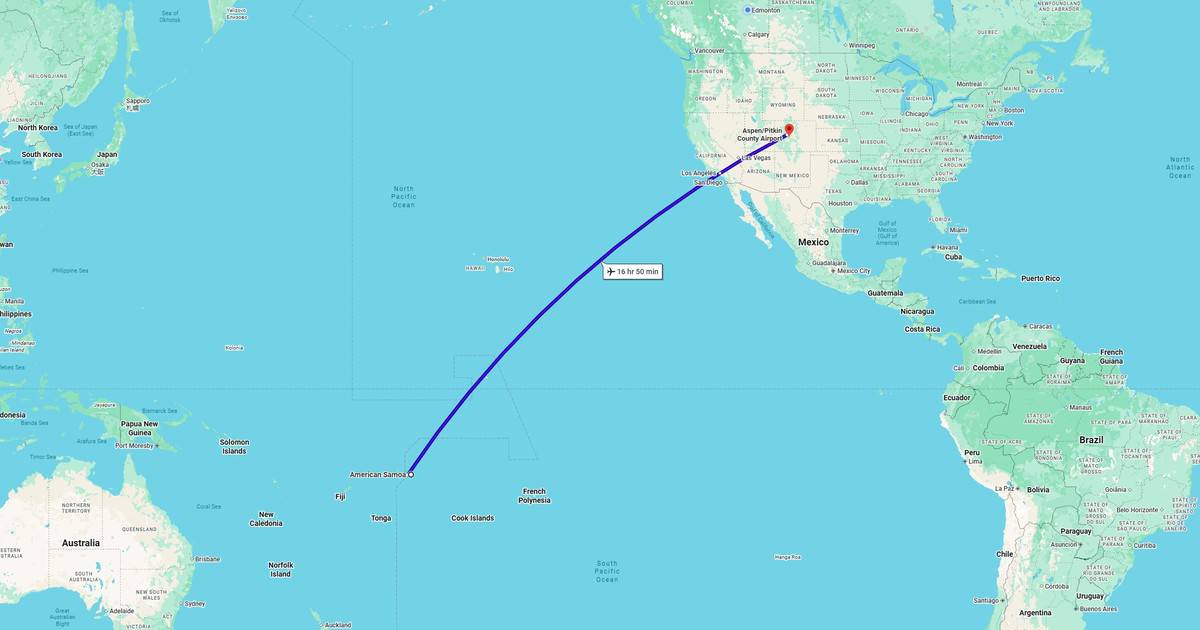
| Transportation and Installation | Logistics to American Samoa and on-site setup are key considerations. Explore buying vs. renting options. |
Key Considerations for Your American Samoa Project
When planning for modular structures in American Samoa, several key factors must be considered to ensure a successful and efficient implementation. Understanding local zoning laws and regulations is paramount, as these can affect the placement and type of structures permitted. Our team has experience navigating these requirements, ensuring compliance and smooth project progression.
The unique climate of American Samoa, with its tropical weather patterns, also necessitates careful material selection and design considerations to ensure durability and longevity. We specialize in providing solutions that are built to withstand these conditions. Furthermore, efficient logistical planning for delivery and installation is critical, and our expertise in island operations ensures timely project completion, as demonstrated in various case studies.
Clients should also think about the intended use of the structure – whether for temporary events, long-term hospitality, or business operations – as this will influence the design and features required. Engaging with experienced providers like EJH Distribution, who understand the nuances of working in the American Samoa area, is essential for achieving the best possible outcome. Review our guide on premium event structures for insights.
Next Steps
Embarking on a project involving modular structures in American Samoa is a straightforward process with EJH Distribution. Our aim is to make acquiring your ideal space as seamless as possible, from initial inquiry to final installation. We are here to guide you every step of the way, ensuring your needs for advanced building solutions are met efficiently. For specialized needs, consider how to choose custom event tents that offer both design and durability, such as those detailed in our glamping domes vs event tents comparison.
- Reach out to our team for a personalized consultation regarding your specific needs for Modular Structures American Samoa AS.
- Discuss your project vision and requirements in detail with our knowledgeable experts.
- Receive a comprehensive quote tailored precisely to your project specifications and budget.
- Schedule your site assessment and planning session to prepare for installation.
- Prepare for swift and efficient installation by our professional team.
- Enjoy your new, high-quality modular structure, ready for immediate use.
We are committed to providing exceptional service and high-quality structures that meet the unique demands of clients in American Samoa. Explore our wide range of modular products to find the perfect fit for your requirements.
Your Partner for Modular Solutions
Choosing EJH Distribution for your modular structures in American Samoa means partnering with a team dedicated to quality, efficiency, and customer satisfaction. We leverage our extensive experience to provide innovative and reliable building solutions that cater to the specific needs of the region. Our commitment is to deliver structures that not only meet but exceed expectations, enhancing your operations or events.
We understand the importance of speed, flexibility, and durability, especially in island environments. Our comprehensive range of products and services ensures that you have access to the best modular options available. From initial consultation to final installation, we are your trusted partner, offering expert guidance and support throughout the entire process. Discover how our solutions can benefit your next project by visiting our Case Studies or getting a quote, and learn more about dome vs tent design.