
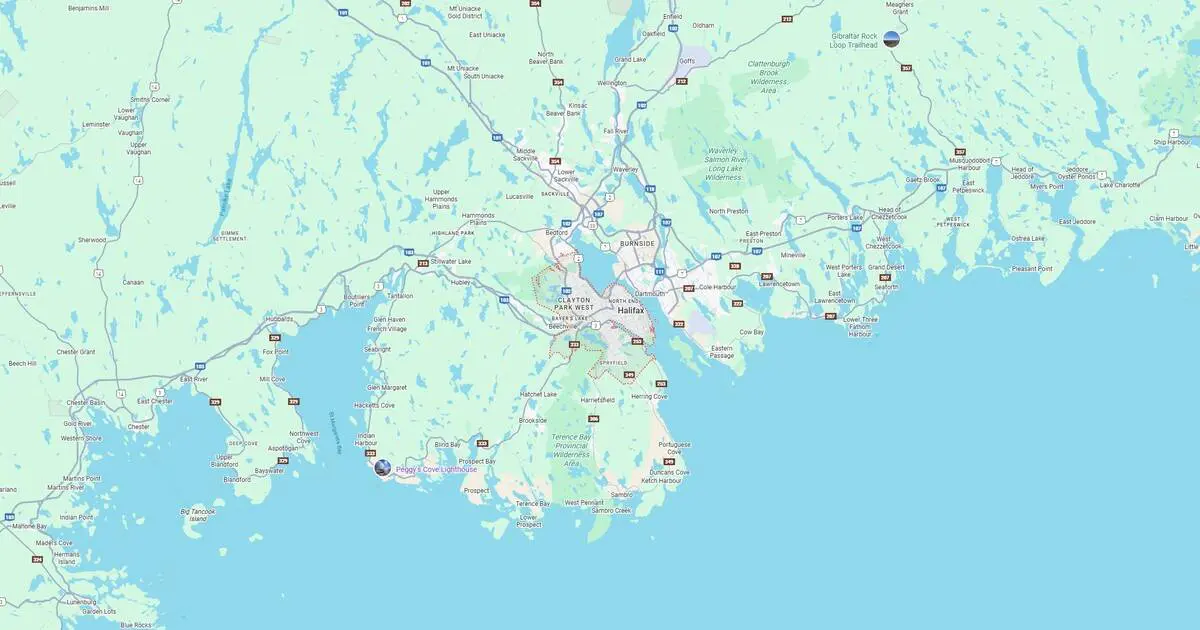
Halifax’s Harbour Winds Demand Storm-Rated Structures
Halifax runs its busiest event season into a wall of Atlantic wind exposure most tents were never built to handle. The harbour funnels gusts that exceed inland Canadian wind norms by a wide margin during fall and winter storm cycles. A structure rated for a sheltered prairie event site can fail outright on a Halifax waterfront install. That gap between generic tent ratings and Atlantic coastal conditions shapes nearly every structure decision in this market.
Why Halifax’s Event Season Compresses Into Three Months
Nova Scotia’s tourism calendar runs hard from June through September, then drops sharply as weather turns. Conference bookings increasingly stretch into the shoulder months to capture venue availability before winter storms arrive. That overlap means hospitality operators, festival organizers, and conference planners are often competing for the same install windows. Event structures built for compressed seasonal booking calendars become the only way to fit multiple bookings into a short window.
Conference and Festival Tents for Downtown Halifax
What happens when a harbour festival books a tent rated for inland wind loads instead of coastal gusts? The install either gets delayed for reinforcement or the structure underperforms once weather turns. Downtown Halifax’s festival and conference circuit needs conference tent structures built for downtown event circuits rated for harbour conditions from the start. Getting this wrong costs organizers a redesign mid-planning cycle, not just a weather delay.
Matching Strohboid Wind Ratings to Atlantic Storms
Strohboid tents are manufactured in Austria and rated to withstand winds up to 170 km/h and snow loads up to 200 kg per square meter. Atlantic Canada’s nor’easters regularly produce gusts that would compromise a standard event tent’s structural integrity. That rating gap is why coastal wind exposure should drive structure selection before square footage or layout does. A harbour-facing install needs that wind tolerance built in, not added after the fact.
What Happens When Tents Aren’t Rated for Coastal Gusts
An underrated tent on the Halifax waterfront risks a mid-event structural failure during a sudden gust event. The contrast is stark: a properly rated storm-rated event tents engineered for coastal wind exposure stays anchored through conditions that would collapse a standard canopy. Organizers who skip this step often discover the gap only after a storm warning is already posted. By then, reinforcement options are limited and costly.
Glamping Structures for Nova Scotia’s Coastal Tourism Push
Nova Scotia’s coastal tourism industry is expanding into semi-permanent lodging that lets operators extend a property’s season without building permanent rooms. Invicta Modular’s Looking Glass line, including the Safari Tent Mod and the Spa Mod, brings a bathroom, kitchenette, and king bed into a structure suited to coastal sites. modular glamping units built with full hospitality amenities let landowners near the coast compete with traditional inns. The category is built for exactly the kind of seasonal tourism push Halifax’s coastline is seeing.
Serviced Lodging in Dartmouth and Eastern Passage
Dartmouth and Eastern Passage sit across the harbour from downtown Halifax, both with growing short-term lodging demand. Operators here need structures that handle coastal humidity and wind without sacrificing the serviced-room feel guests expect. Hospitality structures suited to coastal lodging operators fill that gap where a hotel build is not financially justified. The Wave Mod in particular suits waterfront-adjacent sites where guests want a view without a permanent structure footprint.
Halifax’s Sports and Entertainment Venue Support
Halifax’s arena and stadium events create overflow demand for hospitality, vendor, and VIP structures around fixed venues. A sold-out hockey night or summer festival at a downtown venue often needs temporary structures beyond what the venue itself provides. Overflow event structures for venue and stadium crowds handle that surge without permanent construction. Venue support structures for sold-out event capacity round out what fixed seating cannot accommodate.
Brand Activation Builds on the Halifax Waterfront
Halifax’s waterfront draws cruise arrivals and festival crowds that brands want to reach with pop-up activations. A wind-exposed harbour site is a poor fit for a flimsy pop-up tent meant for an inland parking lot. brand activation structures designed for high-traffic waterfront sites need both visual impact and the wind tolerance the location demands. experiential structures built for waterfront brand campaigns solve both problems at once.
Permitting Temporary Structures Near Halifax’s Harbour
Harbour-adjacent sites in Halifax Regional Municipality often carry additional permitting layers tied to waterfront zoning and public access rules. A structure plan that skips this step early can stall an install timeline by weeks once a permit office flags it. Fire code and safety consultancy needs to run parallel with permitting, not after a structure is already on site. Builders who plan permitting alongside structure selection avoid the scramble that catches first-time waterfront clients off guard.
Financing Two-Season Builds for Atlantic Canada Operators
If your property runs events across both the summer tourism peak and the shoulder conference season, a one-off rental financing structure rarely makes sense. You need a financing approach built around two-season use rather than a single booking. financing options for multi-season structure deployments let operators spread cost across the periods they actually use a structure. Lesley Brown’s team structures these plans around how Atlantic Canada operators actually book their calendars.
Halifax Neighborhoods and Their Structure Demand
Structure demand varies by district across the Halifax Regional Municipality, shaped by proximity to the harbour and existing hospitality density. The table below breaks down demand type by area for buyers planning a multi-site or district-specific install.
| Area | Structure Demand Type |
|---|---|
| Halifax Waterfront / Downtown | Event tents and brand activation for festivals and harbour events |
| Dartmouth | Serviced lodging and hospitality structures across the harbour |
| Bedford | Corporate event and venue support structures |
| Clayton Park | Hospitality and short-term lodging structures |
| Eastern Passage | Coastal glamping and wind-exposed lodging structures |
| Sackville | Suburban event and sports/entertainment support |
| Cole Harbour | Residential-adjacent event and glamping interest |
Matching Structure Types to Halifax Use Cases
Different structure lines suit different Halifax conditions, from storm exposure on the waterfront to serviced lodging across the harbour. The table below maps EJH’s distributed product lines to the use case each fits best in this market.
| Structure Type | Halifax Use Case |
|---|---|
| Strohboid Tents | Storm-rated harbour festivals and outdoor conference events |
| Invicta Modular Looking Glass | Coastal glamping and serviced short-term lodging |
| Tubbo | Waterfront brand activation and pop-up campaigns |
| Creative Structures | Downtown conference and festival tenting |
| De Waard | Overflow structures for sports and entertainment venues |
Project Consulting for Halifax Installations
EJH’s project consulting covers sourcing, design, permitting, and fire code consultancy for every Halifax install. Project consulting for permitting and structural sourcing keeps a Halifax build on schedule from first design through final install. Background on EJH’s structure manufacturing experience covers the team’s broader track record.
Getting Started With EJH in Halifax
EJH has worked with brands including Coca-Cola, Monster Energy, and Mercedes-Benz on large-scale installations across North America. That scale of experience carries into every Halifax project, from a single waterfront tent to a multi-site lodging build. A Halifax-based operator can start with a sourcing and permitting consultation before committing to a structure type. Glamping structures for coastal hospitality operators and comparing glamping dome and canvas tent options are good starting points for lodging-focused buyers.