
Why Ontario’s Split Market Demands Two Structure Strategies
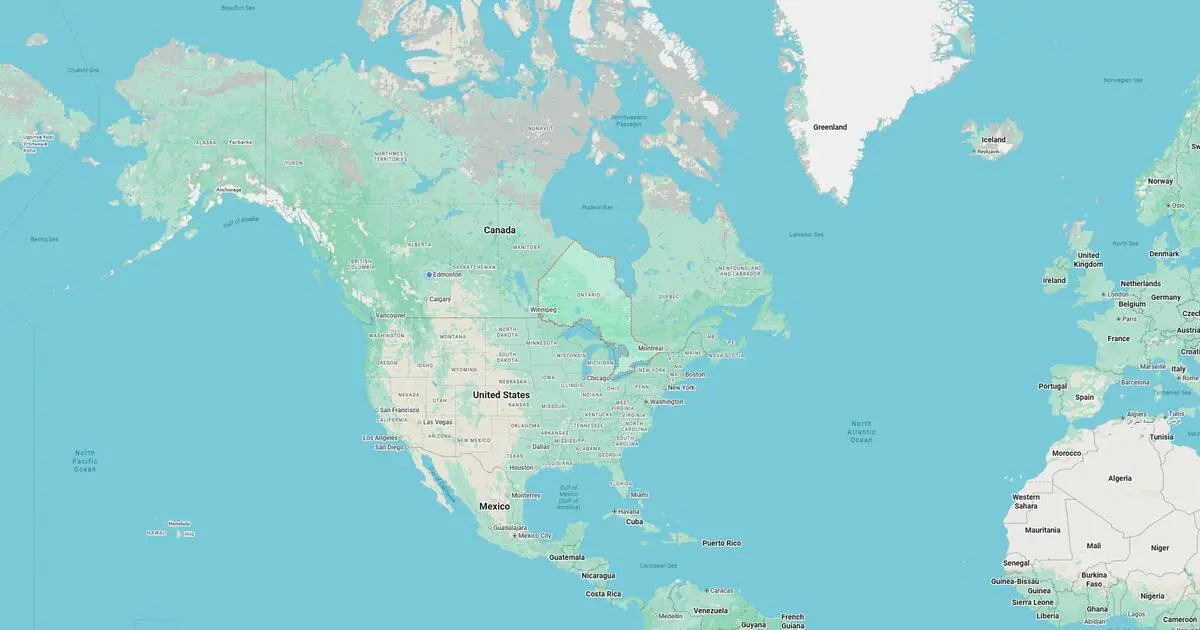
Ontario runs on two distinct structure economies that rarely overlap. Toronto and the GTA drive demand for short-term event tents and brand activation builds tied to a packed urban calendar. Muskoka, Niagara, and Prince Edward County drive a separate demand for semi-permanent modular lodging built for tourism seasons that stretch across months, not days. A buyer who treats these as the same problem usually ends up with the wrong structure rating, the wrong permitting timeline, or both.
Sourcing event structures for fast-turnaround urban activations
The GTA’s brand activation work tied to major sponsor campaigns moves on compressed timelines, often weeks rather than months. Sports venues, downtown plazas, and waterfront sites all carry different load, fire code, and crowd-density rules. A structure sourced without confirming local fire code first can stall a build days before an activation opens. EJH’s project consulting model exists specifically to catch that gap before it becomes a delay.
Permitting Brand Activations Near Downtown Toronto Venues
Downtown Toronto sites often require sign-off from multiple departments before a structure goes up. Venue-adjacent builds near stadiums or convention spaces face stricter fire lane and egress review than a suburban lot. Missing one approval can push an install date past the activation’s actual event date. Building in permitting time at the sourcing stage protects the schedule more than rushing the install itself.
Winter Snow Load and Wind Ratings for Ontario Builds
Southern Ontario winters regularly produce snow accumulation that exceeds what a standard event tent is rated to hold. Strohboid tents rated to 200 kg/m² of snow load are built for exactly this condition, not just summer pop-up use. A structure rated below that threshold risks roof failure mid-winter, which turns a planned event space into a liability overnight. Wind rating matters just as much, since Strohboid’s 170 km/h rating covers the gusts common along the Great Lakes shoreline.
Glamping Demand in Muskoka and Prince Edward County
Cottage-country tourism in Muskoka runs on multi-month bookings rather than single weekend events, which changes what a structure needs to deliver. Invicta Modular’s Looking Glass line, including a bathroom, kitchenette, and king bed, fits that lodging-grade demand better than a canvas tent ever could. Prince Edward County’s boutique tourism market follows a similar pattern, favoring fewer, higher-end units over volume. Operators here are buying a season-long guest experience, not a one-off structure rental.
Event Tents vs. Modular Lodging in the Niagara Region
Niagara’s wedding and tourism economy needs both ends of EJH’s catalogue at once. A vineyard wedding might need a Tubbo structure built for a single-day event setup, while a nearby resort needs lodging-grade modular units that stay in place all season. Choosing an event tent for what’s really a multi-month lodging need leads to weather wear and guest complaints by midsummer. The reverse mistake, overbuilding a one-day wedding with permanent-grade modular units, wastes budget the client didn’t need to spend.
Ontario Communities EJH Serves
EJH prioritizes Ontario’s major tourism and event markets over rural or isolated areas, concentrating where structure demand is highest. The table below maps the regions EJH serves most actively to their dominant structure need. This isn’t an exhaustive list of every Ontario municipality, but it covers the markets driving most current project volume. Each region’s demand type shapes which product line gets recommended first.
| Area | Structure Demand Type |
|---|---|
| Toronto/GTA | Brand activation and large-scale event tents |
| Ottawa | Government and conference-related modular structures |
| Niagara Region | Wedding, hospitality, and tourism glamping |
| Muskoka | Cottage-country glamping and lodging |
| Hamilton | Sports/entertainment venue support |
| Prince Edward County | Boutique glamping and hospitality lodging |
| Kitchener-Waterloo | Corporate and tech-sector event structures |
| Northern Ontario | Seasonal and remote logistics support |
Conference and Government Event Structures in Ottawa
What happens when a federal conference calendar and a downtown hotel shortage collide in the same week? Ottawa’s government and association sector runs a dense conference schedule that regularly outpaces hotel and venue capacity downtown. Modular structures and event tents fill that gap for overflow meeting space, hospitality suites, or temporary registration areas. Government-adjacent work also means EJH’s cross-industry project experience matters more than it would for a typical private event.
Timelines for Federal and Municipal Site Permitting
Sites near federal or municipal buildings in Ottawa often carry longer review windows than private land. EJH’s permitting and fire code consultancy is built to flag these timelines before a client commits to an event date. A structure ordered without confirming this lead time risks arriving after the approval window closes. Building the permitting step into the project schedule from day one avoids that outcome entirely.
Sports and Entertainment Venue Support in Hamilton
Hamilton’s sports and entertainment calendar creates regular overflow demand around stadium and arena dates. Venues often lack enough indoor hospitality space for sponsor suites, media areas, or VIP zones during high-attendance events. A temporary structure placed adjacent to the venue solves that without requiring permanent construction. This kind of venue support work tends to repeat on a fixed seasonal schedule once a structure type proves out.
Matching Structure Type to Ontario’s Seasonal Calendar
Different Ontario regions and seasons call for different products from EJH’s catalogue. The table below maps structure type to the specific Ontario condition it’s built to handle. Matching the right product to the right season and region avoids the cost of an oversized or underrated structure. This pairing reflects actual climate and demand patterns across the province, not generic product categories.
| Structure Type | Ontario-Specific Use Case |
|---|---|
| Strohboid tents | Winter-rated event builds in snow-load regions |
| Invicta Modular Looking Glass | Multi-month lodging in Muskoka and Niagara |
| Tubbo | Short-turnaround urban pop-up activations |
| Magic Sky | Premium event space for hospitality and weddings |
Financing Multi-Season Builds Across Ontario
If your project runs across two tourism seasons rather than a single event, you need a different financial structure than a one-off rental. EJH’s financing options are built around exactly that distinction, separating short-term event costs from longer lodging commitments. Lesley Brown, EJH’s Financial Officer, structures these arrangements around how long a client actually needs the structure in place. Treating a multi-season build like a single event purchase usually overstates the upfront cost unnecessarily.
Project Consulting for Ontario Permitting and Fire Code
Every Ontario region carries its own mix of municipal permitting and fire code requirements. EJH’s project consulting covers sourcing, design, permitting, and fire code review before a structure ever ships. Skipping this step is the most common reason an otherwise well-chosen structure arrives behind schedule.
Corporate and Tech-Sector Events in Kitchener-Waterloo
Kitchener-Waterloo’s tech and corporate sector runs a steady calendar of product launches, conferences, and recruiting events distinct from Toronto’s consumer-facing activations. These events tend to prioritize branded, polished structures over purely functional tents. EJH has worked with brands including Mercedes-Benz and Nintendo on large-scale installations across North America, proof of capability at this level. That experience translates directly to corporate clients in the KW corridor looking for a similarly polished result.
Getting Started on an Ontario Installation
Ontario’s split between urban event demand and cottage-country lodging demand means no two projects look quite the same. EJH’s project consulting process starts with identifying which side of that split your project falls on. From there, sourcing, permitting, and financing follow a path built for the specific region and season involved. A conversation with the EJH team is the fastest way to confirm which structure type actually fits.