
Edmonton’s Festival Season Meets a Brutal Shoulder Climate
Edmonton compresses nearly its entire festival calendar into a five-month window before winter returns. K-Days, the Edmonton Folk Music Festival, and North America’s largest fringe festival event structures built for compressed install schedules all land between May and September. That short window collides with shoulder seasons that can swing from heat to snow within days. Operators here need structures engineered for both extremes, not just summer canopies.
Why Snow Load and Wind Rating Decide Your Edmonton Build
Edmonton’s winter wind events regularly exceed what a standard event tent can handle without reinforcement. Strohboid tents rated for 170 km/h wind and heavy snow accumulation are built specifically for this kind of volatility. A 200 kg/m² snow load rating matters more in Edmonton than in milder Canadian markets. Skipping that spec is the single most common reason shoulder-season installs fail here.
What Happens When the Wrong Tent Meets an October Storm
An uninsulated, unrated frame tent can buckle under an early snow event that arrives weeks ahead of forecast. That failure does not just damage equipment, it shuts down an event mid-run and forces an emergency teardown. A wind- and snow-rated structure instead holds through the storm and keeps the event open. The difference between those two outcomes is almost always decided before the contract is signed, not during the storm.
Staffing Edmonton’s Fringe and Folk Fest Install Windows
What happens when three major festivals need install crews within weeks of each other? Edmonton’s compressed calendar forces operators to plan rapid-deploy logistics months in advance. Event structures built for fast festival-season turnarounds reduce the install risk that comes with tight scheduling windows. Crews experienced in large-format tenting, not general contractors, are what keep these turnarounds realistic.
Ice District Overflow Hospitality Around Rogers Place
What happens when a fixed-capacity arena district sells out night after night? Ice District’s hospitality footprint cannot expand with demand, so overflow capacity has to come from temporary structures instead. Venue support structures for fixed-capacity arena districts let operators add hospitality space without permanent construction. Sports and entertainment activation builds around game-day traffic follow the same overflow logic during playoff runs and concert series.
Energy Sector Corporate Hospitality in Sherwood Park and Fort Saskatchewan
Edmonton’s energy sector drives a steady corporate conference and client-hospitality calendar distinct from tourism-driven demand. These clients need branded, weather-rated structures, not the canvas tenting typical of festival use. Tubbo structures suited to corporate hospitality pods and branded events fit this niche well. Hospitality structures built for client entertaining and corporate events round out the offering for energy-sector buyers near Sherwood Park.
Glamping Demand Along the Jasper Staging Corridor
Edmonton increasingly functions as a staging point for travelers heading into Jasper and Alberta’s mountain tourism corridor. That positioning is creating new demand for semi-permanent lodging close to the city rather than only in the mountains themselves. Invicta Modular lodging units built for hospitality and glamping operators include bathroom and kitchenette configurations suited to this market. Glamping structures designed for short-term lodging operators and lodging structures for seasonal hospitality expansion both serve this corridor.
Edmonton Neighborhoods and Surrounding Communities We Serve
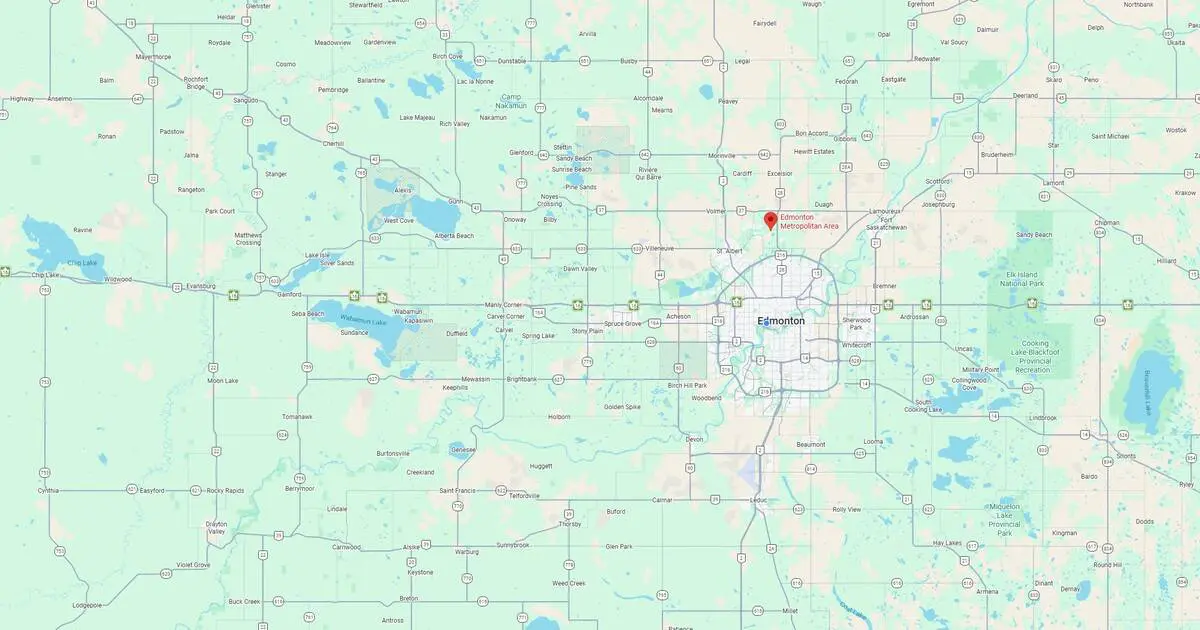
EJH works across Edmonton’s core and the surrounding communities that drive most of the region’s structure demand. Each area carries a different demand profile, from arena overflow downtown to industrial event support near Fort Saskatchewan. The table below breaks down structure demand type by area. This list reflects where EJH most regularly fields project inquiries across the region.
| Area | Structure Demand Type |
|---|---|
| Downtown / Ice District | Sports and entertainment overflow hospitality |
| West Edmonton | Brand activation and retail-driven events |
| Old Strathcona / Whyte Ave | Festival and fringe-corridor tenting |
| Fort Saskatchewan | Industrial and corporate event support |
| Sherwood Park | Energy-sector corporate hospitality |
| St. Albert | Community festival and venue support |
| Leduc / Nisku | Trade event and airport-corridor logistics |
| Spruce Grove | Suburban lodging and event overflow |
Matching Structure Types to Edmonton’s Use Cases
Choosing the right structure type in Edmonton depends on season, district, and client type more than on tent size alone. The table below maps EJH’s product lines to the conditions described above. Buyers planning a fall or spring install should weigh wind and snow rating most heavily. Summer festival installs should prioritize rapid deploy capability instead.
| Structure Type | Edmonton Use Case |
|---|---|
| Strohboid | Wind- and snow-rated festival tenting for Fringe and Folk Fest |
| Invicta Modular | Glamping and lodging units along the Jasper staging corridor |
| Magic Sky | Brand activation domes for West Edmonton Mall traffic |
| Tubbo | Corporate hospitality pods for energy-sector clients |
| De Waard | Insulated structures for shoulder-season installs |
Financing a Two-Season Build in the Capital Region
If your Edmonton project spans festival season into the early shoulder season, you need a financing structure built for that timeline. A single-event rental agreement does not account for the extended hold period a two-season build requires. Financing options structured for multi-season structure rentals address that gap directly. Lesley Brown’s finance team structures these terms around Edmonton’s specific install calendar rather than a generic rental period.
Permitting Temporary Structures Near Edmonton Event Districts
Permitting timelines near Ice District and downtown event venues move differently than permitting in suburban communities like Sherwood Park. A structure rated correctly for fire code and snow load clears review faster than one needing modification. Project consulting covering permitting and fire code requirements helps buyers avoid delays tied to district-specific review. Missing this step is a common reason installs slip past a festival’s opening date.
Brand Activation Builds for West Edmonton Mall Traffic
West Edmonton Mall draws retail and entertainment traffic that brand activation clients want to capture directly. A generic pop-up tent does not hold up to the foot traffic volume this district generates. Magic Sky domes built for high-traffic brand activation sites are built for sustained public exposure. Experiential brand activation structures for high-visibility retail districts support campaigns timed to mall foot traffic.
EJH’s Project Consulting for Edmonton Installs
Project consulting covers sourcing, design, permitting, and fire code review before a structure ever ships. EJH’s background as a Fort Saskatchewan-based structure distributor reflects over a century of combined team experience in manufacturing and installation. That experience shapes how projects get sequenced across Edmonton’s tight seasonal calendar.
Getting Your Edmonton Structure Project Started
Edmonton’s combination of compressed festival timing and severe shoulder-season weather makes structure selection a planning decision, not an afterthought. The right wind and snow rating, financing term, and permitting path all depend on which district and season a project falls into. EJH’s team can walk through those specifics for a given Edmonton project. Reach out to start that conversation before the next install window closes.